A Natural Solution for California's Herds: African Catfish Peptides

California's cattle producers and agricultural communities are all too familiar with the rising challenge of antibiotic resistance, making common bacterial infections harder to treat in livestock. But imagine a future where we could tackle these infections with a natural, powerful alternative. Our research points to just that: antimicrobial peptides (AMPs) found in African catfish.

We're really excited about these peptides because African catfish thrive in pathogen-rich freshwater, naturally producing these robust immune compounds in their skin mucus as a defense. This natural origin makes them highly appealing alternatives to synthetic drugs.

Predicted Safety and Potent Action

One of the most compelling aspects of these AMPs is their predicted safety for mammals. Our initial computer analyses suggest that various catfish AMPs are generally recognized as safe (GRAS). We predict they'll be absorbed in the human intestine without causing liver, brain, or heart toxicity. Furthermore, lab tests on a promising peptide, NACAP-II, confirmed it was non-hemolytic, meaning it didn't damage rabbit red blood cells—a strong indicator of its potential safety for mammalian cells.

Beyond safety, these peptides demonstrate effectiveness against problematic bacteria. One study revealed NACAP-II's strong activity against Extended-Spectrum Beta-Lactamase (ESBL)-producing Escherichia coli—a critical concern for both animal and human health due to its resistance to many common antibiotics. Another peptide, ACAP-IV, also showed antibacterial activity against E. coli and Staphylococcus aureus. We believe these AMPs work by directly disrupting bacterial cell membranes, a mechanism that makes it harder for bacteria to develop resistance compared to how they resist traditional antibiotics.
Primary Image
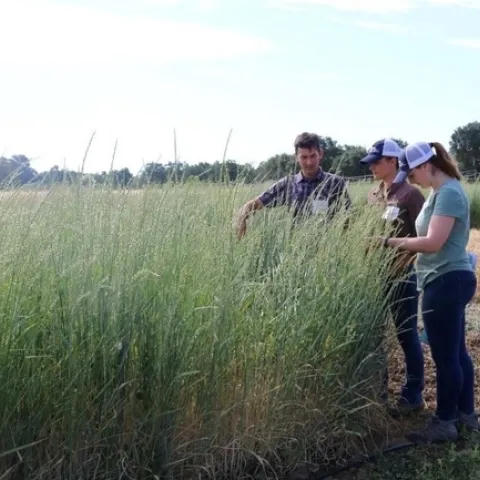
De izquierda a derecha aparecen los investigadores Mark Lundy, Kalyn Taylor y Taylor Becker (en ese momento todos eran parte del Departamento de Ciencias de las Platas de UC Davis), mientras observan las parcelas sembradas con pasto de trigo. La fotografía fue tomada en el 2019 por el Departamento de Ciencias de las Plantas de UC Davis
Blog de Alimentos: Article

La tierra se beneficia mejor del cultivo de trigo anual sin labranza

January 3, 2024
By Diana Cervantes
Una razn ms para adoptar cultivos sustentables Los productores de trigo de California podran mantener el nivel de sus producciones y mejorar la salud de la tierra al mismo tiempo, si cultivan el trigo de temporada anual que no les requiere labrar la tierra ao con ao.
View Article
UC Master Gardener Program of Contra Costa County: Article

Winter Blooms for Garden Pollinators

January 3, 2024
by Laurinda Ochoa During our cold and wet winter season, many native birds and pollinators rely on plants to provide both food and shelter. Some easy-to-grow winter-blooming native plants that provide pollen, nectar, and shelter are Manzanita, Ceanothus, Toyon, and Silktassel.
View Article
UC Master Gardener Program of Contra Costa County: Article

Gardening Under Oaks

January 3, 2024
by David George Do you have one or more native oak trees in your yard or would like to plant one? Our local oaks are magnificent and important trees to the Contra Costa ecosystem. They deserve to be treated with respect and care.
View Article
UC Master Gardener Program of Contra Costa County: Article

Citrus in the Winter

January 3, 2024
by Robyn Barker Once the railroads connected the frozen northern plains of the United States to the southern states in the mid-1800s, oranges became a special treat for snowbound prairie dwellers.
View Article
UC Master Gardener Program of Contra Costa County: Article

What is Helpful for a Gardener to Know About Light?

January 3, 2024
by Monika Witte What impact does the solar radiation that lands on the earths surface have on plants? First, we all know that plants produce their own food using photosynthesis.
View Article
UC Master Gardener Program of Contra Costa County: Article

Small Indoor Winter Pleasures

January 3, 2024
by Cynthia Engers We all enjoy herbs added to our foods, and if theyre not available in your winter garden, consider getting a head start on spring by growing them indoors on a windowsill.
View Article
UC Master Gardener Program of Contra Costa County: Article

Small Spaces: Community Gardens

January 3, 2024
by David George The Small Spaces Gardening column aims to provide tips and techniques for successfully growing flowers, fruits, and vegetables in a limited amount of space.
View Article
UCCE Siskiyou: Article

January 2024

January 3, 2024
UPCOMING EVENTS HAPPY NEW YEAR! 2024 Mid Year Treasurer Review Leaders Council Meeting Shooting Sports National Quiz Bowl Livestock Judging Competitions County Presentation Day Fashion Review Categories...
View Article