A Natural Solution for California's Herds: African Catfish Peptides

California's cattle producers and agricultural communities are all too familiar with the rising challenge of antibiotic resistance, making common bacterial infections harder to treat in livestock. But imagine a future where we could tackle these infections with a natural, powerful alternative. Our research points to just that: antimicrobial peptides (AMPs) found in African catfish.

We're really excited about these peptides because African catfish thrive in pathogen-rich freshwater, naturally producing these robust immune compounds in their skin mucus as a defense. This natural origin makes them highly appealing alternatives to synthetic drugs.

Predicted Safety and Potent Action

One of the most compelling aspects of these AMPs is their predicted safety for mammals. Our initial computer analyses suggest that various catfish AMPs are generally recognized as safe (GRAS). We predict they'll be absorbed in the human intestine without causing liver, brain, or heart toxicity. Furthermore, lab tests on a promising peptide, NACAP-II, confirmed it was non-hemolytic, meaning it didn't damage rabbit red blood cells—a strong indicator of its potential safety for mammalian cells.

Beyond safety, these peptides demonstrate effectiveness against problematic bacteria. One study revealed NACAP-II's strong activity against Extended-Spectrum Beta-Lactamase (ESBL)-producing Escherichia coli—a critical concern for both animal and human health due to its resistance to many common antibiotics. Another peptide, ACAP-IV, also showed antibacterial activity against E. coli and Staphylococcus aureus. We believe these AMPs work by directly disrupting bacterial cell membranes, a mechanism that makes it harder for bacteria to develop resistance compared to how they resist traditional antibiotics.

ANR Contracts & Grants Updates: Article

AFRI - Foundational and Applied Science Program

January 3, 2024
By Kendra T Rose
Dear Colleagues, USDA NIFA is soliciting proposals for the Agriculture and Food Research Initiative (AFRI) Competitive Grants Program - Foundational and Applied Science Program.
View Article
Strawberries and Caneberries: Article

2024 Annual Strawberry Production Research Meeting - February 14

January 3, 2024
By Mark P Bolda
The 2024 UCCE Annual Strawberry Production Meeting will take place on ZOOM this coming February 14. Registration link is here: https://na.eventscloud.com/782075 A very good line up of speakers this time with lots of new material to partake and ponder! Agenda linked below.
View Article
Primary Image
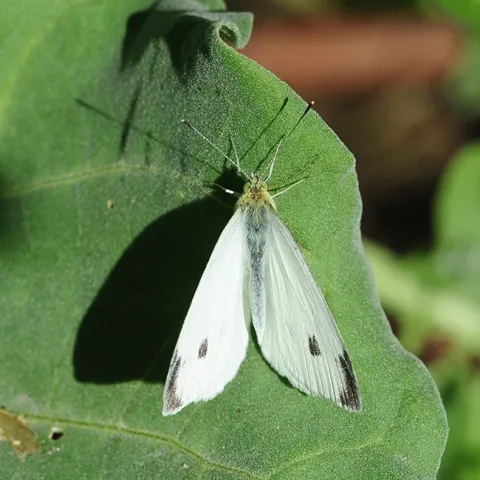
The search is on to collect the first cabbage white butterfly of the year in the three-county area of Yolo, Sacramento and Solano. (Photo by Kathy Keatley Garvey)

Two Insect Contests: One Winner, One to Go

January 2, 2024
By Kathy Keatley Garvey
One down, one to go! We have a winner in the 4th annual Robbin Thorp Memorial First-Bumble-Bee-of-the-Year Contest, sponsored by the Bohart Museum of Entomology. Details are being gathered, with the winner to be announced soon.
View Article
Primary Image
Cartoon from the William Ja lab. He will speak on "Eat, Exrete and Die: Regulation of Homeostatic Behaviors and Aging in Drosophila" on Jan. 22.
Entomology & Nematology News: Article

Department's Winter Quarter Seminars Announced

January 2, 2024
By Kathy Keatley Garvey
Seminar coordinator and associate professor Brian Johnson has announced the list of UC Davis Department of Entomology and Nematology seminars for the winter quarter, from Jan. 8 through March 11. All seminars will be on Mondays at 4:10 p.m. in Room 122 of Briggs Hall and also will be on Zoom.
View Article
Primary Image
(Photo: PxHere)
Fresno Gardening Green: Article

Winter in the Central Valley garden

January 2, 2024
A few observations on a rainy day when there's time to check on the winter garden. Many varieties of citrus and other fruit trees have set a bumper crop of small fruit this season.
View Article