A Natural Solution for California's Herds: African Catfish Peptides

California's cattle producers and agricultural communities are all too familiar with the rising challenge of antibiotic resistance, making common bacterial infections harder to treat in livestock. But imagine a future where we could tackle these infections with a natural, powerful alternative. Our research points to just that: antimicrobial peptides (AMPs) found in African catfish.

We're really excited about these peptides because African catfish thrive in pathogen-rich freshwater, naturally producing these robust immune compounds in their skin mucus as a defense. This natural origin makes them highly appealing alternatives to synthetic drugs.

Predicted Safety and Potent Action

One of the most compelling aspects of these AMPs is their predicted safety for mammals. Our initial computer analyses suggest that various catfish AMPs are generally recognized as safe (GRAS). We predict they'll be absorbed in the human intestine without causing liver, brain, or heart toxicity. Furthermore, lab tests on a promising peptide, NACAP-II, confirmed it was non-hemolytic, meaning it didn't damage rabbit red blood cells—a strong indicator of its potential safety for mammalian cells.

Beyond safety, these peptides demonstrate effectiveness against problematic bacteria. One study revealed NACAP-II's strong activity against Extended-Spectrum Beta-Lactamase (ESBL)-producing Escherichia coli—a critical concern for both animal and human health due to its resistance to many common antibiotics. Another peptide, ACAP-IV, also showed antibacterial activity against E. coli and Staphylococcus aureus. We believe these AMPs work by directly disrupting bacterial cell membranes, a mechanism that makes it harder for bacteria to develop resistance compared to how they resist traditional antibiotics.
Primary Image
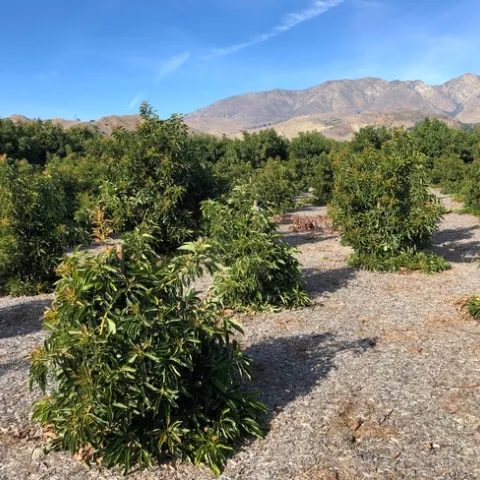
avocado different groth rates
Topics in Subtropics: Article

Move Fast and Break Things

January 2, 2024
By Ben A Faber
And live to regret it when it comes to planting a tree. Bring out that power auger and dig a hole and slam that tree in the ground and move on to the next planting hole. If it's rocky soil, with good drainage, the trees may look like this two years later. Alive, but some are much bigger than others.
View Article
Primary Image
UC Davis distinguished professor emeritus Art Shapiro (right) of the Department of Evolution and Ecology and Louie Yang, professor, Department of Entomology and Nematology at the Bohart Museum of Entomology's recent open house on monarchs. (PHoto by Kathy Keatley Garvey)

Turning Over an Old Leaf

January 1, 2024
By Kathy Keatley Garvey
It's New Year's Day and it's common for folks to turn over a new leaf. What about the old leaves? Sometimes if you turn over an old leaf this time of year in Solano and Yolo counties, you might find a monarch caterpillar.
View Article
Primary Image
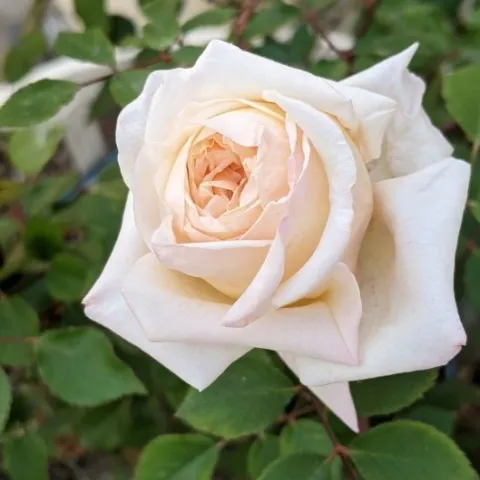
Mlle. Franzika Kruger aka Frannie Kruger. (Photo: Debbie DiNoto)
Fresno Gardening Green: Article

Rosie's corner: What to do in the rose garden in January

January 1, 2024
Happy New Year! I hope you and yours are ready for a wonderful 2024. So, what do we do in the rose garden this month? Actually, not too much in the actual garden itself. It is time to get ready for our annual pruning, either very late January or the beginning to the middle of February.
View Article
Primary Image
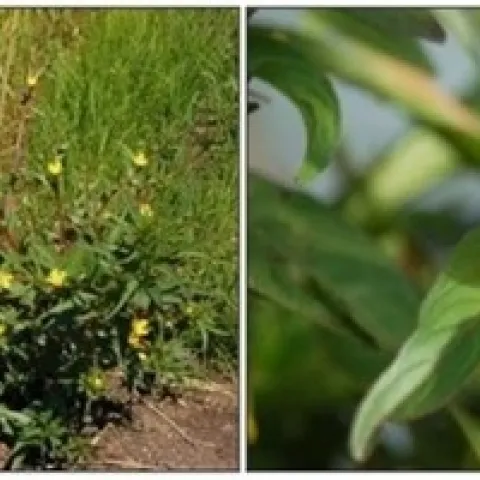
Photo 2. Winged primrose willow (Photo credit: Luis Espino, UCCE)
UC Weed Science (weed control, management, ecology, and minutia): Article

Weeds of Interest: 2023 Edition

December 31, 2023
By Consuelo B Baez Vega, Whitney B Brim-Deforest, Taiyu Guan
From Butte County Agricultural Commissioner's office: A weed sample collected in Butte County on September 19, 2023, was submitted to the California Department of Food and Agriculture (CDFA) botany lab for identification. The sample was identified as White Water Fire (Bergia capensis).
View Article