A Natural Solution for California's Herds: African Catfish Peptides

California's cattle producers and agricultural communities are all too familiar with the rising challenge of antibiotic resistance, making common bacterial infections harder to treat in livestock. But imagine a future where we could tackle these infections with a natural, powerful alternative. Our research points to just that: antimicrobial peptides (AMPs) found in African catfish.

We're really excited about these peptides because African catfish thrive in pathogen-rich freshwater, naturally producing these robust immune compounds in their skin mucus as a defense. This natural origin makes them highly appealing alternatives to synthetic drugs.

Predicted Safety and Potent Action

One of the most compelling aspects of these AMPs is their predicted safety for mammals. Our initial computer analyses suggest that various catfish AMPs are generally recognized as safe (GRAS). We predict they'll be absorbed in the human intestine without causing liver, brain, or heart toxicity. Furthermore, lab tests on a promising peptide, NACAP-II, confirmed it was non-hemolytic, meaning it didn't damage rabbit red blood cells—a strong indicator of its potential safety for mammalian cells.

Beyond safety, these peptides demonstrate effectiveness against problematic bacteria. One study revealed NACAP-II's strong activity against Extended-Spectrum Beta-Lactamase (ESBL)-producing Escherichia coli—a critical concern for both animal and human health due to its resistance to many common antibiotics. Another peptide, ACAP-IV, also showed antibacterial activity against E. coli and Staphylococcus aureus. We believe these AMPs work by directly disrupting bacterial cell membranes, a mechanism that makes it harder for bacteria to develop resistance compared to how they resist traditional antibiotics.


View of San Luis Obispo From Terrace Hill by Henry Main
Site - County Office

UCCE in the County of San Luis Obispo

The University of California Cooperative Extension (UCCE) is your local link to research, information, and expertise for the University of California. Instead of teaching students in classrooms, UCCE advisors, academics, educators and staff work directly with people in San Luis Obispo County.
View Site
Site

Nevada County 4-H Program

4-H is an organization for youth ages 5-18 that promotes hands-on, experiential learning. 4-H welcomes youth members and adult volunteers from all backgrounds and all locations.
View Site
Site

California 4-H Association

The California 4-H Association is a nationally recognized network of youth development professionals committed to advancing the professional status of the 4-H staff and academics through professional improvement.
View Site
farmers-market
Site - Statewide Program

UC Small Farms Network

University of California Cooperative Extension (UCCE) Small Farms Advisors and program staff serve as an information hub connecting small-scale farms to research and education resources of the University of California.
View Site
Map
Site

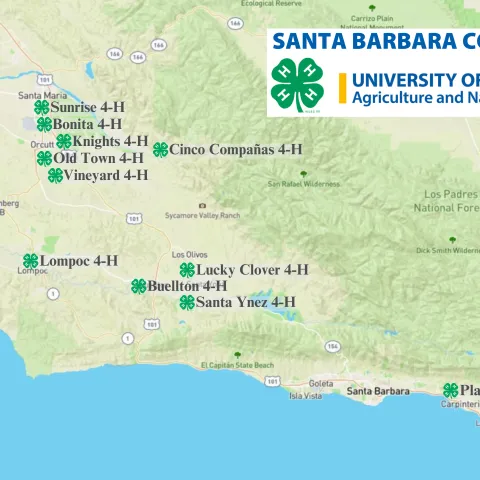
4-H in Santa Barbara County

The University of California 4-H Youth Development Program promotes hands-on, experiential learning for all youth ages 5-19. Youth members and adult volunteers from all backgrounds and locations are welcome.
View Site
butterfly
Site

UC Master Gardeners of Ventura County

Welcome to the UC Master Gardeners of Ventura CountyThe Master Gardener Program is a national program chartered through the United States Department of Agriculture, sponsored locally by the University of California Cooperative Extension (UCCE) of Ventura County, and the University of California Hansen Trust…
View Site
Site - County Office

UCCE in Santa Barbara County

The University of California Cooperative Extension (UCCE) is the local link to research, information, and expertise for the University of California.
View Site
For Employees: Page

Help and Resources

Not sure where to start? This page points you to the most commonly needed resources at UC ANR—from IT support and payroll to HR, communications, and media inquiries.  Common Requests    IT Help Desk Email help@ucanr.edu for general IT-related questions.  Media Contacts Find contact…
View Page
Primary Image
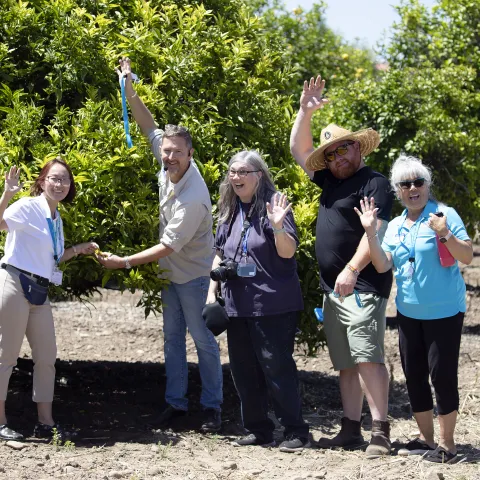
Master Gardeners waving at camera in orchard
For Employees: Page

New to ANR?

 UC Agriculture and Natural Resources (UC ANR) is a division of the University of California, reporting to the UC Office of the President. Unlike UC's 10 campuses, UC ANR has no students of its own. Instead, our work extends the university's research and expertise into every corner of California—serving…
View Page
Primary Image
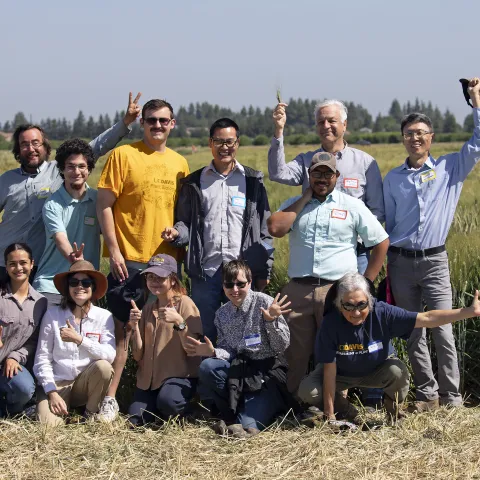
people smiling and waving at camera in a field
For Employees: Page

Our Community

WelcomeUC ANR is more than a workplace—it's a community of people committed to improving lives across California. Here you'll find resources, groups, and programs that support connection, belonging, and professional growth.  Our CultureWe have many opportunities for staff to have their voices heard and…
View Page
ANR Publishing: Article

Open Access Policy

May 20, 2026
By Rachel E Lee
Open Access PolicyUC ANR Publications is committed to making the research and expertise of the University of California available to the people it serves. In support of this mission, UC ANR Publications operates an Open Access publishing model for eligible titles.Copyright Copyright in all UC ANR…
View Article
Event Primary Image
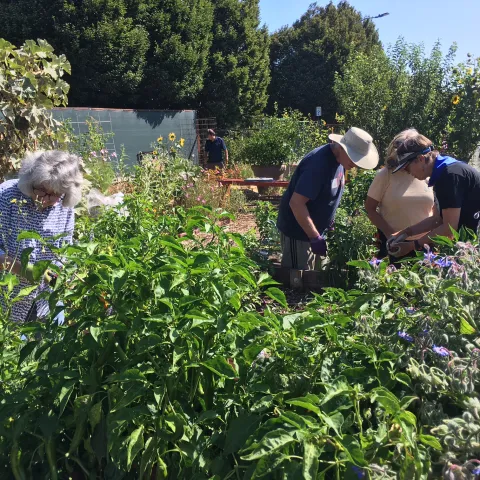
Volunteers working in the garden
UC Master Gardeners of San Mateo & San Francisco Counties: Event

Visit the UC Master Gardener Gardening Education Center

Event Date
Sep 2, 2026

The Gardening Education Center (GEC) is a dynamic, experimental garden where UC Master Gardeners employ environmentally sound, water-wise methods to propagate and grow a wide variety of fruits, vegetables, herbs, pollinator plants and cover crops throughout the year. The GEC features a range of growing…
UC Master Gardeners of San Mateo & San Francisco Counties
View Event
Master Food Preserver Program of San Diego County: Page

Bread and Butter Pickled Jicama

Enjoy right out of the jar! Use on desserts such as pound cake or cheesecakes. The syrup is wonderful for drizzles too. Savory ideas – Use them in salads (use the syrup in your dressing), serve with ham or a glaze for chicken wings. Yield: ~ 6, pint jars Prep: 45 Minutes Processing: 15 MinutesIngredients: •…
View Page
Primary Image
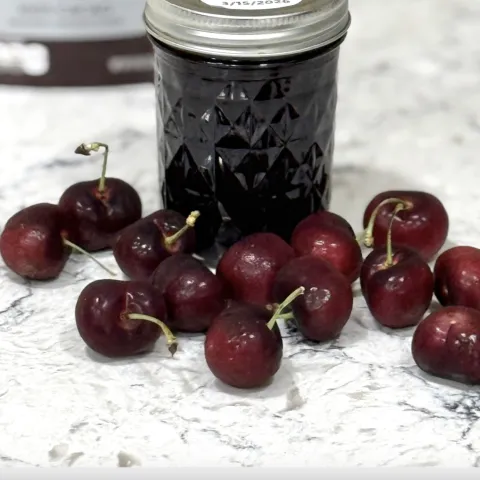
scattered cherries in front of a glass jar of cherry jam
Master Food Preserver Program of San Diego County: Page

Cherry Chutney

An ideal partner for pork or turkey and makes a fabulous finish for a cheese tray. Yield: ~ 6, half pint jars Prep: 45 Minutes Processing: 10 MinutesIngredients: • 4 whole allspice • 1 cup white vinegar (5%) • 1 cinnamon stick (~6 inches long, broken) • 2 cloves garlic, finely chopped • 10 cups sweet…
View Page