A Natural Solution for California's Herds: African Catfish Peptides

California's cattle producers and agricultural communities are all too familiar with the rising challenge of antibiotic resistance, making common bacterial infections harder to treat in livestock. But imagine a future where we could tackle these infections with a natural, powerful alternative. Our research points to just that: antimicrobial peptides (AMPs) found in African catfish.

We're really excited about these peptides because African catfish thrive in pathogen-rich freshwater, naturally producing these robust immune compounds in their skin mucus as a defense. This natural origin makes them highly appealing alternatives to synthetic drugs.

Predicted Safety and Potent Action

One of the most compelling aspects of these AMPs is their predicted safety for mammals. Our initial computer analyses suggest that various catfish AMPs are generally recognized as safe (GRAS). We predict they'll be absorbed in the human intestine without causing liver, brain, or heart toxicity. Furthermore, lab tests on a promising peptide, NACAP-II, confirmed it was non-hemolytic, meaning it didn't damage rabbit red blood cells—a strong indicator of its potential safety for mammalian cells.

Beyond safety, these peptides demonstrate effectiveness against problematic bacteria. One study revealed NACAP-II's strong activity against Extended-Spectrum Beta-Lactamase (ESBL)-producing Escherichia coli—a critical concern for both animal and human health due to its resistance to many common antibiotics. Another peptide, ACAP-IV, also showed antibacterial activity against E. coli and Staphylococcus aureus. We believe these AMPs work by directly disrupting bacterial cell membranes, a mechanism that makes it harder for bacteria to develop resistance compared to how they resist traditional antibiotics.
Primary Image
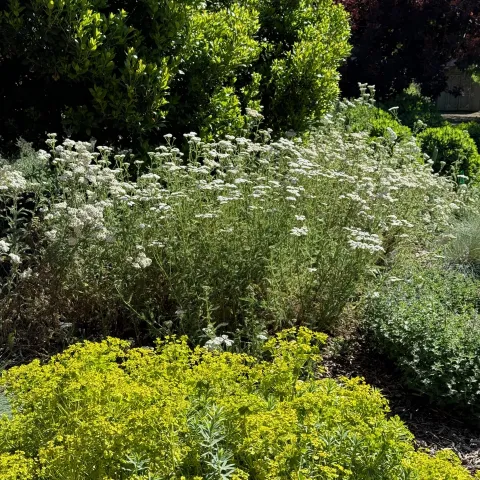
These native plants in the Demonstration Garden have been given plenty of room to grow in full sun. Laura Kling
The Real Dirt: Article

Getting Started When You Don’t Know What (or How!) to Plant

February 16, 2026
Vegetables and herbs are relatively easy to understand, but flowers and foliage and shade versus sun — it can seem overwhelming!  Let’s start from the beginning.  What does full sun really mean?  A plant requiring full sun needs at least 6 hours of direct sunlight each day in order to thrive.  If a plant…
View Article
Hodel Palms and Trees: Page

PalmArbor Articles 2026:

PalmArbor, an electronic journal published periodically, includes articles on the identification, taxonomy, nomenclature, selection, propagation, and landscape management, including pests, diseases, disorders, nutrition, irrigation, pruning, and other aspects of landscape management, of palms, trees, and…
View Page
Primary Image
Dwarf Tomatoes-pexels-ralph
UC Master Gardener Program of Contra Costa County: Article

Introducing New Dwarf Tomatoes 2026

February 16, 2026
By Janet Miller
The Dwarf Tomato Lineup Just Got BetterHave you ever wished for the taste and quality of an heirloom tomato, but on a plant you could grow in a small space or container? Last year, we were excited to introduce several varieties from the Dwarf Tomato Project that achieve just that. This year, we are offering…
View Article
Primary Image
UC Davis Biodiversity Museum Day sign (Photo by Kathy Keatley Garvey)
Bug Squad: Article

BioDiv Day Talks: Nematodes, Pollinator Gardens, Dinosaurs and Yeast

February 16, 2026
By Kathy Keatley Garvey
 You'll learn about nematodes, pollinator gardens, dinosaurs and yeast at the speakers' series during the 15th Annual UC Davis Biodiversity Museum Day on Saturday, Feb. 21. The speakers' series will take place from 4 to 5 p.m. in the Silverado Vineyards' Sensory Theatre, Sensory Building, Robert…
View Article
UC Master Gardener Program of Alameda County: Event

Event: Spring Garden Trivia (San Leandro)

Event Date
Mar 13, 2026

Join the Alameda County Master Gardeners for Spring Garden Trivia!  Come out and test your vegetable growing knowledge with your local Master Gardeners.  We are happy to have  Zocalo Coffee Shop host the first trivia night for Alameda County. Registration is not required; this event is free…
UC Master Gardener Program of Alameda County
View Event
UC Master Gardener Program of Alameda County: Event

Talk: Vegetable & Herb Gardening Basics (Oakland)

Event Date
Mar 28, 2026

For new gardeners, or gardeners new to growing vegetables, we'll will take you through the basics of growing vegetables and herbs successfully in our Mediterranean climate.  From preparing your soil, to what to grow, to how to create a plan, to how to plant seeds and seedlings, how to water, and how to…
UC Master Gardener Program of Alameda County
View Event
UC Master Gardener Program of Contra Costa County: Event

LIB - Succulents

Event Date
Mar 2, 2026

An in-person talk on Succulents presented by John Fike.
UC Master Gardener Program of Contra Costa County
View Event
UC Master Gardener Program of Alameda County: Event

Talk: Planning Your Vegetable Garden (Oakland)

Event Date
Feb 28, 2026

New to gardening or looking to grow your own vegetables? UC Master Gardeners will guide you through the essentials. Learn soil preparation, crop selection, creating a garden plan, seedling care, watering techniques, and pest management to kickstart your vegetable garden journey. The event is free.
UC Master Gardener Program of Alameda County
View Event
Primary Image
Trees for hazard assessment
HOrT COCO-UC Master Gardener Program of Contra Costa: Article

Inspect Your Trees for Hazards

February 16, 2026
By Help Desk Team
Winter storms with high winds or heavy rains take a toll on our trees and may cause a tree to fail. Most susceptible are the trees that keep their leaves all year, including broadleaf evergreens like eucalyptus and conifers. The greenery acts like a sail in a heavy wind and can cause the tree to bend…
View Article