A Natural Solution for California's Herds: African Catfish Peptides

California's cattle producers and agricultural communities are all too familiar with the rising challenge of antibiotic resistance, making common bacterial infections harder to treat in livestock. But imagine a future where we could tackle these infections with a natural, powerful alternative. Our research points to just that: antimicrobial peptides (AMPs) found in African catfish.

We're really excited about these peptides because African catfish thrive in pathogen-rich freshwater, naturally producing these robust immune compounds in their skin mucus as a defense. This natural origin makes them highly appealing alternatives to synthetic drugs.

Predicted Safety and Potent Action

One of the most compelling aspects of these AMPs is their predicted safety for mammals. Our initial computer analyses suggest that various catfish AMPs are generally recognized as safe (GRAS). We predict they'll be absorbed in the human intestine without causing liver, brain, or heart toxicity. Furthermore, lab tests on a promising peptide, NACAP-II, confirmed it was non-hemolytic, meaning it didn't damage rabbit red blood cells—a strong indicator of its potential safety for mammalian cells.

Beyond safety, these peptides demonstrate effectiveness against problematic bacteria. One study revealed NACAP-II's strong activity against Extended-Spectrum Beta-Lactamase (ESBL)-producing Escherichia coli—a critical concern for both animal and human health due to its resistance to many common antibiotics. Another peptide, ACAP-IV, also showed antibacterial activity against E. coli and Staphylococcus aureus. We believe these AMPs work by directly disrupting bacterial cell membranes, a mechanism that makes it harder for bacteria to develop resistance compared to how they resist traditional antibiotics.

Primary Image
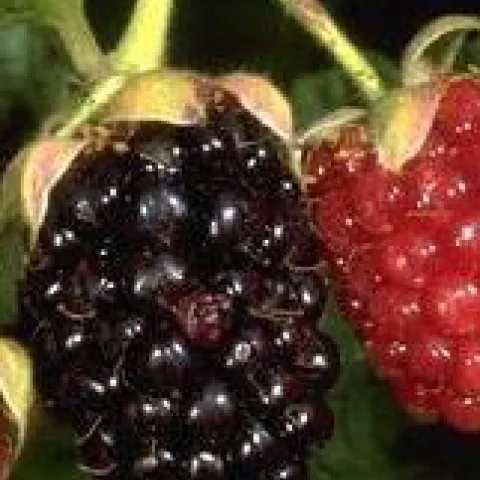
Ripe and unripe blackberry on plant
UC Master Gardeners of Santa Clara County: Page

Blackberries and Raspberries

Three main types of raspberries are grown in the United States: red, purple and black. They differ in ways other than fruit color. Red raspberries have erect canes and are propagated by suckers. These are usually grown in the Western States. Black raspberries have arched canes that root at the tips. Purple…
View Page
Primary Image
SMall chalkboard with he words "Gardening Tips" handwritten on it
UC Master Gardeners of Santa Clara County: Page

Tips for Any Time

Gardening tips applicable for any month in Santa Clara County, categorized by To-Dos, What to Plant, or Pests and Diseases. Tips are available for each month.
View Page
Primary Image
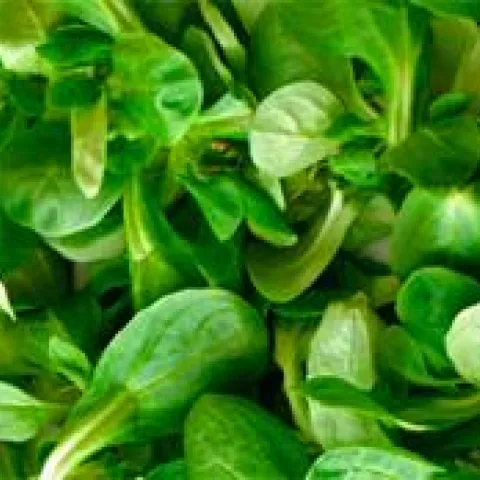
Mâche photo, courtesy of the Sonoma Master Gardeners
UC Master Gardeners of Santa Clara County: Page

Mâche

Mâche, Valerianella locusta, is a small, tender salad green, also called corn salad or lamb’s lettuce. It is popular in Europe but not well known here. It grows in little rosettes and has a mild, slightly nutty flavor.
View Page
Primary Image
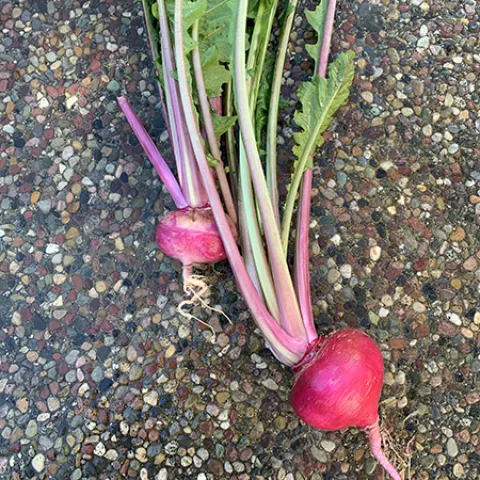
Veg-Turnip-Scarlet-Ohno-Revival-MG-Susan-Casner-Kay
UC Master Gardeners of Santa Clara County: Page

Turnips

Turnips are a cool season root vegetable that grows best between 50 and 65°F. Higher temperatures may produce strong-flavored roots. The leaves are edible and are referred to as “turnip greens”.
View Page
Primary Image
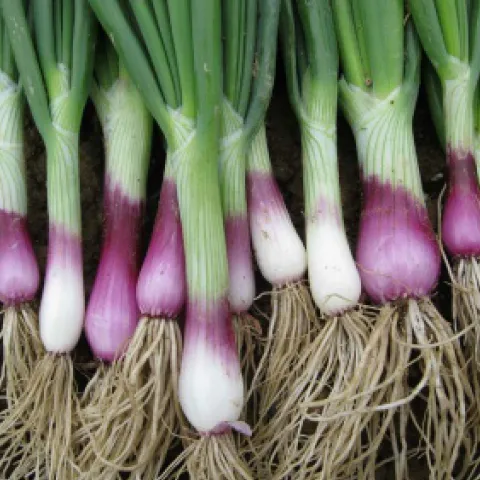
Purple scallions with roots still attached, photo courtesy of the University of New Hampshire
UC Master Gardeners of Santa Clara County: Page

Green Bunching Onions

Green onions, also called bunching onions or scallions, grow easily from seed or transplants. Most green onions sold in grocery stores are simply bulbing onions (Allium cepa), picked while young, long before they form a bulb. There is also Welsh onion/Japanese bunching onion (Allium fistulosum), which never…
View Page
Primary Image
three heads of endive standing upright
UC Master Gardeners of Santa Clara County: Page

Belgium Endive Trial 2006

Belgian endive can be successfully grown in Santa Clara County as a cool weather green. The plants need to be started in the summer. In late fall, they are harvested, trimmed, and transplanted into damp sand where they are kept cool and dark. Six plants will yield weekly salad greens from December through…
View Page
California Ecosystem Management Database: Page

Handbook- Measuring Ecosystem Services

A key challenge in comparing results across multiple management trials and experiments is that different measurements are used. This handbook provides suggestions on standardized measurement approaches to improve future comparisons across trials.
View Page
California Ecosystem Management Database: Page

Terms of Data Use

Data access is granted by the authors of the data and the University of California for the purposes of: Guiding management decisions Aiding synthesis of data to improve management recommendations and to improve our scientific understanding of ecological processes.
View Page