A Natural Solution for California's Herds: African Catfish Peptides

California's cattle producers and agricultural communities are all too familiar with the rising challenge of antibiotic resistance, making common bacterial infections harder to treat in livestock. But imagine a future where we could tackle these infections with a natural, powerful alternative. Our research points to just that: antimicrobial peptides (AMPs) found in African catfish.

We're really excited about these peptides because African catfish thrive in pathogen-rich freshwater, naturally producing these robust immune compounds in their skin mucus as a defense. This natural origin makes them highly appealing alternatives to synthetic drugs.

Predicted Safety and Potent Action

One of the most compelling aspects of these AMPs is their predicted safety for mammals. Our initial computer analyses suggest that various catfish AMPs are generally recognized as safe (GRAS). We predict they'll be absorbed in the human intestine without causing liver, brain, or heart toxicity. Furthermore, lab tests on a promising peptide, NACAP-II, confirmed it was non-hemolytic, meaning it didn't damage rabbit red blood cells—a strong indicator of its potential safety for mammalian cells.

Beyond safety, these peptides demonstrate effectiveness against problematic bacteria. One study revealed NACAP-II's strong activity against Extended-Spectrum Beta-Lactamase (ESBL)-producing Escherichia coli—a critical concern for both animal and human health due to its resistance to many common antibiotics. Another peptide, ACAP-IV, also showed antibacterial activity against E. coli and Staphylococcus aureus. We believe these AMPs work by directly disrupting bacterial cell membranes, a mechanism that makes it harder for bacteria to develop resistance compared to how they resist traditional antibiotics.
Primary Image
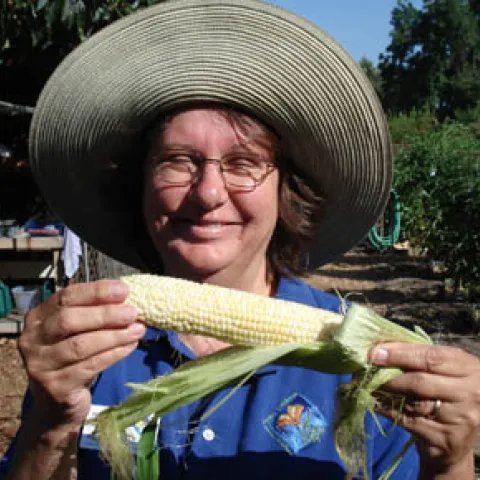
Showing off a full ear of corn
UC Master Gardeners of Santa Clara County: Page

Corn, 2008 Trial

This trial was conducted in the summer of 2008 at our Nine Palms project location (no longer in use). Peaches & Cream corn was reliably productive over an extended harvest period.
View Page
Primary Image
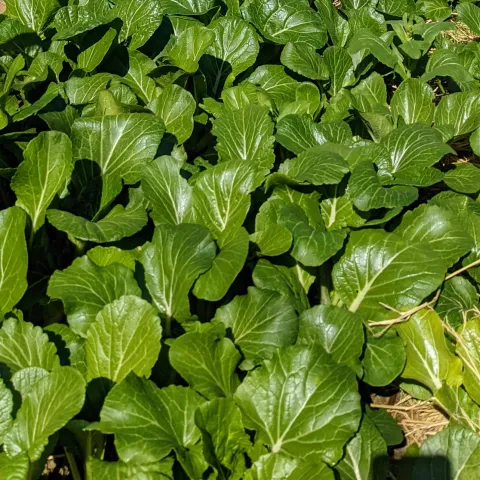
Veg-Napa-Cabbage-Minuet-MG-Susan-Casner-Kay
UC Master Gardeners of Santa Clara County: Page

Napa Cabbage

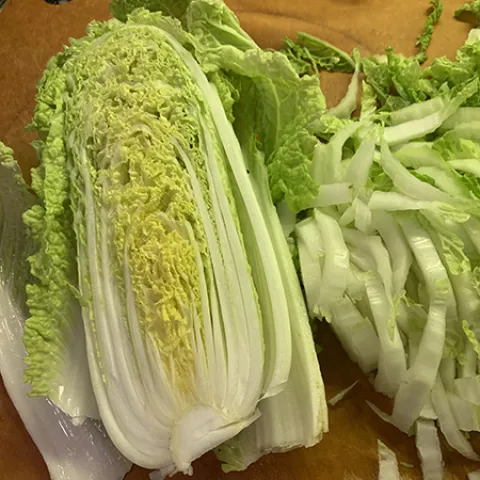
Napa cabbage is a large oblong cabbage with delicate, crinkled, pale green to white leaves and crisp, wide white ribs. Its flavor is mild and sweet. It is also known as Peking Cabbage and celery cabbage.
View Page
Primary Image
Tamora English rose
UC Master Gardeners of Santa Clara County: Page

Rose Care in Santa Clara County

Before buying roses, you should survey the area where you will be planting them. Most roses require 6 to 8 hours of direct sun and can withstand full sun in our planting region. Next, pick roses that are disease resistant.
View Page
Primary Image
Photo: UC Master Gardeners of Napa County
UC Master Gardeners of Santa Clara County: Page

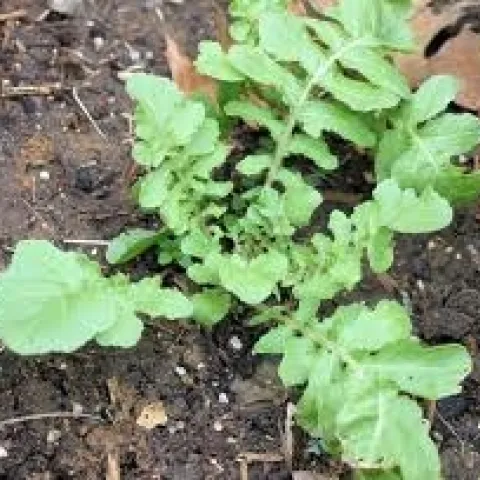
Arugula

Arugula grows best in the cool season, so plant it in late fall or early spring. It can withstand light frosts. Arugula may bolt (go to flower) quickly, especially during warm spells. It will resow if allowed to go to seed.
View Page
Primary Image
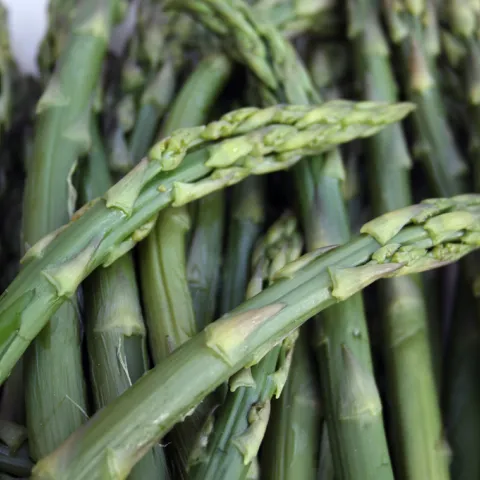
Asparagus, from UC ANR repository, no attribution required
UC Master Gardeners of Santa Clara County: Page

Asparagus

Asparagus is a perennial plant that can produce for years if grown with care. Choose a site in full sun and prepare the soil well. The plants send up 5-foot tall, ferny growth over the summer, so plant them where they won’t undesirably shade other plants. Asparagus plants can be either male or female. The…
View Page
Primary Image
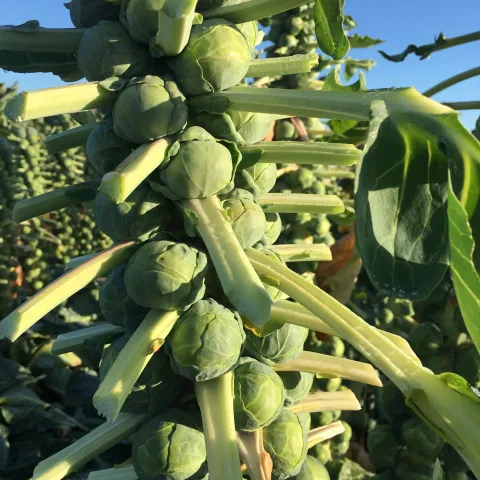
Brussels sprouts develop on the stalk where the leaves attach
UC Master Gardeners of Santa Clara County: Page

Brussels Sprouts

Brussels sprouts are a cool season crop, preferring temperatures under 70º F. Sprouts maturing in hot weather and/or dry conditions are more likely to develop bitterness. Transplant seedlings 24 inches apart in July to August, possibly September depending on weather and local conditions.
View Page
Primary Image
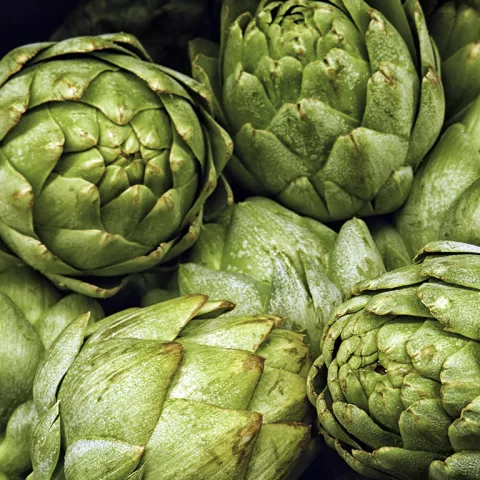
Fresh picked artichokes
UC Master Gardeners of Santa Clara County: Page

Artichoke

Artichokes are considered a cool season crop but can be grown as a perennial in Santa Clara County. They require lots of sun, plenty of water, and occasional protection from frost.
View Page
Primary Image
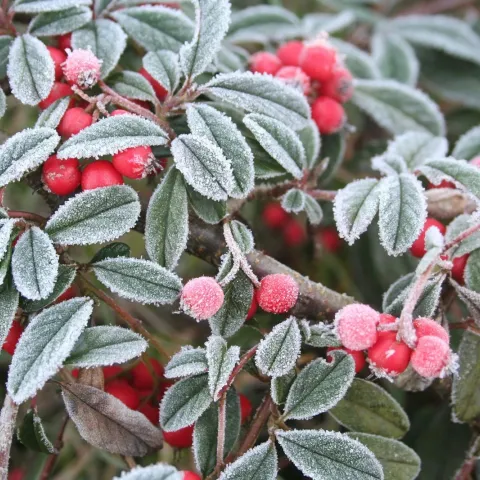
Frost on an ornamental plant with red berries
UC Master Gardeners of Santa Clara County: Page

Frost—Avoidance and Dealing with Damage

While first and last frost dates are important for gardeners to be aware of, it’s also good to know what you can do to prepare for frost and deal with frost damage after it happens.
View Page
Primary Image
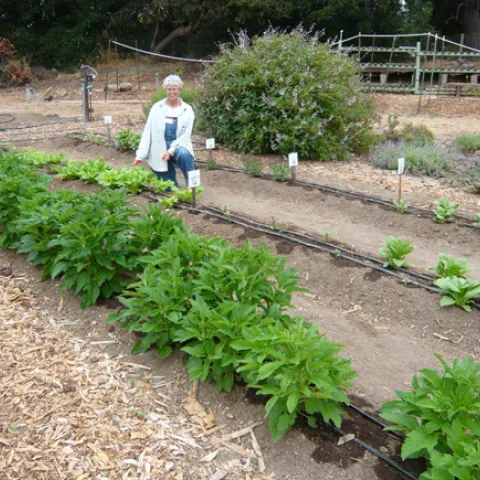
View of Asian Vegetable Trial Plot
UC Master Gardeners of Santa Clara County: Page

Asian Vegetable Trial

The Asian Vegetable Trial was conducted in the summer of 2008 at the Nine Palms Ranch project. Five varieties of bok choy, three varieties of eggplants, and three kinds of sesame seeds were grown. All varieties were successful. Particular favorites were Fun Jen bok choy and Thai Roleks eggplant.
View Page