A Natural Solution for California's Herds: African Catfish Peptides

California's cattle producers and agricultural communities are all too familiar with the rising challenge of antibiotic resistance, making common bacterial infections harder to treat in livestock. But imagine a future where we could tackle these infections with a natural, powerful alternative. Our research points to just that: antimicrobial peptides (AMPs) found in African catfish.

We're really excited about these peptides because African catfish thrive in pathogen-rich freshwater, naturally producing these robust immune compounds in their skin mucus as a defense. This natural origin makes them highly appealing alternatives to synthetic drugs.

Predicted Safety and Potent Action

One of the most compelling aspects of these AMPs is their predicted safety for mammals. Our initial computer analyses suggest that various catfish AMPs are generally recognized as safe (GRAS). We predict they'll be absorbed in the human intestine without causing liver, brain, or heart toxicity. Furthermore, lab tests on a promising peptide, NACAP-II, confirmed it was non-hemolytic, meaning it didn't damage rabbit red blood cells—a strong indicator of its potential safety for mammalian cells.

Beyond safety, these peptides demonstrate effectiveness against problematic bacteria. One study revealed NACAP-II's strong activity against Extended-Spectrum Beta-Lactamase (ESBL)-producing Escherichia coli—a critical concern for both animal and human health due to its resistance to many common antibiotics. Another peptide, ACAP-IV, also showed antibacterial activity against E. coli and Staphylococcus aureus. We believe these AMPs work by directly disrupting bacterial cell membranes, a mechanism that makes it harder for bacteria to develop resistance compared to how they resist traditional antibiotics.
Primary Image
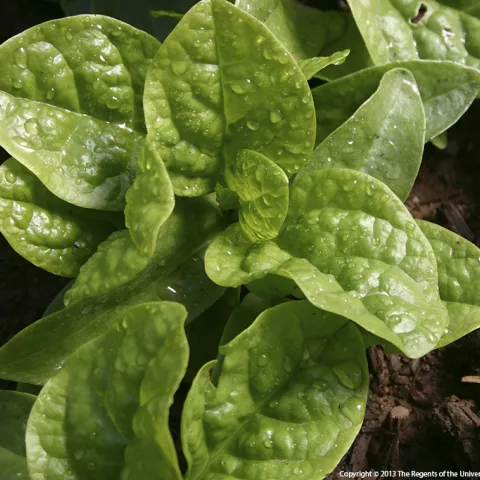
Young spinach rosette
UC Master Gardeners of Santa Clara County: Page

Spinach

Transplant: February to April, September to October (possibly November) Direct seed: March to April (possibly February), September to October (possibly November) If growing from seed for transplants, allow 4 weeks to be ready. Harvest spinach as soon as the leaves are large enough to use.
View Page
Primary Image
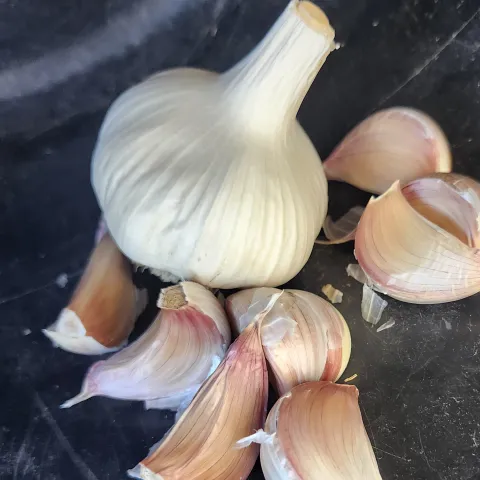
Garlic-Mexican-Red-Silver-MG-Kathy-Kaplan
UC Master Gardeners of Santa Clara County: Page

Garlic

There are two main types of garlic: softneck, which produces numerous smaller cloves, and hardneck, which has fewer, larger cloves surrounding a stalk or “scape”. Elephant garlic is not a true garlic (more closely related to leeks), but its cultivation is similar to that of true garlics. It has very large,…
View Page
Primary Image
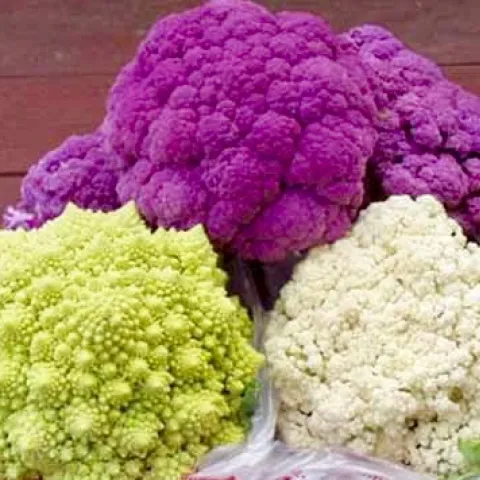
Cauliflowers Graffiti (purple), Romanesco (green), and Snowball (white)
UC Master Gardeners of Santa Clara County: Page

Cauliflower

Cauliflower is a cool season vegetable, best planted in the fall or early spring. The part that we harvest is actually a dense cluster of flower buds.
View Page
Primary Image
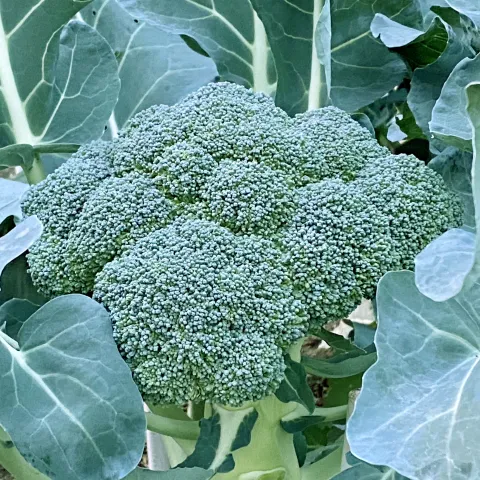
Veg-Broccoli-Belstar-MG-Jim-Lai
UC Master Gardeners of Santa Clara County: Page

Broccoli

Broccoli is a cool season vegetable in the brassica (cabbage) family. The part we harvest is the immature flower head plus a portion of the stem.
View Page
Primary Image
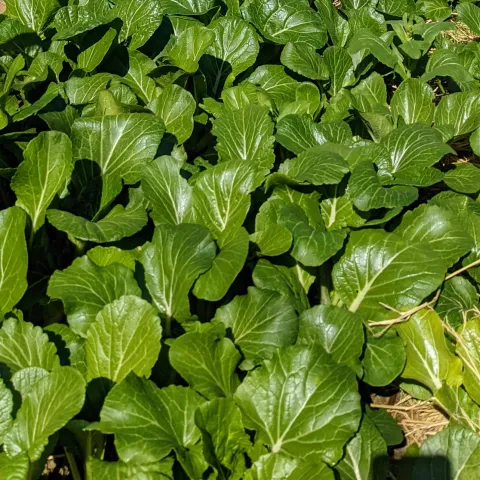
Bok Choy, Donna Lee
UC Master Gardeners of Santa Clara County: Page

Bok Choy

Bok choy is a fast growing leafy green with thick, fleshy ribs, popular in Asian cuisine. It is in the brassica (cabbage) family. Best grown in the cool season, fall into winter or early spring.
View Page
Primary Image
Bok Choy, Donna Lee
UC Master Gardeners of Santa Clara County: Page

Bok Choy

Bok choy is a fast growing leafy green with thick, fleshy ribs, popular in Asian cuisine. It is in the brassica (cabbage) family. Best grown in the cool season, fall into winter or early spring.
View Page
Primary Image
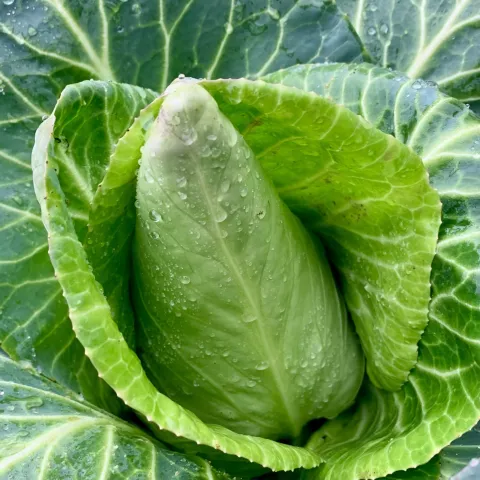
Veg-Cabbage-Caraflex-MG-Susan-Casner-Kay
UC Master Gardeners of Santa Clara County: Page

Cabbage

Transplant seedlings in February to April or August to September; possibly October depending on weather and local conditions. Spacing depends on variety. Harvest as soon as they reach maturity (the head is firm and has reached an acceptable size). Leaving them in the garden too long may result in bolting or…
View Page
Primary Image
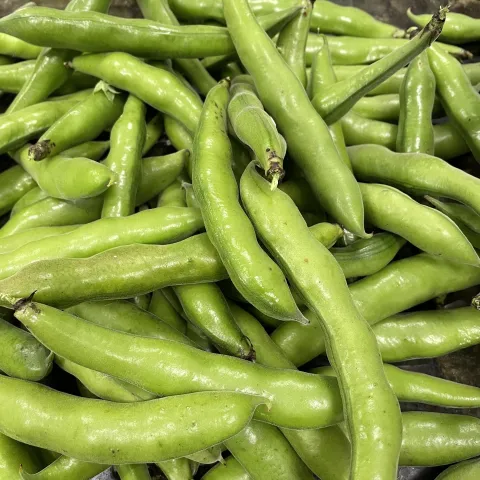
Fava beans by MG Karen Schaffer
UC Master Gardeners of Santa Clara County: Page

Fava Beans

Fava beans (Vicia faba), sometimes called broad beans, grow well as a cool season crop in Santa Clara County. (Most other beans require warm weather.) Favas are also often grown as a cover crop because of their ability to add nitrogen to the soil.
View Page
Primary Image
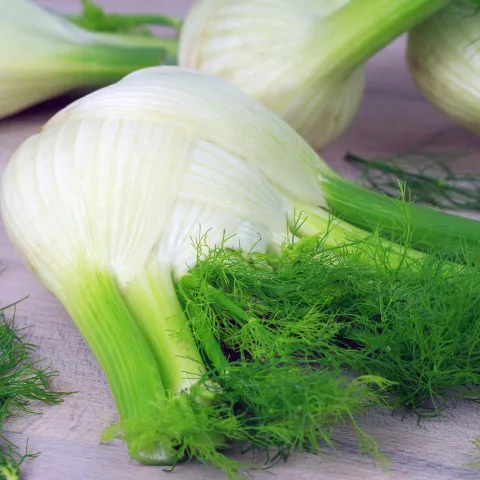
White bulb with ferny green stalks
UC Master Gardeners of Santa Clara County: Page

Fennel

There are two types of fennel: Florence fennel, also called bulbing fennel: grown primarily for the bulb-like base of the stalks which is eaten as a vegetable. Leaves and seeds can also be harvested. Common and bronze fennel: grown just for the seeds or foliage (they do not form succulent bulbs), but are…
View Page
Primary Image
Veg-Kale-Premier-Blend-MG-Ying-Chen
UC Master Gardeners of Santa Clara County: Page

Kale

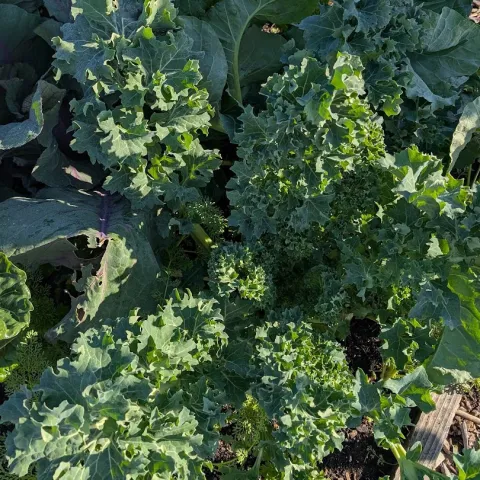
Kale, a member of the cabbage family, is a cool-season vegetable grown for its leaves. Leaves taste sweeter after exposure to cold temperatures.
View Page