A Natural Solution for California's Herds: African Catfish Peptides

California's cattle producers and agricultural communities are all too familiar with the rising challenge of antibiotic resistance, making common bacterial infections harder to treat in livestock. But imagine a future where we could tackle these infections with a natural, powerful alternative. Our research points to just that: antimicrobial peptides (AMPs) found in African catfish.

We're really excited about these peptides because African catfish thrive in pathogen-rich freshwater, naturally producing these robust immune compounds in their skin mucus as a defense. This natural origin makes them highly appealing alternatives to synthetic drugs.

Predicted Safety and Potent Action

One of the most compelling aspects of these AMPs is their predicted safety for mammals. Our initial computer analyses suggest that various catfish AMPs are generally recognized as safe (GRAS). We predict they'll be absorbed in the human intestine without causing liver, brain, or heart toxicity. Furthermore, lab tests on a promising peptide, NACAP-II, confirmed it was non-hemolytic, meaning it didn't damage rabbit red blood cells—a strong indicator of its potential safety for mammalian cells.

Beyond safety, these peptides demonstrate effectiveness against problematic bacteria. One study revealed NACAP-II's strong activity against Extended-Spectrum Beta-Lactamase (ESBL)-producing Escherichia coli—a critical concern for both animal and human health due to its resistance to many common antibiotics. Another peptide, ACAP-IV, also showed antibacterial activity against E. coli and Staphylococcus aureus. We believe these AMPs work by directly disrupting bacterial cell membranes, a mechanism that makes it harder for bacteria to develop resistance compared to how they resist traditional antibiotics.
Primary Image
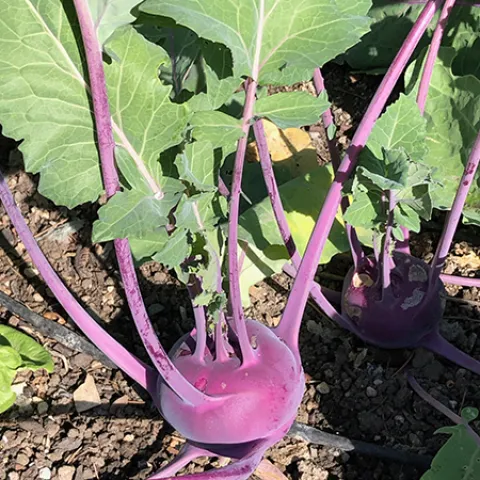
Veg-Kohlrabi-Kohlibri-MG-Karen-Schaffer
UC Master Gardeners of Santa Clara County: Page

Kohlrabi

Kohlrabi is a member of the cabbage family and is grown for its edible, bulb-shaped, stem. Often mistaken for a root plant, the bulb sits just above the soil. The taste and texture are similar to the stems of broccoli but is juicier and crisper.
View Page
Primary Image
Veg-Kohlrabi-Kohlibri-MG-Karen-Schaffer
UC Master Gardeners of Santa Clara County: Page

Kohlrabi

Kohlrabi is a member of the cabbage family and is grown for its edible, bulb-shaped, stem. Often mistaken for a root plant, the bulb sits just above the soil. The taste and texture are similar to the stems of broccoli but is juicier and crisper.
View Page
Primary Image
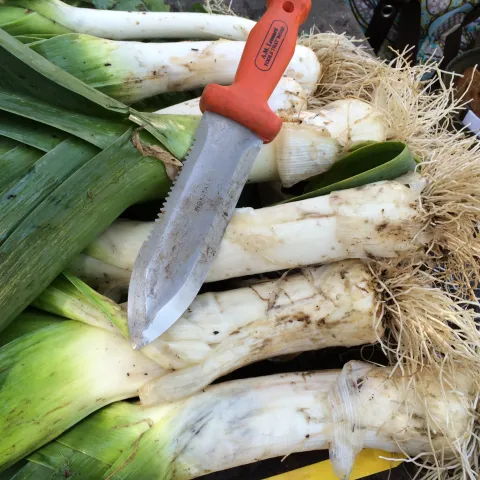
Leeks, Candace Simpson
UC Master Gardeners of Santa Clara County: Page

Leeks

Leeks are members of the Allium family that do not form bulbs like their onion and garlic relatives. Instead, they develop a 6 to 10 inch edible stem that can be up to 3 inches diameter.
View Page
Primary Image
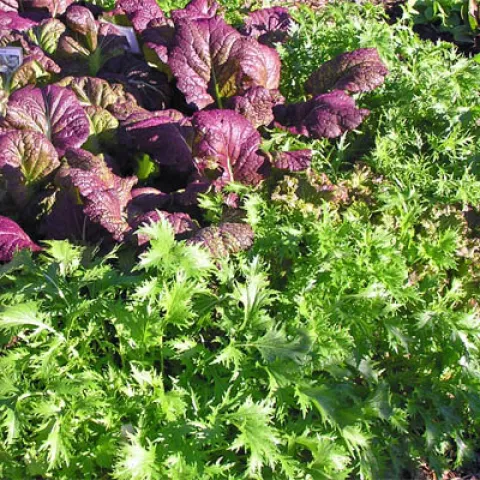
Red and green mustards
UC Master Gardeners of Santa Clara County: Page

Mustard Greens

Mustard is a member of the cabbage family. Like the others, they grow best in the cool season. Mustard comes in a variety of beautiful colors (green, red, purple) and textures (smooth, ruffled, lacy), making it very ornamental.
View Page
Primary Image
Red and green mustards
UC Master Gardeners of Santa Clara County: Page

Mustard Greens

Mustard is a member of the cabbage family. Like the others, they grow best in the cool season. Mustard comes in a variety of beautiful colors (green, red, purple) and textures (smooth, ruffled, lacy), making it very ornamental.
View Page
Primary Image
three heads of endive standing upright
UC Master Gardeners of Santa Clara County: Page

Belgian Endive

Belgium endive (also known as witloof chicory) is a leafy crop whose leaves are used in fresh salad or cooked as vegetables. It is grown in two steps. Plants are grown in the ground over the summer, then the roots are harvested. The roots are trimmed of all green leaves, then are replanted in sand in a dark…
View Page
Primary Image
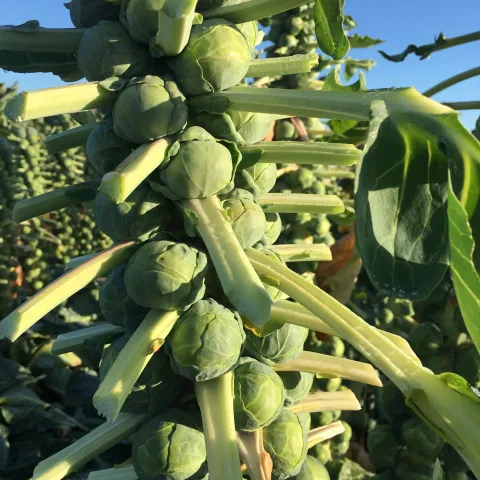
Brussels sprouts develop on the stalk where the leaves attach
UC Master Gardeners of Santa Clara County: Page

Brussels Sprouts 2006 Trial

For best Brussels sprouts production, transplant seedlings into the garden in May or June. The plants will begin to produce sprouts in the summer and will continue through the fall and winter.
View Page
Primary Image
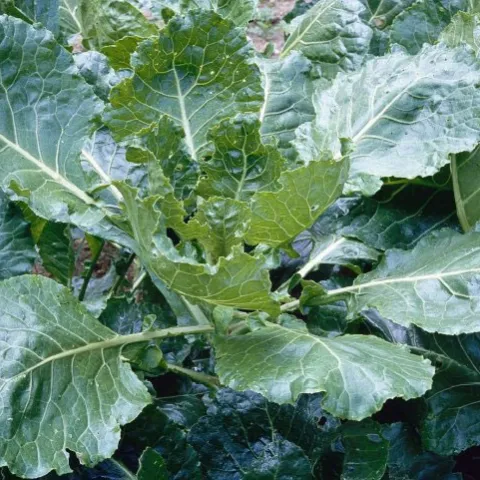
Green glaze collards (Photo: UC Master Gardeners of Monterey County)
UC Master Gardeners of Santa Clara County: Page

Collards

ollards are a cool season vegetable grown for their leaves. They are related to cabbage but do not form a tight head. Collards tolerate a wide range of warm to cold temperatures and, like many members of the cabbage family, will taste sweeter after a light frost.
View Page
Primary Image
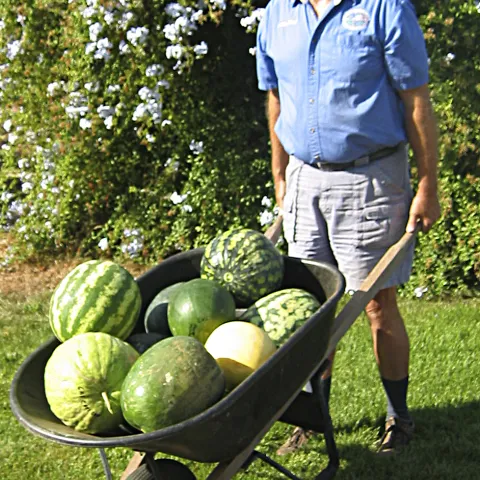
Watermelons in wheelbarrow
UC Master Gardeners of Santa Clara County: Page

Watermelon — 2006 Trial

This watermelon trial was conducted in the summer of 2006 at our (no longer in use) Nine Palms project location. Seventeen varieties of watermelons were grown to compare taste and production.
View Page
Primary Image
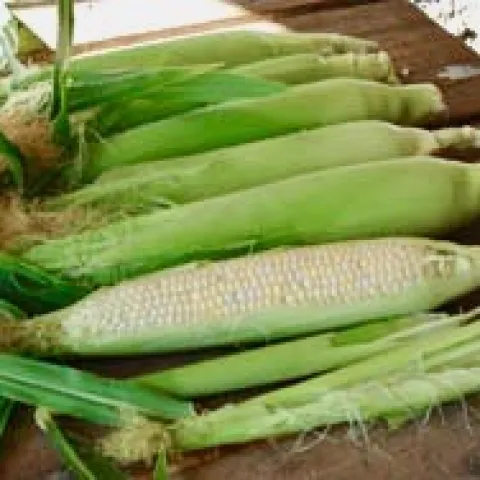
Harvested corn: peaches and cream
UC Master Gardeners of Santa Clara County: Page

Corn, 2007 Trial

This corn trial was performed in the summer of 2007 at our Nine Palms project location (no longer in use). Under challenging weather conditions, Silver Queen and Peaches & Cream ranked highest among the four corns tested. Golden Bantam is not recommended.
View Page