A Natural Solution for California's Herds: African Catfish Peptides

California's cattle producers and agricultural communities are all too familiar with the rising challenge of antibiotic resistance, making common bacterial infections harder to treat in livestock. But imagine a future where we could tackle these infections with a natural, powerful alternative. Our research points to just that: antimicrobial peptides (AMPs) found in African catfish.

We're really excited about these peptides because African catfish thrive in pathogen-rich freshwater, naturally producing these robust immune compounds in their skin mucus as a defense. This natural origin makes them highly appealing alternatives to synthetic drugs.

Predicted Safety and Potent Action

One of the most compelling aspects of these AMPs is their predicted safety for mammals. Our initial computer analyses suggest that various catfish AMPs are generally recognized as safe (GRAS). We predict they'll be absorbed in the human intestine without causing liver, brain, or heart toxicity. Furthermore, lab tests on a promising peptide, NACAP-II, confirmed it was non-hemolytic, meaning it didn't damage rabbit red blood cells—a strong indicator of its potential safety for mammalian cells.

Beyond safety, these peptides demonstrate effectiveness against problematic bacteria. One study revealed NACAP-II's strong activity against Extended-Spectrum Beta-Lactamase (ESBL)-producing Escherichia coli—a critical concern for both animal and human health due to its resistance to many common antibiotics. Another peptide, ACAP-IV, also showed antibacterial activity against E. coli and Staphylococcus aureus. We believe these AMPs work by directly disrupting bacterial cell membranes, a mechanism that makes it harder for bacteria to develop resistance compared to how they resist traditional antibiotics.
Event Primary Image
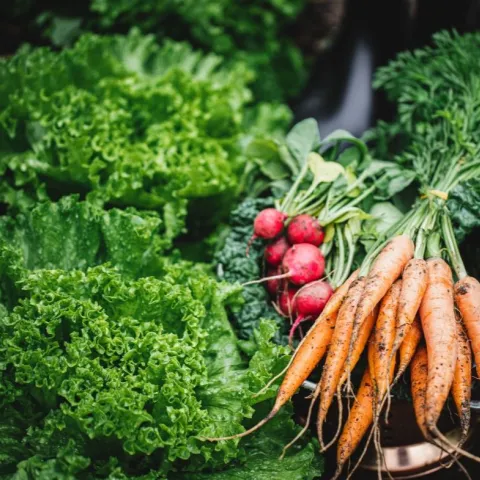
freshly harvested winter greens and root vegetables
Small and Organic Farm Advisor: Event

6th Annual Organic Agriculture Seminar Series for Growers

Event Date
Jan 13, 2026 - Mar 17, 2026

Please join us for a free weekly lunchtime seminar series that highlights the latest research in organic agriculture. Each week we’ll be joined by a guest speaker for a 30-minute presentation followed by questions from the listeners and more general discussion.
Small and Organic Farm Advisor
View Event
ANR Update: Article

Important notices about your rights

February 2, 2026
By Pamela S Kan-Rice
Dear colleagues,Many in our community are navigating a time of uncertainty and worry, and we write to make you aware of some of the protections in place for you as a University of California employee so you feel informed and supported.UC is providing notices (attached) advising employees of certain workplace…
View Article
Event Primary Image
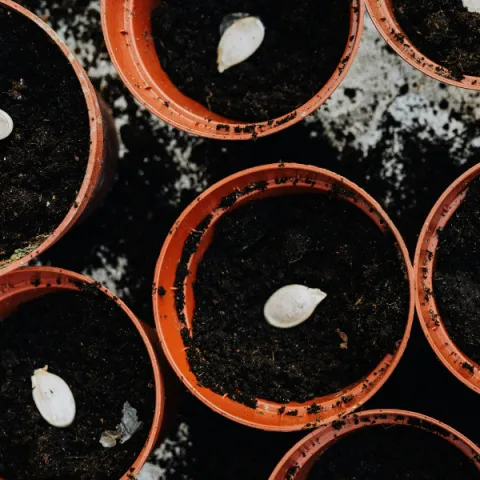
single pumpkin seed in each of several pots.
UC Master Gardeners of Monterey & Santa Cruz Counties: Event

Starting from Seed - The Basics

Event Date
Feb 18, 2026

Seeds are potent little packages of potential, holding the entire future of your garden. Whether you are a first-time grower or a longtime steward of the land, join us for an inspiring session dedicated to the art of getting things growing!Led by UC Master Gardener Delise Weir, this workshop covers…
UC Master Gardeners of Monterey & Santa Cruz Counties
View Event
Primary Image
cover crop
Salinas Valley Agriculture: Article

2026 UCCE Irrigation and Nutrient Management Meeting

February 1, 2026
By Michael D Cahn
Agriculture Conference Room, 1432 Abbott St. Salinas, CAThursday, February 197:55 am to 3 pmHabrá traducción al Españolpreregister hereWe look forward to seeing you at our Annual Irrigation and Nutrient Management Meeting.  This is a great opportunity to learn about the latest research in water and…
View Article
Event Primary Image
Group of Master Gardeners smiling at a tool care booth
UC Master Gardeners of San Diego County: Event

Garden Talk: Tool Care 101

Event Date
Feb 15, 2026

The Southern California Plumeria Society kicks off its 2026 season with a talk from Master Gardener DeLayne Harmon on Tool Care 101. Free admission, all welcome, plumeria cuttings and opportunity drawing to benefit the SCPS Outreach & Scholarship Fund. Meeting starts at 1PM, doors open at 12 noon.Farb…
UC Master Gardeners of San Diego County
View Event
Primary Image
Rhubarb with pollinator flowers under an apple tree
UC Master Gardeners of Monterey & Santa Cruz Counties: Article

Why Your Garden Needs a Perennial Food Forest

February 1, 2026
By Denise Pinard
The Case for the "Lazy" Harvest: Why Your Garden Needs a Perennial Food ForestBy Master Gardener Delise Weir, all photo credit: Delise WeirImagine a garden that wakes itself up in the spring, feeds itself through the summer, and grows more productive the less you mess with it. That is the promise of a…
View Article
Event Primary Image
Master Gardeners Helping at Booths
UC Master Gardeners of San Diego County: Event

Ask-A-Master Gardener Booth at Tomatomania!

Event Date
Mar 7, 2026

Attendees to this event on Saturday from 9am - 3:30pm can visit our Ask-A-Master-Gardener booth to get in-depth, science-based gardening advice. Free Admission | Free Parking | Dog FriendlyThis is a partner event between Tomatomania! and The Water Conservation Garden, where attendees can visit the beautiful…
UC Master Gardeners of San Diego County
View Event
Primary Image
Carrots should be planted from seed as the long tap roots are easily damaged leading to stunted growth and misshapen carrots.
Over the Fence (Alameda County): Article

Seeds vs starts? A practical guide for planting your spring vegetable garden

February 1, 2026
By Patsy Babbitt
IntroductionAfter you've enriched your soil and readied your pots or your beds for the vegetables you want to grow in the early spring, you'll need to decide whether to begin with seeds planted directly into the soil or to transplant already-started plants (“starts”) you get from a nursery or other source…
View Article
Primary Image
Carrots should be planted from seed as the long tap roots are easily damaged leading to stunted growth and misshapen carrots.
Over the Fence (Alameda County): Article

Seeds vs starts? A practical guide for planting your spring vegetable garden

February 1, 2026
By Patsy Babbitt
IntroductionAfter you've enriched your soil and readied your pots or your beds for the vegetables you want to grow in the early spring, you'll need to decide whether to begin with seeds planted directly into the soil or to transplant already-started plants (“starts”) you get from a nursery or other source…
View Article