A Natural Solution for California's Herds: African Catfish Peptides

California's cattle producers and agricultural communities are all too familiar with the rising challenge of antibiotic resistance, making common bacterial infections harder to treat in livestock. But imagine a future where we could tackle these infections with a natural, powerful alternative. Our research points to just that: antimicrobial peptides (AMPs) found in African catfish.

We're really excited about these peptides because African catfish thrive in pathogen-rich freshwater, naturally producing these robust immune compounds in their skin mucus as a defense. This natural origin makes them highly appealing alternatives to synthetic drugs.

Predicted Safety and Potent Action

One of the most compelling aspects of these AMPs is their predicted safety for mammals. Our initial computer analyses suggest that various catfish AMPs are generally recognized as safe (GRAS). We predict they'll be absorbed in the human intestine without causing liver, brain, or heart toxicity. Furthermore, lab tests on a promising peptide, NACAP-II, confirmed it was non-hemolytic, meaning it didn't damage rabbit red blood cells—a strong indicator of its potential safety for mammalian cells.

Beyond safety, these peptides demonstrate effectiveness against problematic bacteria. One study revealed NACAP-II's strong activity against Extended-Spectrum Beta-Lactamase (ESBL)-producing Escherichia coli—a critical concern for both animal and human health due to its resistance to many common antibiotics. Another peptide, ACAP-IV, also showed antibacterial activity against E. coli and Staphylococcus aureus. We believe these AMPs work by directly disrupting bacterial cell membranes, a mechanism that makes it harder for bacteria to develop resistance compared to how they resist traditional antibiotics.
Black Fig Fly - Wilson Lab @ UC Riverside: Page

Management

Biological Control: Biological control of the BFF appears to be very limited. The only reported natural enemy is a generalist pupal parasitoid known to attack dozens of different hosts. Surveys to date in California have not revealed any additional parasitism. Cultural Control: In the absence of…
View Page
Black Fig Fly - Wilson Lab @ UC Riverside: Page

Contact

HOMEOWNERS / HOBBY GROWERSIf you are a homeowner or hobby grower, and you suspect you may have black fig fly in your fig tree(s), please reach out to your local UC Master Gardener Program for assistance. Click here to find your local county program.COMMERCIAL FIG GROWERSIf you are a commercial fig grower,…
View Page
Black Fig Fly - Wilson Lab @ UC Riverside: Page

Current Research

Following initial reports of the black fig fly in spring/summer 2021, a series of research and extension projects were developed to provide fig growers with improved tools for monitoring and management. The Wilson Lab at UC Riverside (https://treecrops.ucr.edu/) is currently leading these efforts.Black Fig…
View Page
Black Fig Fly - Wilson Lab @ UC Riverside: Page

Upcoming Events

8/20/22 @ 11am - UCCE Master Gardeners, San Luis Obispo Co.
View Page
Black Fig Fly - Wilson Lab @ UC Riverside: Page

Identification and Biology

Geographic Distribution and Arrival in California The Black Fig Fly (BFF) is a newly identified pest in California that exclusively reproduces on figs (Moraceae: Ficus carica).
View Page
Black Fig Fly - Wilson Lab @ UC Riverside: Page

Monitoring

Damaged Fruit - Larval Feeding and Exit Holes: Fig fruits can be inspected for signs of BFF activity, such as larval feeding or exit holes. Focus on unripe fruits that have recently fallen from the tree.  Traps and Lures: Populations of BFF adults can also be monitored using McPhail-type traps…
View Page
Black Fig Fly - Wilson Lab @ UC Riverside: Page

Media

Summary here?
View Page
Primary Image
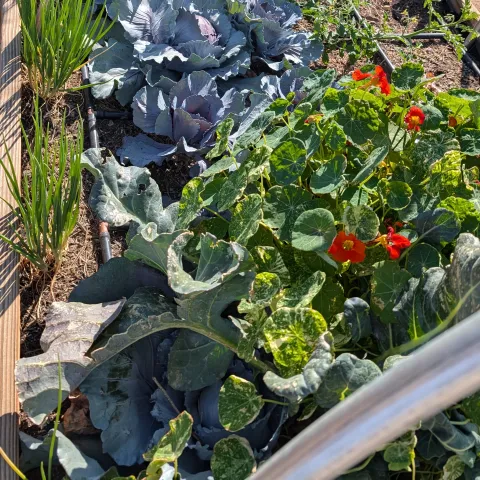
Greenery in raised garden bed.
UC Master Gardener Program of Imperial County: Page

Gardening Resources

What are Master Gardeners? The purpose of the UC Master Gardener Program is to extend to the public research-based information verified by UC experts about home horticulture, pest management, and sustainable landscape practices.
View Page
Primary Image
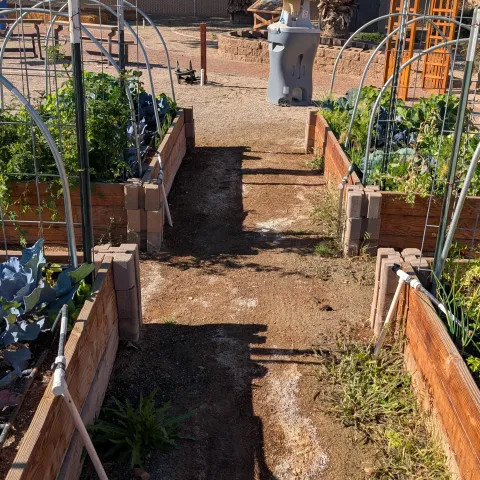
4 wooden raised gardening beds with greenery.
UC Master Gardener Program of Imperial County: Page

Ask a Master Gardener

When are the next Master Gardener classes being held? What kind of qualifications do I need? Thank you for your interest in The University of California Cooperative Extension Master Gardener Volunteer Program.
View Page