A Natural Solution for California's Herds: African Catfish Peptides

California's cattle producers and agricultural communities are all too familiar with the rising challenge of antibiotic resistance, making common bacterial infections harder to treat in livestock. But imagine a future where we could tackle these infections with a natural, powerful alternative. Our research points to just that: antimicrobial peptides (AMPs) found in African catfish.

We're really excited about these peptides because African catfish thrive in pathogen-rich freshwater, naturally producing these robust immune compounds in their skin mucus as a defense. This natural origin makes them highly appealing alternatives to synthetic drugs.

Predicted Safety and Potent Action

One of the most compelling aspects of these AMPs is their predicted safety for mammals. Our initial computer analyses suggest that various catfish AMPs are generally recognized as safe (GRAS). We predict they'll be absorbed in the human intestine without causing liver, brain, or heart toxicity. Furthermore, lab tests on a promising peptide, NACAP-II, confirmed it was non-hemolytic, meaning it didn't damage rabbit red blood cells—a strong indicator of its potential safety for mammalian cells.

Beyond safety, these peptides demonstrate effectiveness against problematic bacteria. One study revealed NACAP-II's strong activity against Extended-Spectrum Beta-Lactamase (ESBL)-producing Escherichia coli—a critical concern for both animal and human health due to its resistance to many common antibiotics. Another peptide, ACAP-IV, also showed antibacterial activity against E. coli and Staphylococcus aureus. We believe these AMPs work by directly disrupting bacterial cell membranes, a mechanism that makes it harder for bacteria to develop resistance compared to how they resist traditional antibiotics.

Primary Image
Photo of a mixture of blooming California wildflowers.
The Savvy Sage: Article

Ask a Master Gardener

January 21, 2026
By Deborah Cunningham
This column is written by the Master Gardeners of Yolo County each month. It provides answers to selected questions recently asked by Yolo County gardeners. Question: If one wants both drought-tolerant (water-efficient) and California native wildflowers, what are the options? Answer: California…
View Article
Event Primary Image
Ask an MFP Collage.png
UC Master Food Preserver: Event

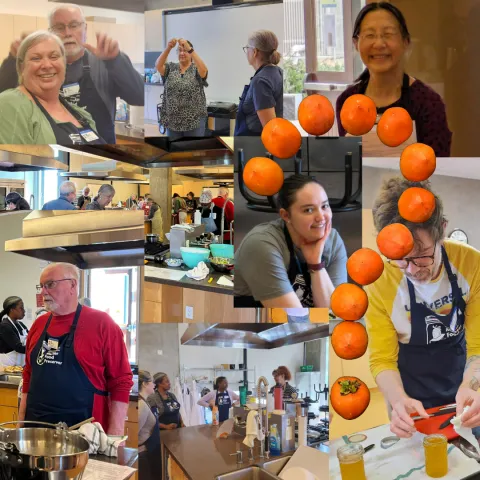
Ask A Master Food Preserver Live Q&A (Online Delivery Program)

Event Date
Feb 11, 2026

Do you have food preservation questions? Join UC Master Food Preservers online for a free live Q&A about safe, research-based methods.Have questions about canning, freezing, drying, or fermenting fruits and vegetables? Join the UC Master Food Preservers for a free live online Q&A session. Our trained…
UC Master Food Preserver
View Event
ANR Digital Accessibility: Article

Application & Reinforcement

January 21, 2026
By Stephen Dampier
Application & reinforcement (no new tips)“Fix one document”“Fix one PDF”“Fix one form or video”Why: Converts learning into action without adding cognitive load.
View Article
ANR Digital Accessibility: Article

Culture & Sustainability

January 21, 2026
By Stephen Dampier
Theme: Making accessibility stickTip 16 - Accessibility as a Shared ResponsibilityCore skill: Build accessibility into everyday workflows for accessibility.Why it mattersAccessibility is not a one-time fix or a specialist task—it’s a shared professional responsibility.What to do (Reflection action)Identify…
View Article
ANR Digital Accessibility: Article

Quality Control & File Management

January 21, 2026
By Stephen Dampier
Theme: Preventing problems before publishingTip 14: File Naming & Document MetadataCore skill: Use clear file names and titles for accessibility.Why it mattersScreen reader users often navigate files by title, not filename. Clear naming also improves search, version control, and usability for everyone…
View Article
ANR Digital Accessibility: Article

Multimedia & Interaction

January 21, 2026
By Stephen Dampier
Theme: Non-text content and navigationTip 12: Video & Audio AccessibilityCore skill: Provide captions and transcripts for accessibility.Why it mattersCaptions support Deaf and hard-of-hearing users, people in noisy environments, and anyone who prefers reading over listening.What to do (5-minute action…
View Article
ANR Digital Accessibility: Article

PDFs & Forms: High-Risk Content

January 21, 2026
By Stephen Dampier
Theme: Documents users must interact withTip 10 - PDF Tags & Reading OrderCore skill: Ensure PDFs have tags and logical reading order for accessibility.Why it mattersScreen readers rely on PDF tags to understand structure. Untagged PDFs may appear visually correct but are unreadable to assistive…
View Article
ANR Digital Accessibility: Article

PDFs: High-Risk Content

January 21, 2026
By Stephen Dampier
Theme: Getting PDFs right from the startTip 9 - Accessible PDFs Start at the SourceCore skill: Create accessible source documents before exporting to PDF for accessibility.Why it mattersPDF accessibility depends almost entirely on how the original Word, Google Doc, or PowerPoint file is structured. Fixing…
View Article
ANR Digital Accessibility: Article

Data & Structure

January 21, 2026
By Stephen Dampier
Theme: Structured contentTip 8 - TablesCore skill: Use tables for data—not layout for accessibility.Why it mattersScreen readers rely on proper table structure to announce relationships between headers and data cells.What to do (2-minute action)Use tables only for dataIdentify header rows and columnsAvoid…
View Article
ANR Digital Accessibility: Article

Visual & Content Elements

January 21, 2026
By Stephen Dampier
Theme: Visual meaningTip 6 : Color & ContrastCore skill: Don’t rely on color alone to convey meaning for accessibility.Why it mattersUsers with low vision or color-blindness may not perceive color differences. Low contrast text can also be unreadable for many users.What to do (2-minute action)Ensure…
View Article