A Natural Solution for California's Herds: African Catfish Peptides

California's cattle producers and agricultural communities are all too familiar with the rising challenge of antibiotic resistance, making common bacterial infections harder to treat in livestock. But imagine a future where we could tackle these infections with a natural, powerful alternative. Our research points to just that: antimicrobial peptides (AMPs) found in African catfish.

We're really excited about these peptides because African catfish thrive in pathogen-rich freshwater, naturally producing these robust immune compounds in their skin mucus as a defense. This natural origin makes them highly appealing alternatives to synthetic drugs.

Predicted Safety and Potent Action

One of the most compelling aspects of these AMPs is their predicted safety for mammals. Our initial computer analyses suggest that various catfish AMPs are generally recognized as safe (GRAS). We predict they'll be absorbed in the human intestine without causing liver, brain, or heart toxicity. Furthermore, lab tests on a promising peptide, NACAP-II, confirmed it was non-hemolytic, meaning it didn't damage rabbit red blood cells—a strong indicator of its potential safety for mammalian cells.

Beyond safety, these peptides demonstrate effectiveness against problematic bacteria. One study revealed NACAP-II's strong activity against Extended-Spectrum Beta-Lactamase (ESBL)-producing Escherichia coli—a critical concern for both animal and human health due to its resistance to many common antibiotics. Another peptide, ACAP-IV, also showed antibacterial activity against E. coli and Staphylococcus aureus. We believe these AMPs work by directly disrupting bacterial cell membranes, a mechanism that makes it harder for bacteria to develop resistance compared to how they resist traditional antibiotics.

Government and Community Relations: Page

Contact Us

Contact Our TeamImage Anne Megaro, Ph.D.Title: DirectorPhone: 530-400-9337Email: ammegaro@ucanr.edu   Nestor LopezTitle: Assistant DirectorPhone: 530-723-3024Email: nflopez@ucanr.edu Image 
View Page
Government and Community Relations: Page

County Spotlights

Counties are expected to complete a 2-page (1-page front and back) county overview by November 1st of each year (or the following Monday if November 1st lands on a weekend), which will be used for communication and advocacy purposes. For 2025, County Spotlights are due on Monday, November 3rd.
View Page
Primary Image
green goddess calla flower where the edge is green and the rest of the flower is white
Under the Solano Sun: Article

Calla

January 22, 2026
By Jennifer M Baumbach
Blog by Nancy Forrest One plant that grows in abundance in my yard is the Calla (Zantedeschia aethiopica). This morning, after the rain, I noticed the first bloom and beginning of the Calla plants “patch” that comes up every year in my side yard. The Calla is from the Zantedeschia genus and belongs to…
View Article
Government and Community Relations: Page

Ready-to-Print UC ANR Factsheets

Ready to Print One-PagerUC ANR Statewide Overview 2025  Additional Resources2024 UC ANR Annual Report UC ANR Brochure 2021  
View Page
Government and Community Relations: Page

Sign-on letter requests

Please use this Google Form when requesting UC sign a individual or coalition letter stating a position on a particular policy or piece of legislation.
View Page
Primary Image
Photo of a mixture of blooming California wildflowers.

Ask a Master Gardener

January 21, 2026
By Deborah Cunningham
This column is written by the Master Gardeners of Yolo County each month. It provides answers to selected questions recently asked by Yolo County gardeners. Question: If one wants both drought-tolerant (water-efficient) and California native wildflowers, what are the options? Answer: California…
View Article
Event Primary Image
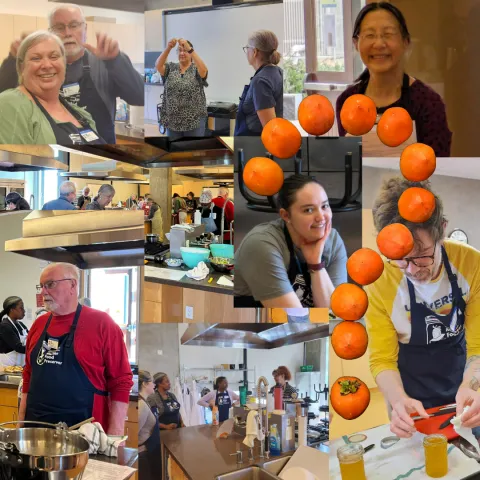
Ask an MFP Collage.png
UC Master Food Preserver: Event

Ask A Master Food Preserver Live Q&A (Online Delivery Program)

Event Date
Feb 11, 2026

Do you have food preservation questions? Join UC Master Food Preservers online for a free live Q&A about safe, research-based methods.Have questions about canning, freezing, drying, or fermenting fruits and vegetables? Join the UC Master Food Preservers for a free live online Q&A session. Our trained…
UC Master Food Preserver
View Event
ANR Digital Accessibility: Article

Application & Reinforcement

January 21, 2026
By Stephen Dampier
Application & reinforcement (no new tips)“Fix one document”“Fix one PDF”“Fix one form or video”Why: Converts learning into action without adding cognitive load.
View Article