A Natural Solution for California's Herds: African Catfish Peptides

California's cattle producers and agricultural communities are all too familiar with the rising challenge of antibiotic resistance, making common bacterial infections harder to treat in livestock. But imagine a future where we could tackle these infections with a natural, powerful alternative. Our research points to just that: antimicrobial peptides (AMPs) found in African catfish.

We're really excited about these peptides because African catfish thrive in pathogen-rich freshwater, naturally producing these robust immune compounds in their skin mucus as a defense. This natural origin makes them highly appealing alternatives to synthetic drugs.

Predicted Safety and Potent Action

One of the most compelling aspects of these AMPs is their predicted safety for mammals. Our initial computer analyses suggest that various catfish AMPs are generally recognized as safe (GRAS). We predict they'll be absorbed in the human intestine without causing liver, brain, or heart toxicity. Furthermore, lab tests on a promising peptide, NACAP-II, confirmed it was non-hemolytic, meaning it didn't damage rabbit red blood cells—a strong indicator of its potential safety for mammalian cells.

Beyond safety, these peptides demonstrate effectiveness against problematic bacteria. One study revealed NACAP-II's strong activity against Extended-Spectrum Beta-Lactamase (ESBL)-producing Escherichia coli—a critical concern for both animal and human health due to its resistance to many common antibiotics. Another peptide, ACAP-IV, also showed antibacterial activity against E. coli and Staphylococcus aureus. We believe these AMPs work by directly disrupting bacterial cell membranes, a mechanism that makes it harder for bacteria to develop resistance compared to how they resist traditional antibiotics.
Primary Image
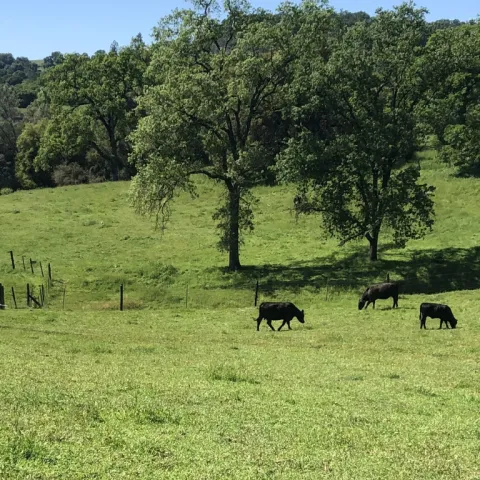
Rangeland with oak trees and cattle.
UCCE Central Sierra: Page

Central Sierra: Oaks & Rangeland | Archives

UC Cooperative Extension provides information about weed control, native grasses, oak woodland conservation and ranch water quality to landowners, ranchers and others concerned with rangeland conservation in the Central Sierra Foothill Counties.
View Page
UCCE Central Sierra: Page

Resources

Amador County Calaveras County El Dorado County Tuolumne County Go Back to top 4-H Equine Lease Agreement - Word Doc 4-H Equine Lease Agreement - PDF Go Back to top County VMO Reimbursement Request with Receipt Form Treasurer Forms: Form 5.2 Mid-Year Club Peer Review Report Form 5.
View Page
UCCE Central Sierra: Page

4-H Safety & Insurance

Facility Use Agreements are required for all meetings and events when using private property and public property that requires scheduling or a reservation. Submit a FUA Request Form and the 4-H office will help you to complete this process.
View Page
UCCE Central Sierra: Page

Central Sierra: Poultry Resources | Archives

Alternative Poultry Production Systems and Outdoor Access, ATTRA Introduction to Pastured Poultry, Truman State University Agriculture Science Organic Poultry Production in the US, ATTRA Pasture Poultry 101, Oregon Small Farms Poultry 101: for New Poultry Parents Poultry, ATTRA Producing Poultry on...
View Page
UCCE Central Sierra: Page

What Is 4-H?

4-H is an organization that promotes hands-on learning and is based on parent and volunteer participation. 4-H welcomes all youth (and adult volunteers) from all backgrounds in all locales (rural and urban). A 4-H Club is run by youth with the help of one or more adult volunteers.
View Page
UC Marin Master Gardeners: Page

CONTACT US

UC Marin Master Gardeners (MGs) are University of California Cooperative Extension-trained volunteers who share their knowledge and skills with home gardeners and community organizations through educational outreach and community service. There are a number of ways to contact us below.
View Page
UC Marin Master Gardeners: Page

Annual Giving

Planting into amended soil at IVC Martha Proctor Thank you for your interest in supporting the UC Marin Master Gardeners Opportunity Fund. Founded in 1986, UC Marin Master Gardeners (UC MMG) are trained volunteers who share knowledge and skills with the public.
View Page