A Natural Solution for California's Herds: African Catfish Peptides

California's cattle producers and agricultural communities are all too familiar with the rising challenge of antibiotic resistance, making common bacterial infections harder to treat in livestock. But imagine a future where we could tackle these infections with a natural, powerful alternative. Our research points to just that: antimicrobial peptides (AMPs) found in African catfish.

We're really excited about these peptides because African catfish thrive in pathogen-rich freshwater, naturally producing these robust immune compounds in their skin mucus as a defense. This natural origin makes them highly appealing alternatives to synthetic drugs.

Predicted Safety and Potent Action

One of the most compelling aspects of these AMPs is their predicted safety for mammals. Our initial computer analyses suggest that various catfish AMPs are generally recognized as safe (GRAS). We predict they'll be absorbed in the human intestine without causing liver, brain, or heart toxicity. Furthermore, lab tests on a promising peptide, NACAP-II, confirmed it was non-hemolytic, meaning it didn't damage rabbit red blood cells—a strong indicator of its potential safety for mammalian cells.

Beyond safety, these peptides demonstrate effectiveness against problematic bacteria. One study revealed NACAP-II's strong activity against Extended-Spectrum Beta-Lactamase (ESBL)-producing Escherichia coli—a critical concern for both animal and human health due to its resistance to many common antibiotics. Another peptide, ACAP-IV, also showed antibacterial activity against E. coli and Staphylococcus aureus. We believe these AMPs work by directly disrupting bacterial cell membranes, a mechanism that makes it harder for bacteria to develop resistance compared to how they resist traditional antibiotics.

UC Marin Master Gardeners: Page

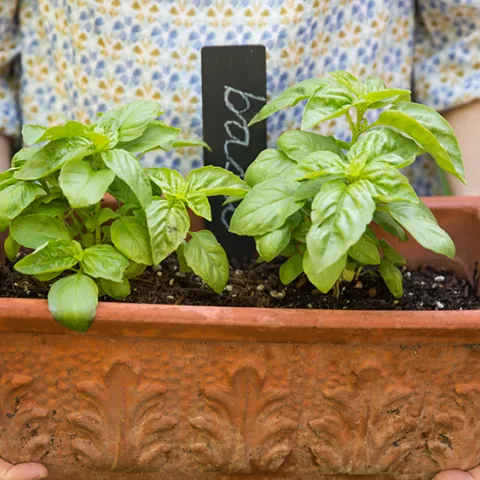
How to Espalier

Creating an espalier it not difficult, but it requires planning and attention to detail.
View Page
Primary Image
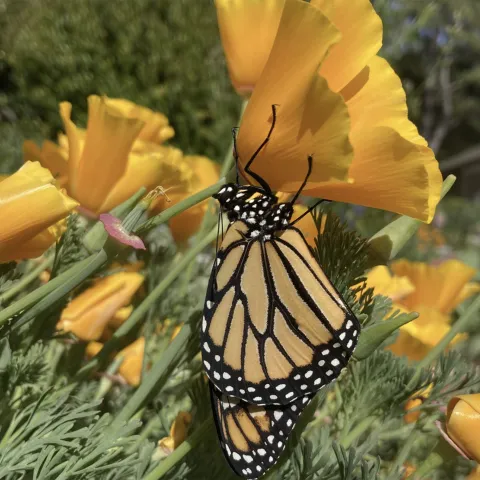
monarch butterfly on california poppy
UC Marin Master Gardeners: Page

Pollinator Plant Sale

Saturday, March 7, from 9:00 am to 12:00 pm Falkirk Cultural Center Demonstration Garden 1408 Mission Ave, San Rafael (Rear parking lot behind the greenhouse) Discover a world of vibrant colors, sweet scents, and buzzing excitement at our upcoming Pollinator Plant Sale.
View Page
Primary Image
Banner FSL
UC Marin Master Gardeners: Page

Fire-Smart Landscaping

One of the risks of living in WUI areas is the increased likelihood of wildfire. Photo: Snappygoat.com Defensible space are areas intentionally planned and maintained to reduce fire danger and to allow firefighters ample room to address embers and spot fires before they grow.
View Page
UC Marin Master Gardeners: Page

Sharing Excess Produce

Share your bumper crop with others in the community. Photo: Elaine Casap, Unsplash If youve started your community food garden, you may soon find that you have more than enough produce.
View Page
Primary Image
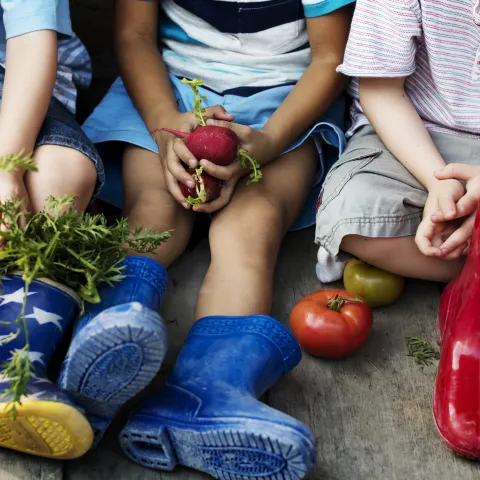
Kids boots
UC Marin Master Gardeners: Page

Youth Programs

UC Marin Master Gardeners offer several educational programs targeted to children. Exploring Habitats is a field trip program designed for second graders that expose children to natural habitats and environmental awareness.
View Page
Primary Image
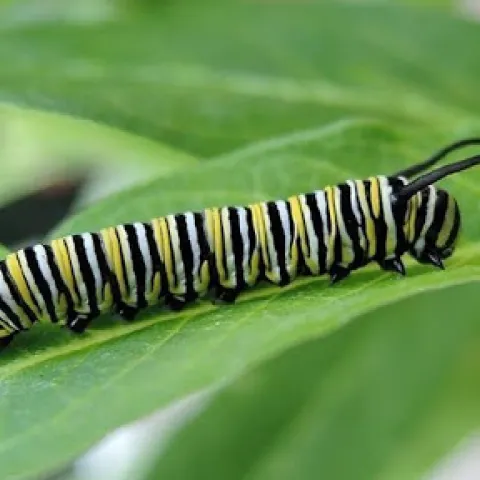
Banner Habitat caterpillar
UC Marin Master Gardeners: Page

Exploring Habitats

The Exploring Habitats field trip project is co-sponsored by Marin Master Gardeners and the Marin Art & Garden Center (MAGC).
View Page
Primary Image
Banner DIGIEI
UC Marin Master Gardeners: Page

Dig It, Grow It, Eat It

A one-day workshop on edible plants and nutrition for third and fourth graders, led by UC Marin Master Gardeners and held at the Marin Art and Garden Center. Students learn to identify edible plant parts and about how plants grow, including the science of pollination and propagation.
View Page
UC Marin Master Gardeners: Page

Farm Day

Each spring Northern California ranchers, farmers, producers, and educators come together to engage scores of young children in hands-on learning opportunities about the source of some of their food at Marin County's annual Farm Day. This free event takes place from 9 - 11:30 a.m.
View Page
UC Marin Master Gardeners: Page

Putting Carbon Back In Your Soil

Sequestering carbon is all about using plants to absorb CO2 and lock it in the soil. Credit: Wikimedia Commons Looking for ways you can help combat climate change? Start with sequestering carbon in your own backyard.
View Page
Primary Image
Banner rain
UC Marin Master Gardeners: Page

Harvest Rainwater

Colorful rain barrels attached to downspouts harvest roof water for use in the garden. Credit: Wikimedia Commons Harvested rainwater is rainwater that is captured from the roofs of buildings on a residential property.
View Page