A Natural Solution for California's Herds: African Catfish Peptides

California's cattle producers and agricultural communities are all too familiar with the rising challenge of antibiotic resistance, making common bacterial infections harder to treat in livestock. But imagine a future where we could tackle these infections with a natural, powerful alternative. Our research points to just that: antimicrobial peptides (AMPs) found in African catfish.

We're really excited about these peptides because African catfish thrive in pathogen-rich freshwater, naturally producing these robust immune compounds in their skin mucus as a defense. This natural origin makes them highly appealing alternatives to synthetic drugs.

Predicted Safety and Potent Action

One of the most compelling aspects of these AMPs is their predicted safety for mammals. Our initial computer analyses suggest that various catfish AMPs are generally recognized as safe (GRAS). We predict they'll be absorbed in the human intestine without causing liver, brain, or heart toxicity. Furthermore, lab tests on a promising peptide, NACAP-II, confirmed it was non-hemolytic, meaning it didn't damage rabbit red blood cells—a strong indicator of its potential safety for mammalian cells.

Beyond safety, these peptides demonstrate effectiveness against problematic bacteria. One study revealed NACAP-II's strong activity against Extended-Spectrum Beta-Lactamase (ESBL)-producing Escherichia coli—a critical concern for both animal and human health due to its resistance to many common antibiotics. Another peptide, ACAP-IV, also showed antibacterial activity against E. coli and Staphylococcus aureus. We believe these AMPs work by directly disrupting bacterial cell membranes, a mechanism that makes it harder for bacteria to develop resistance compared to how they resist traditional antibiotics.
Primary Image
banner rainwater
UC Marin Master Gardeners: Page

Graywater

One type of graywater system recycles water from your washer for landscape use. Credit: Pasadena Water and Power Graywater is untreated wastewater from bathroom tubs, sinks, showers, and washing machines.
View Page
Primary Image
drought
UC Marin Master Gardeners: Page

Managing Drought

This striking drought tolerant design incorporates rocks, monkeyflower, toyons, and lavender. Credit: UC Regents Water is an essential resource for all aspects of life. Californias years of rain and snow shortage are reminders to conserve our limited water supply. Recognize the signs of drought.
View Page
UC Marin Master Gardeners: Page

Permeable Landscape

Gravel paths allow rain to slow, spread, and sink. Photo: Niklas Fotografics, Unsplash Any surface that allows water to seep through it or around it is permeable. Some obvious examples are bare soil, mulched beds, and gravel.
View Page
Primary Image
Banner watershed
UC Marin Master Gardeners: Page

Marin's Watershed

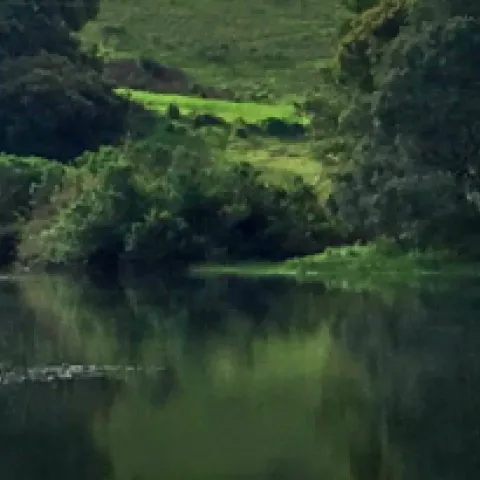
Lake Lagunitas. Photo: Wikimedia Commons A watershed is all the land that drains to a particular stream, river, or bay. All land, from the wildest preserve to the most densely developed urban neighborhood, is part of a watershed.
View Page
UC Marin Master Gardeners: Page

Reducing Energy

If you must have a lawn, raise mower blade to 3 inches. Photo credit: Ulrike Mai from Pixabay If your power and water bills rise dramatically every summer, your garden might not be as green as it looks. Although a beautiful garden can bring joy, it can also waste energy.
View Page
UC Marin Master Gardeners: Page

Recycle, Reuse, Repurpose

Pallets are used to construct a native bee 'hotel'. Photo: Mika Baumeister, Unsplash Hardscape is an aspect of your garden that gives you the license to use your creativity and support sustainability at the same time. Search for nontoxic, sustainable products to build the backbone of your garden.
View Page
Primary Image
CARE
UC Marin Master Gardeners: Page

Monthly Care

Sanni Sahil, Unsplash Use our monthly care checklists to make sure you keep on top of your plant and landscape care! Timed and designed with our wonderful Mediterranean climate in mind, stay organized, plan ahead, and learn the best times (and how!) to do all your gardening chores and tasks.
View Page
Primary Image
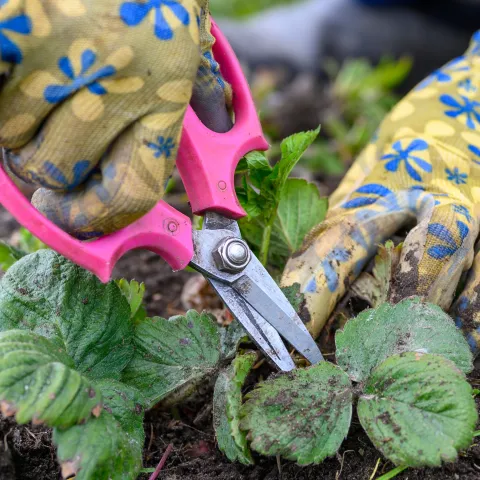
Trimming strawberries
UC Marin Master Gardeners: Page

Plant Care

> 10 Earth-friendly moves > Care for specialized plants > Fall is a good time for garden clean-up Whether your garden is postage stamp or baseball field size, whether filled with succulents, roses, lawn or vegetables, routine maintenance is key to keeping plants healthy and productive.
View Page
Primary Image
california natives
UC Marin Master Gardeners: Page

California Natives

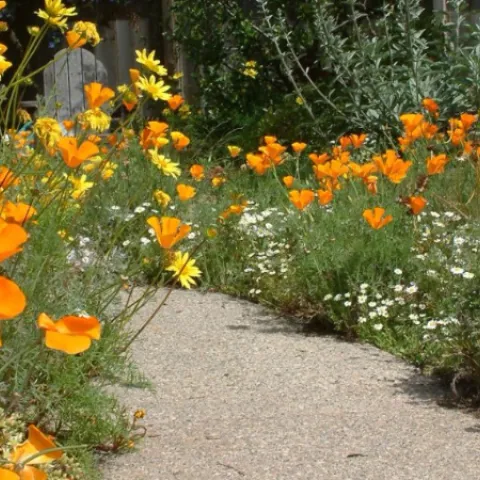
A male Annas hummingbird can't resist Saliva clevelandii Pozo Blue, an easy CA native. This plant looks best with fall pruning. Photo: Bob Mauceli Native plants are easy to grow so long as you don't overdo it with soil amendments or other unnecessary additions.
View Page
UC Marin Master Gardeners: Page

Trees & Shrubs

Erik Mclean, Unsplash Water new plants frequently, especially during hot, dry weather. Wet the root ball directly; avoid ponding water around the trunk and avoid wetting the trunk. Allow the soil surface to dry between waterings.
View Page