A Natural Solution for California's Herds: African Catfish Peptides

California's cattle producers and agricultural communities are all too familiar with the rising challenge of antibiotic resistance, making common bacterial infections harder to treat in livestock. But imagine a future where we could tackle these infections with a natural, powerful alternative. Our research points to just that: antimicrobial peptides (AMPs) found in African catfish.

We're really excited about these peptides because African catfish thrive in pathogen-rich freshwater, naturally producing these robust immune compounds in their skin mucus as a defense. This natural origin makes them highly appealing alternatives to synthetic drugs.

Predicted Safety and Potent Action

One of the most compelling aspects of these AMPs is their predicted safety for mammals. Our initial computer analyses suggest that various catfish AMPs are generally recognized as safe (GRAS). We predict they'll be absorbed in the human intestine without causing liver, brain, or heart toxicity. Furthermore, lab tests on a promising peptide, NACAP-II, confirmed it was non-hemolytic, meaning it didn't damage rabbit red blood cells—a strong indicator of its potential safety for mammalian cells.

Beyond safety, these peptides demonstrate effectiveness against problematic bacteria. One study revealed NACAP-II's strong activity against Extended-Spectrum Beta-Lactamase (ESBL)-producing Escherichia coli—a critical concern for both animal and human health due to its resistance to many common antibiotics. Another peptide, ACAP-IV, also showed antibacterial activity against E. coli and Staphylococcus aureus. We believe these AMPs work by directly disrupting bacterial cell membranes, a mechanism that makes it harder for bacteria to develop resistance compared to how they resist traditional antibiotics.
UC Marin Master Gardeners: Page

Grasses

Miscanthus sinensis, Wikimedia Commons Whether you want to create a naturalistic meadow, showcase a dramatic backlit border, or line a path, ornamental grasses are up for the job. Ornamental grasses and other grass-like plants like rushes and sedges are easily grown and work with many garden styles.
View Page
UC Marin Master Gardeners: Page

Vines

Wisteria sinensis, Wikimedia Commons Vines are usually grown for a purpose: to cast shade over an arbor, hide an unattractive chain link fence, or splay out over a hillside. If you're considering adding a vine to your garden, it is critical that you know its ultimate size.
View Page
UC Marin Master Gardeners: Page

Bulbs

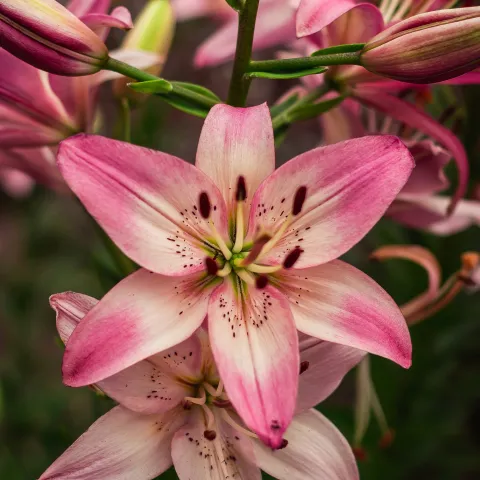
Lilies are amongst the most popular bulbs. Julia Kadel, Unsplash If you love showy flowers, bulbs are for you. Bulbs, corms, and tubers store the food that keeps the plant alive during dormant periods.
View Page
UC Marin Master Gardeners: Page

Fall Color

Chinese pistache, Wikimedia Commons Leaves are so ubiquitous that it's easy to overlook all the benefits they provide and the transition many experience. There's science behind a crimson burning bush (Euonymus), brilliant golden Ginkgo, or neon-orange Japanese maple (Acer palmatum).
View Page
Primary Image
lime tree
UC Marin Master Gardeners: Page

January

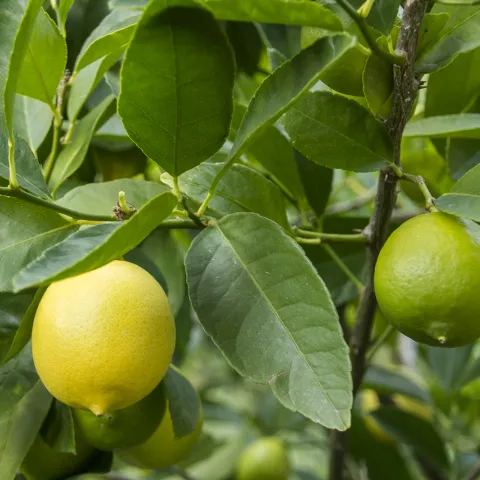
Check citrus trees for snails and slugs. Photo: Marie Narlock Observe water runoff during a heavy rain and correct any drainage issues. Protect tender garden plants by covering them on frosty nights.
View Page
Primary Image
camellia
UC Marin Master Gardeners: Page

February

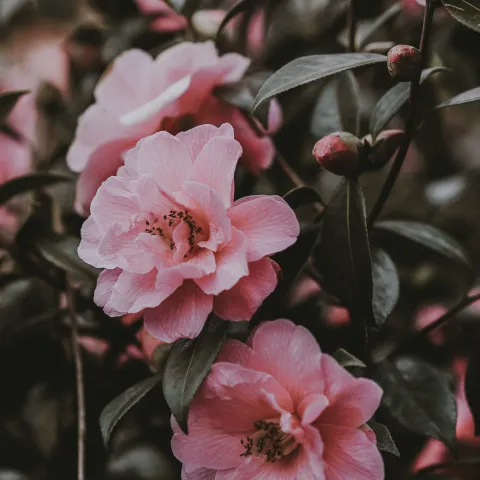
Pick up dropped camellias to avoid petal blight. Photo: Annie Spratt, unsplash Maintenance and prevention Inspect irrigation system for leaks and non-functioning emitters and sprayers. Run the system for a few minutes, paying close attention to which emitters are not working.
View Page
Primary Image
mulch
UC Marin Master Gardeners: Page

March

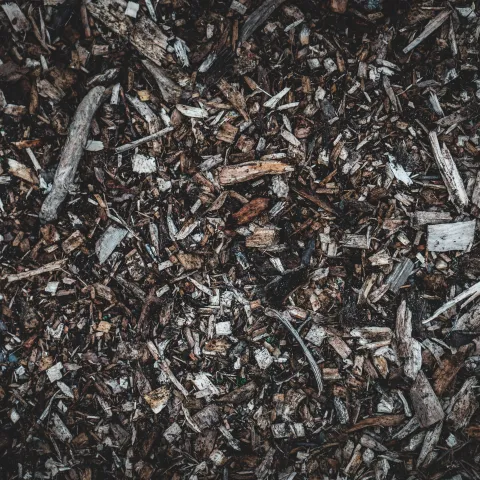
Protect sensitive plants from cold injury when frost is predicted. Photo: Courtesy UC Regents Maintenance and prevention Chop up cover crop foliage into small pieces if you grew a cover crop. Turn under or add the clippings to your compost pile.
View Page
Primary Image
lilies
UC Marin Master Gardeners: Page

April

Plant painted lady gladiola corms (Gladiolus carneus) in spring for a beautiful summer display. Photo: Creative Commons Maintenance and prevention Troubleshoot irrigation system for missing or clogged emitters and broken spray heads. Begin irrigation as rainy season ends.
View Page
Primary Image
cymbidiums
UC Marin Master Gardeners: Page

May

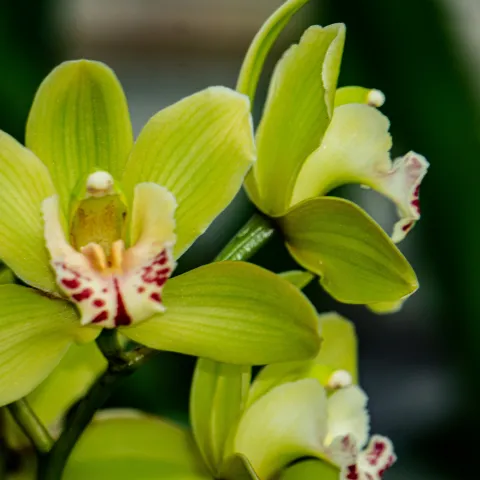
May is a good time to repot Cymbidium orchids. Photo: Creative Commons Maintenance and prevention Check hose fittings for spent washers and leaks. Ensure hose has a shut off valve or other water conserving feature. Aerate and fertilize lawn areas using an organic fertilizer.
View Page
Primary Image
mildew powdery
UC Marin Master Gardeners: Page

June

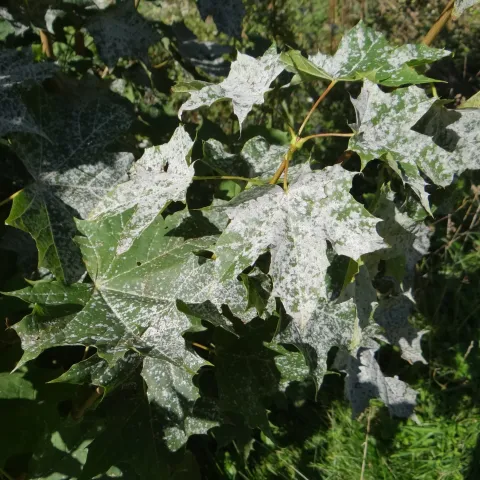
Powdery mildew is common in warm, dry conditions. Photo: Courtesy UC Regents Maintenance and prevention Check soil moisture and adjust the watering schedule on your irrigation controller accordingly. Water early in the day. Watch container plants which may need daily watering.
View Page