A Natural Solution for California's Herds: African Catfish Peptides

California's cattle producers and agricultural communities are all too familiar with the rising challenge of antibiotic resistance, making common bacterial infections harder to treat in livestock. But imagine a future where we could tackle these infections with a natural, powerful alternative. Our research points to just that: antimicrobial peptides (AMPs) found in African catfish.

We're really excited about these peptides because African catfish thrive in pathogen-rich freshwater, naturally producing these robust immune compounds in their skin mucus as a defense. This natural origin makes them highly appealing alternatives to synthetic drugs.

Predicted Safety and Potent Action

One of the most compelling aspects of these AMPs is their predicted safety for mammals. Our initial computer analyses suggest that various catfish AMPs are generally recognized as safe (GRAS). We predict they'll be absorbed in the human intestine without causing liver, brain, or heart toxicity. Furthermore, lab tests on a promising peptide, NACAP-II, confirmed it was non-hemolytic, meaning it didn't damage rabbit red blood cells—a strong indicator of its potential safety for mammalian cells.

Beyond safety, these peptides demonstrate effectiveness against problematic bacteria. One study revealed NACAP-II's strong activity against Extended-Spectrum Beta-Lactamase (ESBL)-producing Escherichia coli—a critical concern for both animal and human health due to its resistance to many common antibiotics. Another peptide, ACAP-IV, also showed antibacterial activity against E. coli and Staphylococcus aureus. We believe these AMPs work by directly disrupting bacterial cell membranes, a mechanism that makes it harder for bacteria to develop resistance compared to how they resist traditional antibiotics.
Primary Image
layering
UC Marin Master Gardeners: Page

Layering

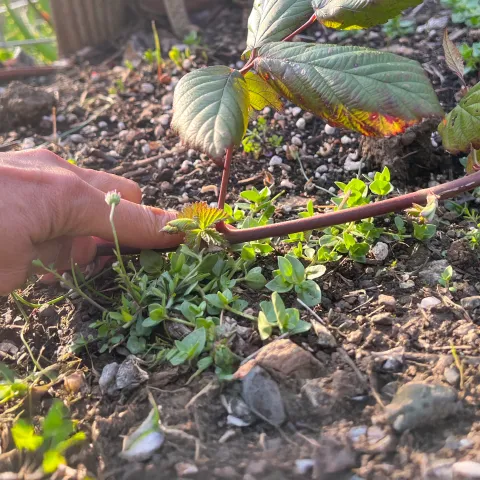
With layering, stems are induced to produce "adventitious" roots while they remain attached to the parent plant. Adventitious roots are those produced in an unusual time or position. Blackberries are great candidates for tip layering.
View Page
Primary Image
succulents
UC Marin Master Gardeners: Page

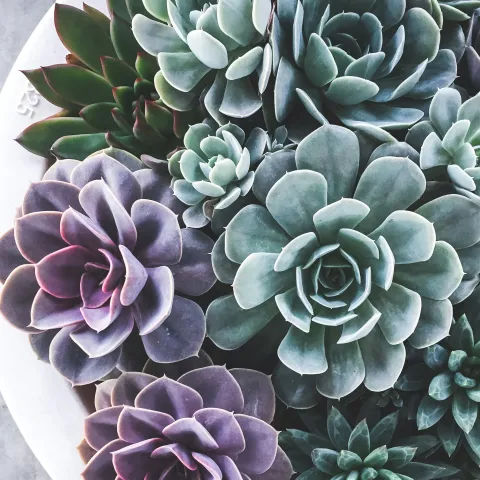
Planting Succulents

Visit Falkirk Demonstration Garden in San Rafael to see a wonderful display of succulents that thrive in Marin. Succulents, those gorgeous plants with thick, fleshy stems and leaves that collect and store water, can be grown in the ground or in containers.
View Page
UC Marin Master Gardeners: Page

Printable Tips

Print it: quick reference page to post at home Print and post this flyer where it's easily accessible. It features at-a-glance Fire-smart tips you can use throughout the year to increase the safety of your landscape and home. To print, click on the images.
View Page
Primary Image
succulent
UC Marin Master Gardeners: Page

Succulents & Low Water

Meet the spectacular succulents and other low-water plants at the Falkirk Demonstration Garden in San Rafael. L Stiles Every summer is dry in Marin and drought is an undeniable reality. In response, many gardeners make it a goal to conserve water wherever possible.
View Page
Primary Image
Houseplants
UC Marin Master Gardeners: Page

Houseplants

Photo: Daria Rem, Pexels If you revel in the array of tones and textures in our garden, you can bring that feeling indoors with a few well-placed houseplants. Houseplants create a sense of colorful coziness, along with the added bonus of purifying the air you breathe.
View Page
Primary Image
banner lawn replacement
UC Marin Master Gardeners: Page

Replace Lawn

White clover is a walkable lawn alternative that works in sun or shade and does not show pet stains. Sydney Rae, Unsplash Lawns are a landscape feature we've borrowed from areas where rain is more plentiful.
View Page
UC Marin Master Gardeners: Page

Invertebrate Pests

Snails can mow down new transplants in one night. Photo: Pexels An invertebrate is any animal without an internal backbone including insects, spiders, mollusks, crustaceans, and worms.
View Page
Primary Image
Banner deer
UC Marin Master Gardeners: Page

Vertebrate Pests

Moles can be a nuisance; but they eat grubs, not plants. Photo: Pexels A vertebrate is an animal with a backbone. Its a diverse group including warm-blooded animals like squirrels and rats, crows and hummingbirds, and cold-blooded types like snakes and lizards.
View Page
UC Marin Master Gardeners: Page

Diseases

Rust is a common fungal disease of roses. Photo: UC ANR A plant disease is a malfunction in a plant in response to an infectious agent or pathogen, most typically a bacterium, fungus, virus, or nematode.
View Page