A Natural Solution for California's Herds: African Catfish Peptides

California's cattle producers and agricultural communities are all too familiar with the rising challenge of antibiotic resistance, making common bacterial infections harder to treat in livestock. But imagine a future where we could tackle these infections with a natural, powerful alternative. Our research points to just that: antimicrobial peptides (AMPs) found in African catfish.

We're really excited about these peptides because African catfish thrive in pathogen-rich freshwater, naturally producing these robust immune compounds in their skin mucus as a defense. This natural origin makes them highly appealing alternatives to synthetic drugs.

Predicted Safety and Potent Action

One of the most compelling aspects of these AMPs is their predicted safety for mammals. Our initial computer analyses suggest that various catfish AMPs are generally recognized as safe (GRAS). We predict they'll be absorbed in the human intestine without causing liver, brain, or heart toxicity. Furthermore, lab tests on a promising peptide, NACAP-II, confirmed it was non-hemolytic, meaning it didn't damage rabbit red blood cells—a strong indicator of its potential safety for mammalian cells.

Beyond safety, these peptides demonstrate effectiveness against problematic bacteria. One study revealed NACAP-II's strong activity against Extended-Spectrum Beta-Lactamase (ESBL)-producing Escherichia coli—a critical concern for both animal and human health due to its resistance to many common antibiotics. Another peptide, ACAP-IV, also showed antibacterial activity against E. coli and Staphylococcus aureus. We believe these AMPs work by directly disrupting bacterial cell membranes, a mechanism that makes it harder for bacteria to develop resistance compared to how they resist traditional antibiotics.


Primary Image
Banner compost A
UC Marin Master Gardeners: Page

Other Soil Amendments

Credit: UC ANR A soil amendment is any material added to soil to improve its physical properties, such as water retention, permeability, drainage, aeration, and structure. They can also be used to modify soil pH. There are lots of different materials available you can use to improve your soil.
View Page
UC Marin Master Gardeners: Page

Grow & Care Sheets

Check out our information sheets on how to plant, grow, maintain and harvest common vegetables, fruits, herbs and nuts grown in Marin. We also list our favorite varieties that are best suited for local microclimates.
View Page
Primary Image
Banner farmer market
UC Marin Master Gardeners: Page

Farmers Markets

UC Marin Master Gardeners host a table at select farmers markets to provide gardeners with help and advice. The Farmers Market is a popular community event where UC Marin Master Gardeners provide community outreach and education, hosting a table offering "Advice to Grow by... Ask Us.
View Page
Primary Image
Apricot tree
UC Marin Master Gardeners: Page

Fruit Trees

Tom Swinnen, Pexels Fruit trees need suitable climates, well-drained soil, proper planting, and maintenance throughout the season. It takes some planning and work to get them established, but once you do it's a joy to pick fruit fresh from the garden. Here's how to create your very own home orchard.
View Page
Primary Image
lettuces
UC Marin Master Gardeners: Page

Planting & Spacing

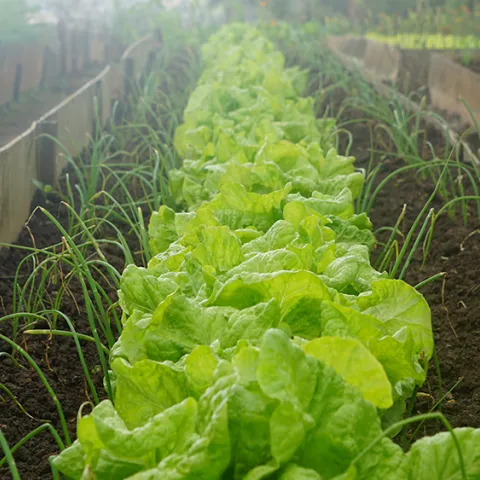
Planting and harvesting are enjoyable edible garden tasks. Courtesy UC Regents Take care to plan out your edible garden before diving in.
View Page
Primary Image
planting kale
UC Marin Master Gardeners: Page

Planting Calendar

View our calendars for recommended times to start seeds and plant vegetables and herbs in Marin.
View Page
UC Marin Master Gardeners: Page

Fire-Smart Landscaping Tips

Feeling overwhelmed and need a place to start? Check out our monthly tips for actionable, affordable ways to reduce fuel on your property. Our fire-smart landscaping tips are a reminder to homeowners to plan and maintain their homes and landscapes with awareness of the threat of wildfires.
View Page
Primary Image
hummingbird
UC Marin Master Gardeners: Page

Creating Habitats

Be part of a wildlife corridor between islands of natural habitat. Photo: Courtesy of UC Regents Habitat gardens provide connectivity Your garden can be a place for pollinators and insects to stop and refuel as they travel through urban, suburban, and wildland areas.
View Page
UC Marin Master Gardeners: Page

Perennials

Alstroemeria aurea 'Saturne'. Photo: Wikimedia Commons Perennials are flowering plants that live longer than two seasons. Some are evergreen; others die back at the end of the flowering season and then regrow from the same roots the following year. Perennials are dependable and easy.
View Page
UC Marin Master Gardeners: Page

Groundcovers

Dymondia magaretae, Wikimedia Commons Groundcovers range from ground-hugging mats to 3 or 4-foot spreading plants. They can be woody or herbaceous, evergreen or deciduous. Some grow from a single stem; others have spreading underground rhizomes that allow the plant to "creep.
View Page