A Natural Solution for California's Herds: African Catfish Peptides

California's cattle producers and agricultural communities are all too familiar with the rising challenge of antibiotic resistance, making common bacterial infections harder to treat in livestock. But imagine a future where we could tackle these infections with a natural, powerful alternative. Our research points to just that: antimicrobial peptides (AMPs) found in African catfish.

We're really excited about these peptides because African catfish thrive in pathogen-rich freshwater, naturally producing these robust immune compounds in their skin mucus as a defense. This natural origin makes them highly appealing alternatives to synthetic drugs.

Predicted Safety and Potent Action

One of the most compelling aspects of these AMPs is their predicted safety for mammals. Our initial computer analyses suggest that various catfish AMPs are generally recognized as safe (GRAS). We predict they'll be absorbed in the human intestine without causing liver, brain, or heart toxicity. Furthermore, lab tests on a promising peptide, NACAP-II, confirmed it was non-hemolytic, meaning it didn't damage rabbit red blood cells—a strong indicator of its potential safety for mammalian cells.

Beyond safety, these peptides demonstrate effectiveness against problematic bacteria. One study revealed NACAP-II's strong activity against Extended-Spectrum Beta-Lactamase (ESBL)-producing Escherichia coli—a critical concern for both animal and human health due to its resistance to many common antibiotics. Another peptide, ACAP-IV, also showed antibacterial activity against E. coli and Staphylococcus aureus. We believe these AMPs work by directly disrupting bacterial cell membranes, a mechanism that makes it harder for bacteria to develop resistance compared to how they resist traditional antibiotics.
Hopland Research and Extension Center: Event

Sheep Shearing: Technique Refinement

Event Date
Apr 24, 2026 - Apr 26, 2026

 Hands-on shearing training in a small group setting (Maximum of 6 participants).  This course is designed for any student that has successfully completed “Sheep Shearing and Basic Care 101” and wants to continue honing their craft.  We will continue to focus on execution of the fundamentals…
Hopland Research and Extension Center
View Event
UC Master Gardeners of Placer County: Article

Spring Colors Start Now

December 8, 2025
Peggy Beltramo, Master Gardeners of Placer CountyFrom The Curious Gardener, Fall 2008When gardeners think of spring color, our thoughts immediately turn to masses of tulips, hyacinths and daffodils, but our gardens can provide many other blooming surprises if we look deeper into the world of spring bulbs…
View Article
Primary Image
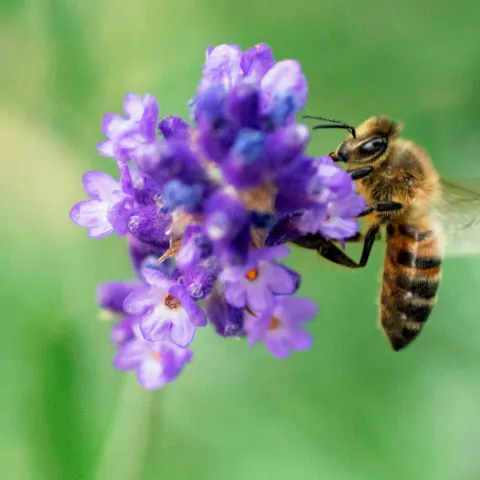
bee on flower
UC Marin Master Gardeners: Article

Using pesticides may hurt more than bugs

December 8, 2025
By Bonnie A Nielsen
 “There’s no good bug but a dead bug” or so the makers of pest control products have claimed. For just about every home and garden pest, there’s likely a product available to control or eliminate it. You probably use them regularly without hesitation – bleach, vinegar, and dishwashing soap are common…
View Article
UC Master Gardeners of Placer County: Article

Poinsettia Care

December 8, 2025
By Gay Wilhelm and Trish Grenfell, Master Gardeners of Placer CountyQ: What’s the best way to take care of a holiday poinsettia? A: Poinsettia is the best selling potted plant in the nation. It was named for Joel Poinsett, the first US Ambassador to Mexico who shipped cuttings from shrubs he…
View Article
UC Master Gardeners of Placer County: Article

Planting Bulbs in the Fall for Spring Color

December 8, 2025
By Peggy Beltramo & Trish Grenfell, Master Gardeners of Placer County Q: The garden centers are now selling bulbs.  When should I plant them and which will provide the best color for this area?A: Your first question is easy: PLANT THEM NOW! The optimum time to plant them in our area…
View Article
UC Master Gardeners of Placer County: Article

Growing Tulips in South Placer County

December 8, 2025
By Trish Grenfell, Master Gardeners of Placer County Q: I just got a pot of beautiful tulips for Valentine’s Day, but I have no clue what I should do with them. I would like to plant them in my yard for future years. Where should I put them?  What do they need?A: They should rebloom in…
View Article
UC Master Gardeners of Placer County: Article

Getting a Poinsettia to Rebloom

December 8, 2025
By Elaine Applebaum, Master Gardeners of Placer County Q:  Can I keep a poinsettia and have it rebloom next year?A: While it is possible to get a poinsettia to rebloom in time for Christmas, you may decide it is just not worth the trouble.Poinsettias are native to Mexico where they grow ten feet…
View Article
UC Master Gardeners of Placer County: Article

Epic Bloom

December 8, 2025
Article and Photos by Annette Wyrick, UC Master Gardener of Placer CountyFrom The Curious Gardener, Winter 2021                Water reduction in the most recent years prompted lawn removal in the median strip through my neighborhood. Now this space is planted…
View Article
UC Master Gardeners of Placer County: Article

Divide and Multiply: Fall Is a Great Time

December 8, 2025
Gay Wilhelm, Master Gardeners of Placer CountyFrom The Curious Gardener, Fall 2008Overgrown perennials tend to have fewer blooms. In general, it is best to divide spring and summer blooming perennials in the fall, and fall bloomers in spring. By dividing the plant when it is not flowering, all the plant’s…
View Article
UC Master Gardeners of Placer County: Article

Copper Canyon Daisies

December 8, 2025
By Trish Grenfell, Master Gardeners of Placer County Q: Last week I drove by a rooftop garden with billows of beautiful yellow daisy-like flowers falling over the top. Not only was I amazed that someone was growing plants on their carport, but what was this bright yellow flower with bountiful…
View Article