A Natural Solution for California's Herds: African Catfish Peptides

California's cattle producers and agricultural communities are all too familiar with the rising challenge of antibiotic resistance, making common bacterial infections harder to treat in livestock. But imagine a future where we could tackle these infections with a natural, powerful alternative. Our research points to just that: antimicrobial peptides (AMPs) found in African catfish.

We're really excited about these peptides because African catfish thrive in pathogen-rich freshwater, naturally producing these robust immune compounds in their skin mucus as a defense. This natural origin makes them highly appealing alternatives to synthetic drugs.

Predicted Safety and Potent Action

One of the most compelling aspects of these AMPs is their predicted safety for mammals. Our initial computer analyses suggest that various catfish AMPs are generally recognized as safe (GRAS). We predict they'll be absorbed in the human intestine without causing liver, brain, or heart toxicity. Furthermore, lab tests on a promising peptide, NACAP-II, confirmed it was non-hemolytic, meaning it didn't damage rabbit red blood cells—a strong indicator of its potential safety for mammalian cells.

Beyond safety, these peptides demonstrate effectiveness against problematic bacteria. One study revealed NACAP-II's strong activity against Extended-Spectrum Beta-Lactamase (ESBL)-producing Escherichia coli—a critical concern for both animal and human health due to its resistance to many common antibiotics. Another peptide, ACAP-IV, also showed antibacterial activity against E. coli and Staphylococcus aureus. We believe these AMPs work by directly disrupting bacterial cell membranes, a mechanism that makes it harder for bacteria to develop resistance compared to how they resist traditional antibiotics.
Primary Image
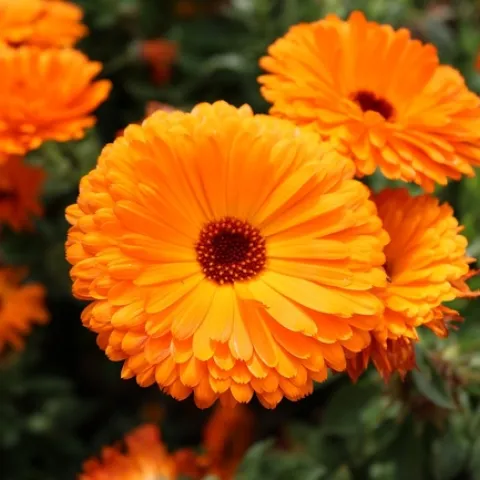
Bright orange flowers with multiple thin petals.
Fresno Gardening Green: Article

This week in the garden: Feb. 14 to 21

February 14, 2025
Make some shopping expeditions to your favorite nurseries to select water-conserving trees, shrubs and perennials. Tasks Inspect trees for die-back and weak limbs, which are common in drought-stressed plants, and remove them before they become a safety hazard.
View Article
Primary Image
Salvia greggii. Ellen Michels
The Real Dirt: Article

Welcome Salvias into Your Garden

February 14, 2025
If you are starting a list of plants to put in the ground this spring or fall, you might want to add a salvia or two. With just under 1000 varieties, Salvia is the largest genus in the mint family (Lamiaceae). Commonly known as sages, Salvias come in a dizzying variety of forms and colors.
View Article
Primary Image
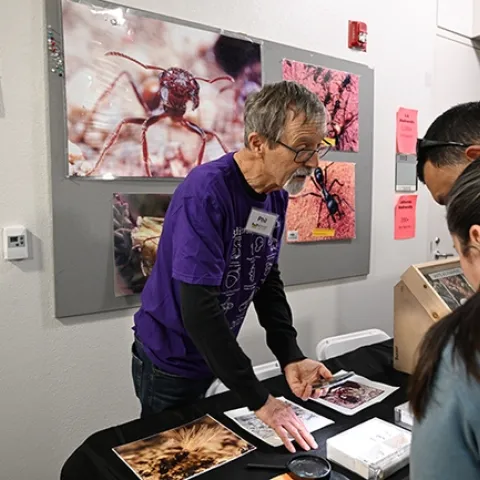
Professor Phil Ward, an ant specialist with the UC Davis Department of Entomology, responds to a question below a sign that reads "We have the Antswers." (Photo by Kathy Keatley Garvey)
Bug Squad: Article

The Phil Ward Ant Lab: They Provided the 'Antswers'

February 13, 2025
By Kathy Keatley Garvey
It's Saturday, Feb. 8--the 14th annual UC Davis Biodiversity Museum Day--and you're heading toward the Academic Surge Building on Crocker Lane, home of the Bohart Museum of Entomology and the Museum of Wildlife and Fish Biology. You want to see the displays and chat with the scientists.
View Article
Primary Image
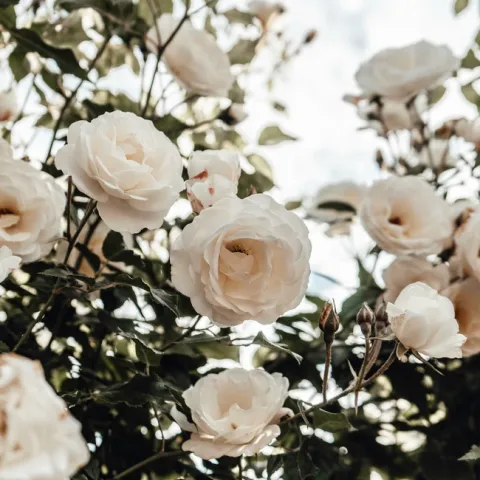
Light pink roses bush
The Coastal Gardener : Article

Confessions of a Timid Pruner

February 13, 2025
I have a horror of hurting the plants I try to grow, so pruning is one of my bugbears. When this time of year creeps up on the calendar, I start looking for urgent activities that will make it difficult, if not impossible, to get around to pruning.
View Article
Primary Image
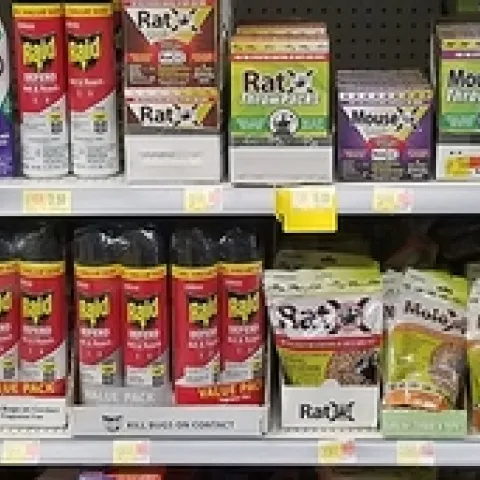
Shelves of various consumer pesticides in a retail store.
The Savvy Sage: Article

IPM/SPM Series: Pesticide Use

February 13, 2025
Before considering pesticides, Integrated Pest Management (IPM) teaches us to identify the pest or disease process before taking the actions of least harm. The IPM website has tools that you can use to identify the pest.
View Article
Primary Image
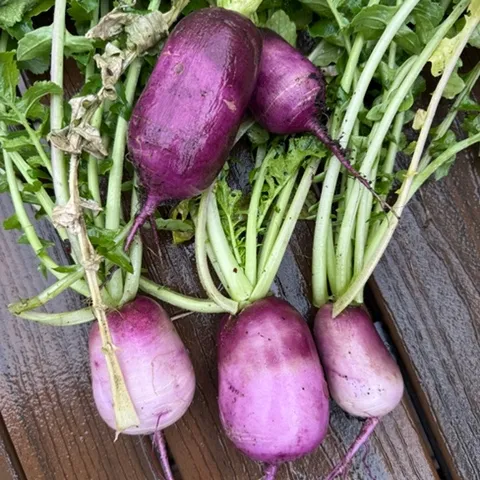
photos by Erin Mahaney
Under the Solano Sun: Article

Adventures in Radishes

February 13, 2025
Over ten years ago(!), I wrote about growing Watermelon radish (Raphanus sativus 'Watermelon') in my winter garden.
View Article