A Natural Solution for California's Herds: African Catfish Peptides

California's cattle producers and agricultural communities are all too familiar with the rising challenge of antibiotic resistance, making common bacterial infections harder to treat in livestock. But imagine a future where we could tackle these infections with a natural, powerful alternative. Our research points to just that: antimicrobial peptides (AMPs) found in African catfish.

We're really excited about these peptides because African catfish thrive in pathogen-rich freshwater, naturally producing these robust immune compounds in their skin mucus as a defense. This natural origin makes them highly appealing alternatives to synthetic drugs.

Predicted Safety and Potent Action

One of the most compelling aspects of these AMPs is their predicted safety for mammals. Our initial computer analyses suggest that various catfish AMPs are generally recognized as safe (GRAS). We predict they'll be absorbed in the human intestine without causing liver, brain, or heart toxicity. Furthermore, lab tests on a promising peptide, NACAP-II, confirmed it was non-hemolytic, meaning it didn't damage rabbit red blood cells—a strong indicator of its potential safety for mammalian cells.

Beyond safety, these peptides demonstrate effectiveness against problematic bacteria. One study revealed NACAP-II's strong activity against Extended-Spectrum Beta-Lactamase (ESBL)-producing Escherichia coli—a critical concern for both animal and human health due to its resistance to many common antibiotics. Another peptide, ACAP-IV, also showed antibacterial activity against E. coli and Staphylococcus aureus. We believe these AMPs work by directly disrupting bacterial cell membranes, a mechanism that makes it harder for bacteria to develop resistance compared to how they resist traditional antibiotics.
UC Rice Blog: Article

Propanil Stewardship Meeting - Save the Date!

February 10, 2025
By Taiyu Guan
** Agenda will be shared shortly** Date: March 17th; Location: 69 W Kentucky Ave, Woodland, CA 95695 - Yolo County Farm Bureau Date: March 18th; Location: Evangelical Church, 5219 Church St.
View Article
Primary Image
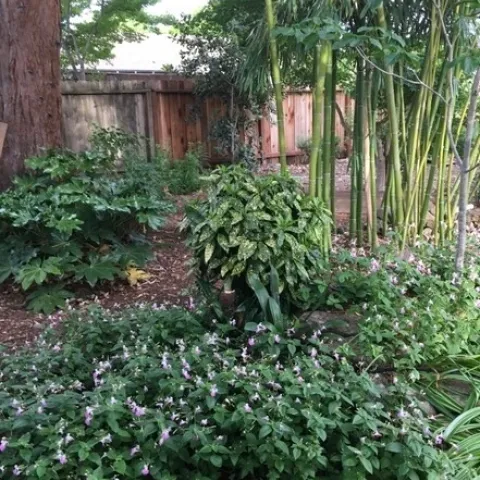
Rainier’s shade garden. See article for plant names.

Creating a Beautiful Shade Garden

February 8, 2025
Shady areas in a garden tend to cause a lot of head scratching. These spots often confound gardeners who haven't yet learnedthat many attractive plants thrive in dry shade. Some shade-loving plants have colorful foliage that provides as much delightas a bright flower patch in full sun.
View Article
Primary Image
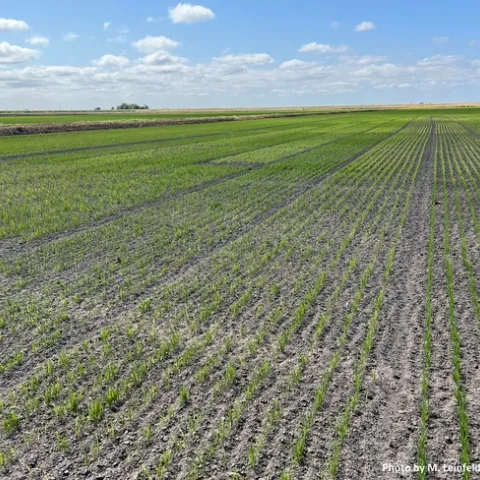
Drill-seeded Delta rice variety trial.
SJC and Delta Field Crops: Article

2024 Rice Variety Trial Results

February 7, 2025
By Michelle M Leinfelder-Miles
UC Cooperative Extension collaborates with the California Rice Experiment Station to evaluate commercial varieties and advanced breeding lines. The San Joaquin County Delta location was one of eight locations in the 2024 statewide trial.
View Article
Nutrition Policy Institute News: Article

New study evaluates costs of school-based water promotion program

February 7, 2025
By Danielle Lee, Lorrene D Ritchie
A new study published in the Journal of the Academy of Nutrition and Dietetics provides insights into the costs of implementing Water First, a school-based water promotion program shown to prevent overweight in children.
View Article
Tulare County Cooperative Extension: Article

Southern San Joaquin Needs Assessment Survey

February 7, 2025
Southern San Joaquin Needs Assessment Survey To better serve our clientele, Southern San Joaquin Valley Farm Advisors are conducting a short survey to get your input on the desired direction of our agriculture research, extension, and education programs.
View Article