A Natural Solution for California's Herds: African Catfish Peptides

California's cattle producers and agricultural communities are all too familiar with the rising challenge of antibiotic resistance, making common bacterial infections harder to treat in livestock. But imagine a future where we could tackle these infections with a natural, powerful alternative. Our research points to just that: antimicrobial peptides (AMPs) found in African catfish.

We're really excited about these peptides because African catfish thrive in pathogen-rich freshwater, naturally producing these robust immune compounds in their skin mucus as a defense. This natural origin makes them highly appealing alternatives to synthetic drugs.

Predicted Safety and Potent Action

One of the most compelling aspects of these AMPs is their predicted safety for mammals. Our initial computer analyses suggest that various catfish AMPs are generally recognized as safe (GRAS). We predict they'll be absorbed in the human intestine without causing liver, brain, or heart toxicity. Furthermore, lab tests on a promising peptide, NACAP-II, confirmed it was non-hemolytic, meaning it didn't damage rabbit red blood cells—a strong indicator of its potential safety for mammalian cells.

Beyond safety, these peptides demonstrate effectiveness against problematic bacteria. One study revealed NACAP-II's strong activity against Extended-Spectrum Beta-Lactamase (ESBL)-producing Escherichia coli—a critical concern for both animal and human health due to its resistance to many common antibiotics. Another peptide, ACAP-IV, also showed antibacterial activity against E. coli and Staphylococcus aureus. We believe these AMPs work by directly disrupting bacterial cell membranes, a mechanism that makes it harder for bacteria to develop resistance compared to how they resist traditional antibiotics.
Article

Employee Comment: APM-036, Employment

January 22, 2025
By Pamela S Kan-Rice
The University invites comments on proposed revisions to Section 036 of the Academic Personnel Manual: APM - 036, Employment Summarized below are the proposed key policy revisions that are being distributed for systemwide review.
View Article
Primary Image
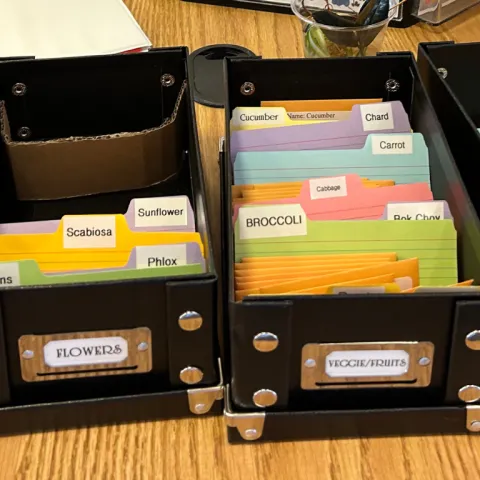
Boxes of seeds with dividers labeled for each seed typed
UC Master Gardener Program Statewide Blog: Article

Seed Libraries: Building Communities One Seed at a Time

January 22, 2025
By Barbra Braaten
Step into a seed library and you'll discover a wealth of seed collections and gardening knowledge. A seed library collects and stores seeds that allows gardeners to borrow donated seeds for free.
View Article
Nutrition Policy Institute News: Article

NPI researchers present at the 45th annual EcoFarm conference

January 22, 2025
By Brianna Aguayo Villalon, Danielle Lee, Kassandra A Bacon
Nutrition Policy Institute researchers Kassandra Bacon and Ron Strochlic present with Hope Sippola of Spork Food Hub at the 2025 annual EcoFarm conference in Pacific Grove, CA.
View Article
Primary Image
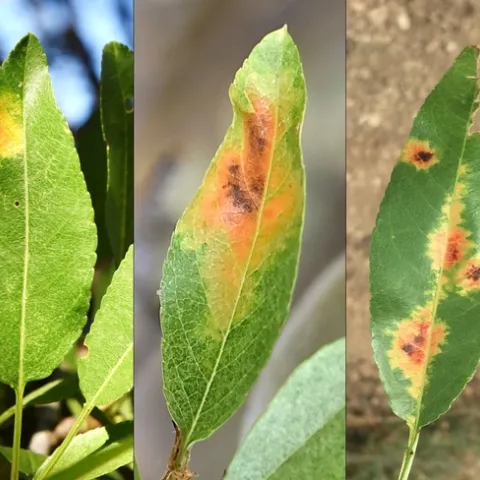
Los síntomas avanzados de la mancha ocre (RLB) incluyen manchas grandes de color amarillo naranja (aproximadamente 1/2") que se tornan roja marrón en el centro. Crédito de la fotografía: Alejandro Hernández y Florent Trouillas
Blog de Alimentos: Article

Nueva enfermedad amenaza a los cultivos de almendras en California

January 22, 2025
By Basilisa M Rawleigh
La deteccin del hongo causante de la mancha ocre de la hoja urge a los agricultores a mantenerse vigilantes Loa sntomas de la mancha ocre de la hoja (RLB, por sus siglas en ingls), una enfermedad que ataca a las plantas causada por el hongo Polystigma amygdalinum, fue observado por primera vez en el...
View Article
UCCE in Santa Barbara County: Article

Children's Gardening Program/Lompoc Library

January 22, 2025
Please join us at the Lompoc Library where UC Master Gardeners, CalFresh Healthy Living UC, and Master Food Preservers teach what plants need to grow in a fun and creative way. View flyer below for more information Wednesday, January 29, 2025 2 pm - 3:30 pm Lompoc Public Library 501 E.
View Article
Primary Image
photo by Erin Mahaney
Under the Solano Sun: Article

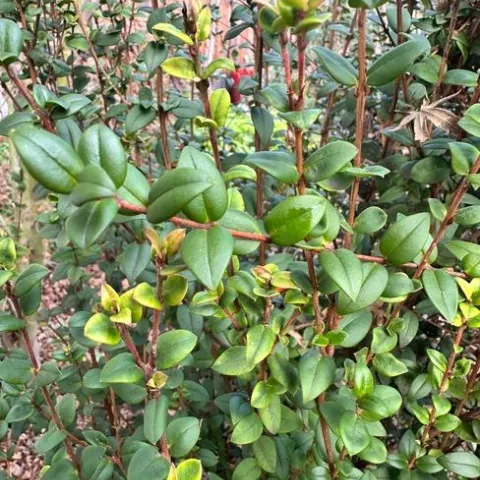
To Keep or Not to Keep: Ugni molinae

January 21, 2025
As winter begins, it provides an opportunity to assess what is working in the garden and what isn't, including whether and how plants should be pruned, moved, or removed. Now that many plants have lost their leaves or are dormant, it is easier to assess potential edits to the garden.
View Article
Primary Image
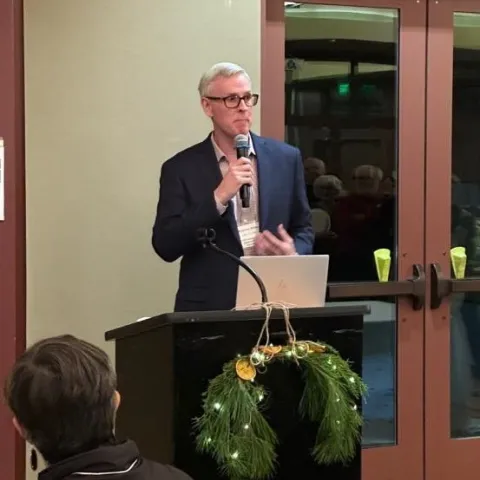
Andrew Miller, UCCE Area Director, speaks at the 2024 CoCoMG Recognition Dinner. Photo by Simone Adair.
UC Master Gardener Program of Contra Costa County: Article

Never doubt…!

January 21, 2025
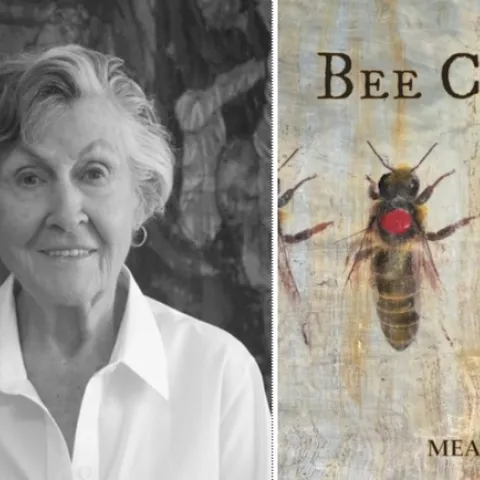
Laura Brainin-Rodriguez, ELT 2023-2025 Our UC Master Gardeners exemplify one of my favorite quotes from Margaret Mead, Never doubt that a small group of thoughtful, committed individuals can change the world. In fact, it is the only thing that ever has.
View Article
Primary Image
Fire-01
UC Master Gardener Program of Contra Costa County: Article

The Los Angeles Wildfire Can Happen Here. What Can You Do?

January 21, 2025
By Marilyn Saarni, Co-Lead of the Firewise Gardening Project and Rescape-certified in Sustainable Firescaping The massive devastation and scope of the Los Angeles fires have touched all of us Californians.
View Article