A Natural Solution for California's Herds: African Catfish Peptides

California's cattle producers and agricultural communities are all too familiar with the rising challenge of antibiotic resistance, making common bacterial infections harder to treat in livestock. But imagine a future where we could tackle these infections with a natural, powerful alternative. Our research points to just that: antimicrobial peptides (AMPs) found in African catfish.

We're really excited about these peptides because African catfish thrive in pathogen-rich freshwater, naturally producing these robust immune compounds in their skin mucus as a defense. This natural origin makes them highly appealing alternatives to synthetic drugs.

Predicted Safety and Potent Action

One of the most compelling aspects of these AMPs is their predicted safety for mammals. Our initial computer analyses suggest that various catfish AMPs are generally recognized as safe (GRAS). We predict they'll be absorbed in the human intestine without causing liver, brain, or heart toxicity. Furthermore, lab tests on a promising peptide, NACAP-II, confirmed it was non-hemolytic, meaning it didn't damage rabbit red blood cells—a strong indicator of its potential safety for mammalian cells.

Beyond safety, these peptides demonstrate effectiveness against problematic bacteria. One study revealed NACAP-II's strong activity against Extended-Spectrum Beta-Lactamase (ESBL)-producing Escherichia coli—a critical concern for both animal and human health due to its resistance to many common antibiotics. Another peptide, ACAP-IV, also showed antibacterial activity against E. coli and Staphylococcus aureus. We believe these AMPs work by directly disrupting bacterial cell membranes, a mechanism that makes it harder for bacteria to develop resistance compared to how they resist traditional antibiotics.
Primary Image
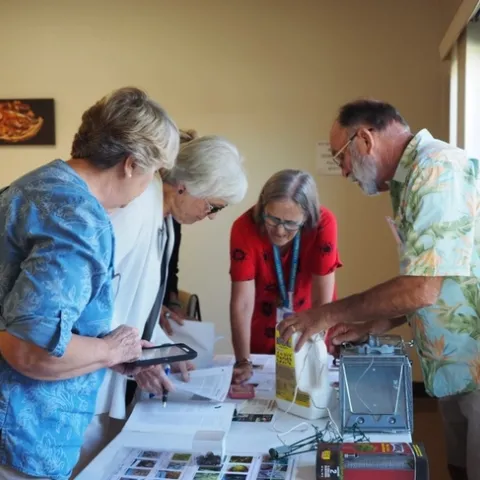
Group of people looking at items on a table
Coordinator News: Article

News From UC IPM

January 23, 2025
By Barbra Braaten
Changes to Availability of Neonicotinoid Pesticides Starting January 1, 2025, outdoor use of neonicotinoid pesticides in California will no longer be allowed by those without a pesticide applicator license.
View Article
Primary Image
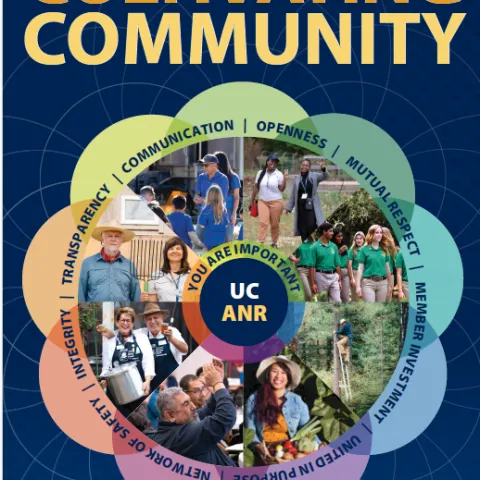
Flower with images of people from around ANR representing our Community
Together@Work: Article

Refreshed Principles of Community

January 23, 2025
By Elizabeth A Moon
This last town hall I presented the refreshed Principles of Community which took the combined efforts of over 500 UC ANR colleagues and 18 months to finalize.
View Article
Primary Image
Maddalena se incorporó a 4-H en el condado de Tuolumne a la edad de ocho o nueve años. Fotografía cortesía de Sagen Maddalena
Comunidades Saludables: Article

Sagen Maddalena, medallista de plata en tiro, atribuye sus éxitos a su paso por 4-H

January 23, 2025
By Basilisa M Rawleigh
Las lecciones del programa 4-H sobre disciplina, respeto y siempre estar preparada fueron la base de su xito en los deportes y su carrera A solo semanas de haber ganado la medalla de plata en tiro en las Olimpiadas de Verano en Pars, Francia, la sargento de personal del Ejrcito de Estados Unidos, Sa...
View Article
Primary Image
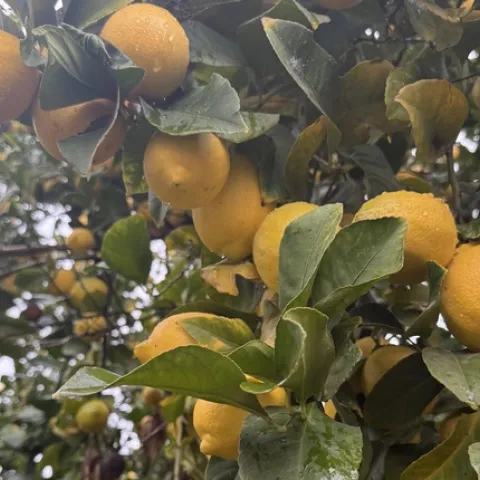
Lemons on a tree.
The Savvy Sage: Article

January is a Busy Time in the Garden

January 23, 2025
As the tender of a four-seasons kitchen garden, I find winter a surprisingly busy time. I do not plant in December or January, because it is too cold and wet for seeds to germinate.
View Article
UC Cooperative Extension San Diego County : Article

Issue 010

January 23, 2025
Winter, December 2024, Issue 10...
View Article