A Natural Solution for California's Herds: African Catfish Peptides

California's cattle producers and agricultural communities are all too familiar with the rising challenge of antibiotic resistance, making common bacterial infections harder to treat in livestock. But imagine a future where we could tackle these infections with a natural, powerful alternative. Our research points to just that: antimicrobial peptides (AMPs) found in African catfish.

We're really excited about these peptides because African catfish thrive in pathogen-rich freshwater, naturally producing these robust immune compounds in their skin mucus as a defense. This natural origin makes them highly appealing alternatives to synthetic drugs.

Predicted Safety and Potent Action

One of the most compelling aspects of these AMPs is their predicted safety for mammals. Our initial computer analyses suggest that various catfish AMPs are generally recognized as safe (GRAS). We predict they'll be absorbed in the human intestine without causing liver, brain, or heart toxicity. Furthermore, lab tests on a promising peptide, NACAP-II, confirmed it was non-hemolytic, meaning it didn't damage rabbit red blood cells—a strong indicator of its potential safety for mammalian cells.

Beyond safety, these peptides demonstrate effectiveness against problematic bacteria. One study revealed NACAP-II's strong activity against Extended-Spectrum Beta-Lactamase (ESBL)-producing Escherichia coli—a critical concern for both animal and human health due to its resistance to many common antibiotics. Another peptide, ACAP-IV, also showed antibacterial activity against E. coli and Staphylococcus aureus. We believe these AMPs work by directly disrupting bacterial cell membranes, a mechanism that makes it harder for bacteria to develop resistance compared to how they resist traditional antibiotics.

Primary Image
Investigadores de UC Davis insertan un dispositivo que recolecta muestras de agua subterránea continuamente, ofreciendo información de tiempo real sobre el movimiento del contaminante nitrato. Fotografía por Isaya Kisekka
Blog Verde: Article

El clima extremo acelera la contaminación del agua subterránea con nitrato

January 21, 2025
By Basilisa M Rawleigh
El clima extremo estimulado por el cambio climtico, incluyendo las sequas y fuertes lluvias, puede aumentar el riesgo de que los nitratos que contienen los fertilizantes terminen en las aguas subterrneas, segn un estudio reciente realizado por investigadores de la Universidad de California en Davis.
View Article
Primary Image
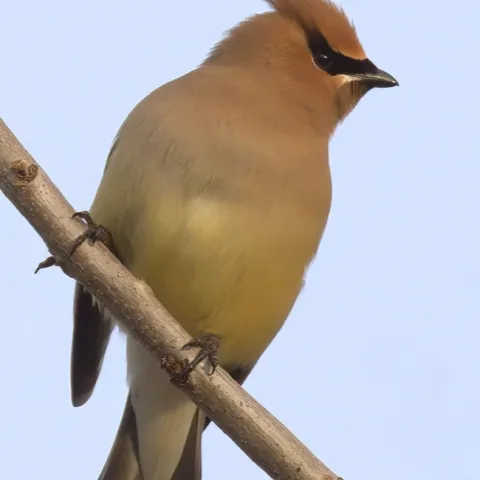
Cedar Waxwing, Richard Brown.
The Stanislaus Sprout: Article

Cheerful Birds in Winter Gardens

January 21, 2025
By Anne E Schellman
We are now in the midst of winter with its often foggy and dreary days. Many trees are bare, most insects are dormant, and numerous bird species have flown south, so our gardens can seem gray, bare, and quiet. However, some birds spend winters here, so there are still some bright spots.
View Article
Primary Image
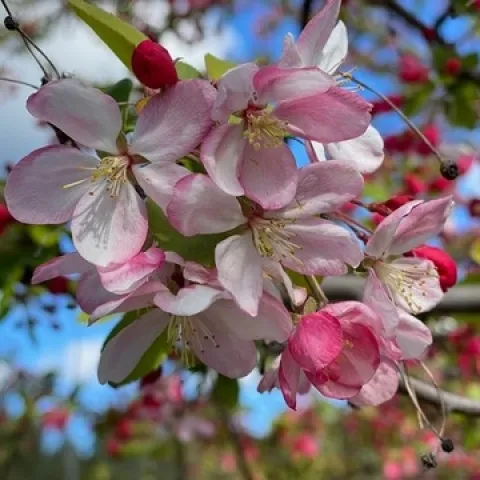
Photo of apple blossoms
HOrT COCO-UC Master Gardener Program of Contra Costa: Article

What Are Chill Hours?

January 21, 2025
By Help Desk Team
Whether today's temperature is low enough might seem like a funny question to ask, but if you are growing fruit trees or berries, it's important to wonder if it's cold enough. Sufficient cold temperatures can mean the difference between an abundant fruit crop or little-to-no flowers or fruit.
View Article
Nutrition Policy Institute News: Article

Study on Navajo Nation identifies community involvement and cultural traditions as crucial in promoting drinking water access and reducing sugar-sweetened beverage consumption in young children

January 21, 2025
By Jean Aquino
A 2024 paper describes ongoing community-based work to promote consumption of water in place of sugar-sweetened beverages, SSBs, on Navajo Nation. The Navajo community is disproportionately affected by water insecurity with 30% of households lacking reliable drinking water access.
View Article
Primary Image
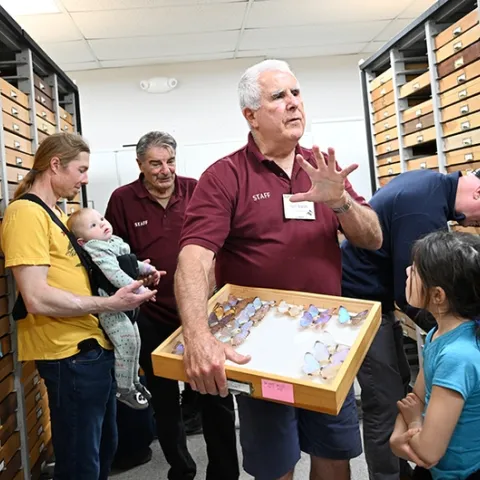
Jeff Smith (foreground), curator of the Bohart Museum of Entomology's global Lepidoptera, chats with guests. In back is Bohart associate Greg Kareofelas. (Photo by Kathy Keatley Garvey)
Bug Squad: Article

An Afternoon in the Lepidoptera Collection

January 20, 2025
By Kathy Keatley Garvey
What's his number? 2,530. That's how many specimen drawers that Jeff Smith, volunteer curator of the Lepidoptera collection at the Bohart Museum of Entomology for the past 36 years, has crafted and donated to the "Lep" section. Smith brought another batch to the Bohart Museum at the Jan.
View Article
Primary Image
What's good about composting. (UCANR)
Napa Master Gardener Column: Article

Compost Is Good for the Environment!

January 18, 2025
When I joined the University of California Master Gardeners of Napa County in 2016, I had planned to check out the MG committees and decide which one was best suited to my nascent talents. Jill Pahl had another idea: Cindy, we could use you on the compost committee, right now. I was taken aback.
View Article