A Natural Solution for California's Herds: African Catfish Peptides

California's cattle producers and agricultural communities are all too familiar with the rising challenge of antibiotic resistance, making common bacterial infections harder to treat in livestock. But imagine a future where we could tackle these infections with a natural, powerful alternative. Our research points to just that: antimicrobial peptides (AMPs) found in African catfish.

We're really excited about these peptides because African catfish thrive in pathogen-rich freshwater, naturally producing these robust immune compounds in their skin mucus as a defense. This natural origin makes them highly appealing alternatives to synthetic drugs.

Predicted Safety and Potent Action

One of the most compelling aspects of these AMPs is their predicted safety for mammals. Our initial computer analyses suggest that various catfish AMPs are generally recognized as safe (GRAS). We predict they'll be absorbed in the human intestine without causing liver, brain, or heart toxicity. Furthermore, lab tests on a promising peptide, NACAP-II, confirmed it was non-hemolytic, meaning it didn't damage rabbit red blood cells—a strong indicator of its potential safety for mammalian cells.

Beyond safety, these peptides demonstrate effectiveness against problematic bacteria. One study revealed NACAP-II's strong activity against Extended-Spectrum Beta-Lactamase (ESBL)-producing Escherichia coli—a critical concern for both animal and human health due to its resistance to many common antibiotics. Another peptide, ACAP-IV, also showed antibacterial activity against E. coli and Staphylococcus aureus. We believe these AMPs work by directly disrupting bacterial cell membranes, a mechanism that makes it harder for bacteria to develop resistance compared to how they resist traditional antibiotics.
Primary Image
photos by Erin Mahaney
Under the Solano Sun: Article

Chill Out, Tulips!

December 3, 2024
Each fall, I plant a variety of bulbs to enjoy in the garden each spring and to ensure plenty of cut flowers. But I never plant tulips or other bulbs that need to be chilled in our mild climate.
View Article
Primary Image
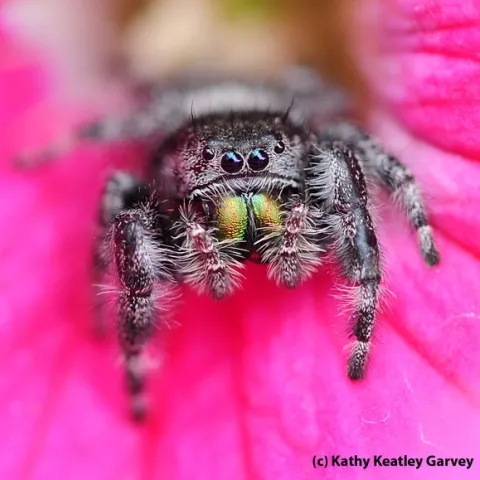
Visitors to an upcoming Bohart Museum of Entomology open house will learn the differences between venomous and poisonous. This jumping spider is venomous. (Photo by Kathy Keatley Garvey)

Bohart Museum of Entomology Gearing Up for 2025

December 2, 2024
By Kathy Keatley Garvey
Drum roll... The Bohart Museum of Entomology, University of California, Davis, is gearing up for the new year. Open houses or special events planned from January through May include: Saturday, Jan. 11: General Open House 1 to 4 p.m. Saturday, Feb.
View Article
Primary Image
root vegetables
UC Master Gardener Coordinators: Article

Rooted in Marketing - December 2024

December 2, 2024
By Barbra Braaten
2024 is coming to an end, and things are getting a bit quieter online. The holidays are a busy season, and our social media feeds often see less engagement. But this slower period offers an opportunity to reflect on our communication successes and plan for an impactful 2025. Whether you're scheduling posts…
View Article
Primary Image
photo by Mike Gunther
Under the Solano Sun: Article

November Hues Miku

December 2, 2024
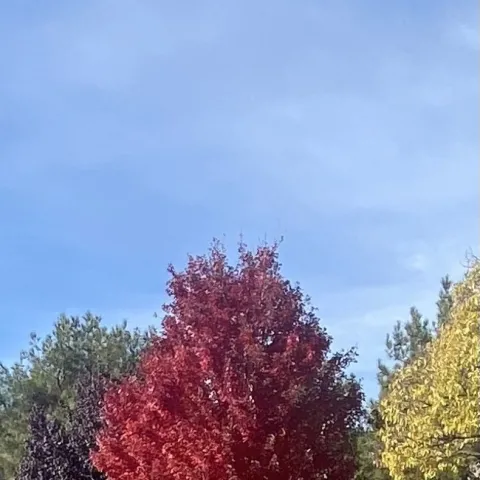
November color Maples, pistache, purple plums View the beauty today...
View Article
Tulare County Cooperative Extension: Article

In A Nutshell December 2024

December 2, 2024
*UCCE Statewide Pistachio Day 2025 Wednesday, January 22, 2025, 8 am 4:15 pm Visalia Convention Center, 303 E Acequia Ave., Visalia, CA 93291 *53rd Tri County Walnut Day - Thursday, February 6, 2025 LOCATION: Tulare County Agricultural Building 4437 S Laspina St.
View Article