A Natural Solution for California's Herds: African Catfish Peptides

California's cattle producers and agricultural communities are all too familiar with the rising challenge of antibiotic resistance, making common bacterial infections harder to treat in livestock. But imagine a future where we could tackle these infections with a natural, powerful alternative. Our research points to just that: antimicrobial peptides (AMPs) found in African catfish.

We're really excited about these peptides because African catfish thrive in pathogen-rich freshwater, naturally producing these robust immune compounds in their skin mucus as a defense. This natural origin makes them highly appealing alternatives to synthetic drugs.

Predicted Safety and Potent Action

One of the most compelling aspects of these AMPs is their predicted safety for mammals. Our initial computer analyses suggest that various catfish AMPs are generally recognized as safe (GRAS). We predict they'll be absorbed in the human intestine without causing liver, brain, or heart toxicity. Furthermore, lab tests on a promising peptide, NACAP-II, confirmed it was non-hemolytic, meaning it didn't damage rabbit red blood cells—a strong indicator of its potential safety for mammalian cells.

Beyond safety, these peptides demonstrate effectiveness against problematic bacteria. One study revealed NACAP-II's strong activity against Extended-Spectrum Beta-Lactamase (ESBL)-producing Escherichia coli—a critical concern for both animal and human health due to its resistance to many common antibiotics. Another peptide, ACAP-IV, also showed antibacterial activity against E. coli and Staphylococcus aureus. We believe these AMPs work by directly disrupting bacterial cell membranes, a mechanism that makes it harder for bacteria to develop resistance compared to how they resist traditional antibiotics.

Article

Giving Tuesday is tomorrow, will you join us?

December 2, 2024
Join us at midnight and be the first to giveor visit us anytime tomorrow as we highlight the impact of our programs across the state. Tomorrow, as people around the world support important causes, donate to the UC Master Gardener Program.
View Article
Primary Image
An overhead shot of a person with one hand holding a coffee mug and the other hand on the mousepad of a laptop.
Pests in the Urban Landscape: Article

2025 Webinars from UC IPM

December 2, 2024
By Lauren Fordyce
Want to learn something new on your lunch break? Join the Urban and Community IPM Webinar Series hosted by UC IPM every third Thursday of the month from 12:00 to 1:00pm. Webinars cover pest identification, prevention, and management around the home, garden, and landscape.
View Article
UC Master Gardener Program of Riverside County: Article

Garden Views, 2024.11 - Nov/Dec 2024

December 2, 2024
In this issue: Rita Clemons, Robin Russell, and Rosa Olaiz update the Master Gardener Riverside County (MGRC) Organization Development project; Pam Elias celebrates the winners of the Cathy Konyn Memorial Award for 2022-2023 and 2023-2024; Announcing Recognition for Volunteer Hours and Anne Platzer;...
View Article
Nutrition Policy Institute News: Article

New policy briefs highlight the need for expanded shopping options and smartphone app modifications to help WIC participants redeem food benefits

December 2, 2024
By Lorrene D Ritchie, Danielle Lee
Nutrition Policy Institute, in collaboration with the National WIC Association and Pepperdine University, released two policy briefs encouraging modernization efforts for the federal Special Supplemental Nutrition Program for Women, Infants and Children, commonly known as WIC.
View Article
Primary Image
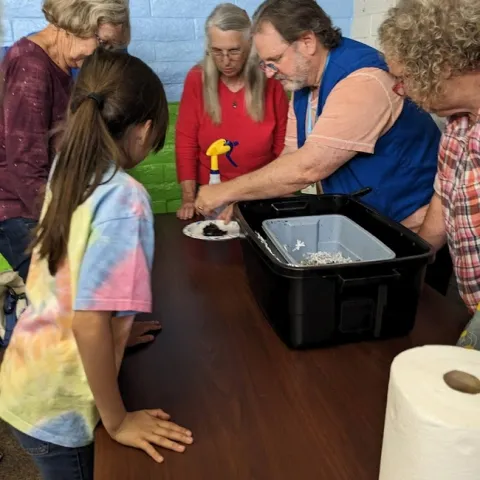
Man standing over a bin with participants watching.
The Stanislaus Sprout: Article

Why I Give to the UC Master Gardener Program

December 2, 2024
By Anne E Schellman
Being a UC Master Gardener has had a huge impact on my life. I love learning new things, discovering how nature works, teaching others, and giving back. When I retired, I looked for ways to continue to gain new knowledge and contribute to my community.
View Article
Primary Image
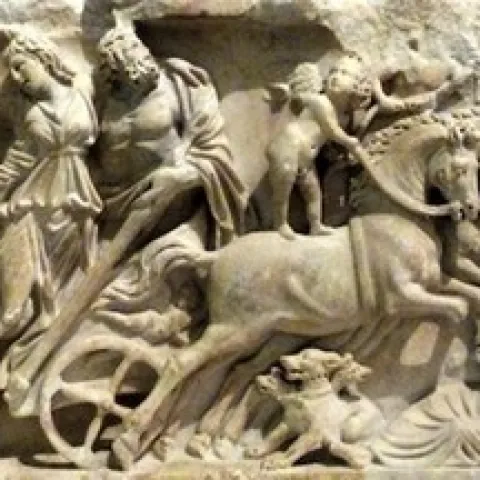
Persephone and other Greek people in statues with a chariot

The Period of Persephone

December 2, 2024
By Help Desk Team
To explain seasonal changes, the ancient Greeks told the story of Persephone, goddess of the Spring, who was abducted by Hades and taken to the underworld. Her mother Demeter, goddess of Agriculture, was filled with grief and neglected the earth, creating a famine.
View Article
UC Master Gardener Program Statewide Blog: Article

December Garden Tips - Wrapping Up the Garden Year

December 2, 2024
By Barbra Braaten
As we prepare to close the chapter on another year in our gardens, December offers us time to reflect, protect, and celebrate. This month bridges the gap between this year's achievements and next year's possibilities.
View Article