A Natural Solution for California's Herds: African Catfish Peptides

California's cattle producers and agricultural communities are all too familiar with the rising challenge of antibiotic resistance, making common bacterial infections harder to treat in livestock. But imagine a future where we could tackle these infections with a natural, powerful alternative. Our research points to just that: antimicrobial peptides (AMPs) found in African catfish.

We're really excited about these peptides because African catfish thrive in pathogen-rich freshwater, naturally producing these robust immune compounds in their skin mucus as a defense. This natural origin makes them highly appealing alternatives to synthetic drugs.

Predicted Safety and Potent Action

One of the most compelling aspects of these AMPs is their predicted safety for mammals. Our initial computer analyses suggest that various catfish AMPs are generally recognized as safe (GRAS). We predict they'll be absorbed in the human intestine without causing liver, brain, or heart toxicity. Furthermore, lab tests on a promising peptide, NACAP-II, confirmed it was non-hemolytic, meaning it didn't damage rabbit red blood cells—a strong indicator of its potential safety for mammalian cells.

Beyond safety, these peptides demonstrate effectiveness against problematic bacteria. One study revealed NACAP-II's strong activity against Extended-Spectrum Beta-Lactamase (ESBL)-producing Escherichia coli—a critical concern for both animal and human health due to its resistance to many common antibiotics. Another peptide, ACAP-IV, also showed antibacterial activity against E. coli and Staphylococcus aureus. We believe these AMPs work by directly disrupting bacterial cell membranes, a mechanism that makes it harder for bacteria to develop resistance compared to how they resist traditional antibiotics.
Primary Image
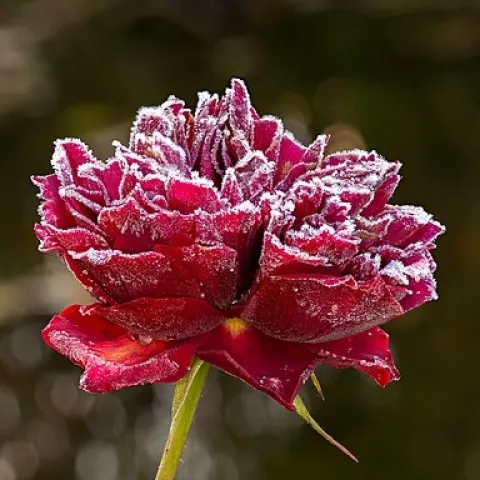
David Austin Rose, The Squire, with hoarfrost on it Wikimedia
Fresno Gardening Green: Article

Rosie's corner: December is a time of rest for roses

December 1, 2024
I can't believe that the New Year is less than a month away! Hope all is well with you and yours and that the New Year brings love and joy and lots of roses! So, what do we do in the rose garden in December? This month is a month of rest.
View Article
Primary Image
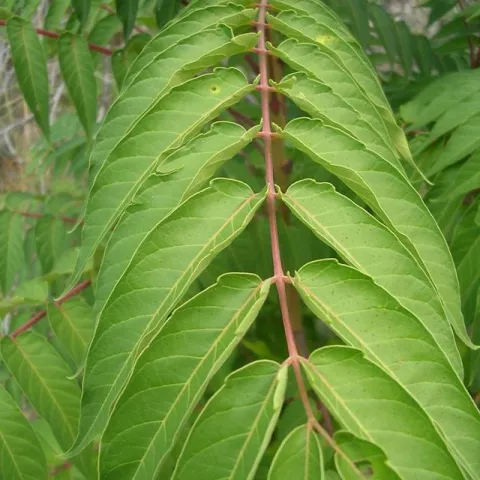
Ailanthus altissima, leaves. (Tom Hixson)

Tree of Heaven???

November 30, 2024
by Tom Hixson, UC Master Gardener of Napa County Most Napa Valley residents recognize the plant known as tree of heaven when they see it sprouting wild in fields, taking over their gardens or defiantly establishing itself in sidewalk cracks.
View Article
Primary Image
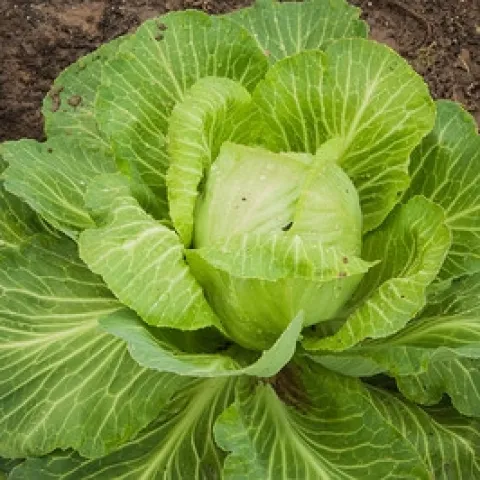
Green cabbage plant
Fresno Gardening Green: Article

Extend the gardening season with cool weather crops

November 29, 2024
As cooler temperatures begin to settle in, some gardeners believe their gardening season is over. But the conclusion of scorching summer heat often reaching 115F in Fresno County does not signal the end of your gardening activities. In fact, it is an ideal time for planting cool-season vegetables.
View Article
Primary Image
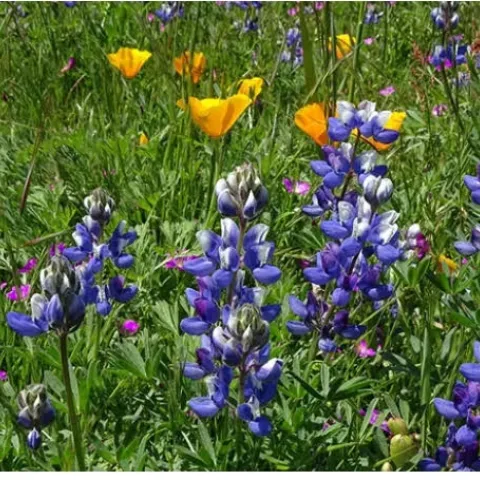
Poppies and lupines
Fresno Gardening Green: Article

This week in the garden: Nov. 29 - Dec. 5

November 29, 2024
Cultivate planting beds lightly to prevent weed germination. Tasks Monitor rainfall and adjust automatic sprinklers accordingly. If rainfall is adequate, warm-season grasses require no supplemental irrigation. Spray stone-fruit, apple, pear, nut and flowering trees and roses with dormant oil spray.
View Article
Primary Image
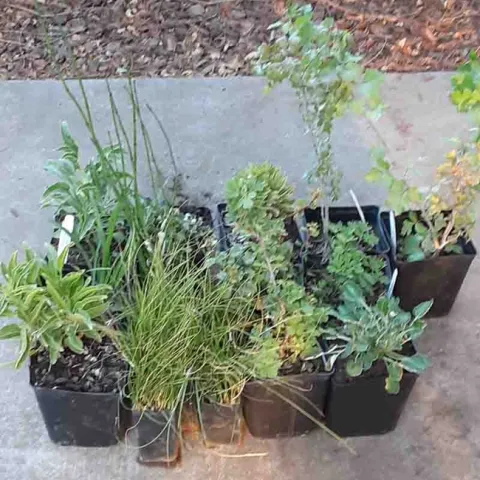
A selection of California natives ready to plant in the ground. Cindy Weiner

Planting Natives from Pots

November 29, 2024
While it's certainly possible to start California native perennials, shrubs and trees from seed, most people buy plants that are growing in pots to transplant to the yard. By far the best time for planting natives is October through late winter. The weather is cool and nature helps with irrigation.
View Article
Primary Image
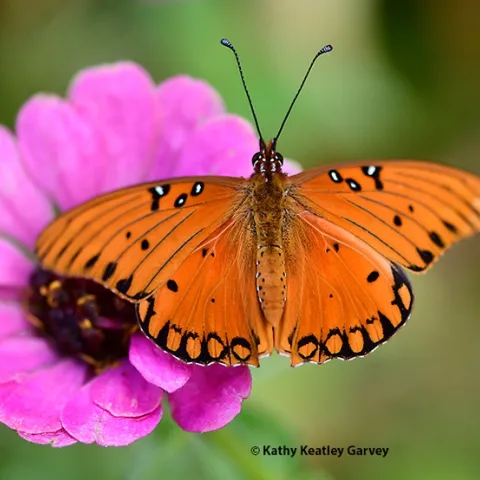
A newly eclosed Gulf Fritillary suns itself on a zinnia in a Vacaville garden. (Photo by Kathy Keatley Garvey)
Bug Squad: Article

Last of Its Generation

November 28, 2024
By Kathy Keatley Garvey
Look, over there! It's Thanksgiving Week and there's a newly eclosed Gulf Fritillary on a tattered pink zinnia "that looks as it has seen better days," as my mother used to say. The orange of autumn exploding, the silver of yultide beckoning. Silver and bold...
View Article