A Natural Solution for California's Herds: African Catfish Peptides

California's cattle producers and agricultural communities are all too familiar with the rising challenge of antibiotic resistance, making common bacterial infections harder to treat in livestock. But imagine a future where we could tackle these infections with a natural, powerful alternative. Our research points to just that: antimicrobial peptides (AMPs) found in African catfish.

We're really excited about these peptides because African catfish thrive in pathogen-rich freshwater, naturally producing these robust immune compounds in their skin mucus as a defense. This natural origin makes them highly appealing alternatives to synthetic drugs.

Predicted Safety and Potent Action

One of the most compelling aspects of these AMPs is their predicted safety for mammals. Our initial computer analyses suggest that various catfish AMPs are generally recognized as safe (GRAS). We predict they'll be absorbed in the human intestine without causing liver, brain, or heart toxicity. Furthermore, lab tests on a promising peptide, NACAP-II, confirmed it was non-hemolytic, meaning it didn't damage rabbit red blood cells—a strong indicator of its potential safety for mammalian cells.

Beyond safety, these peptides demonstrate effectiveness against problematic bacteria. One study revealed NACAP-II's strong activity against Extended-Spectrum Beta-Lactamase (ESBL)-producing Escherichia coli—a critical concern for both animal and human health due to its resistance to many common antibiotics. Another peptide, ACAP-IV, also showed antibacterial activity against E. coli and Staphylococcus aureus. We believe these AMPs work by directly disrupting bacterial cell membranes, a mechanism that makes it harder for bacteria to develop resistance compared to how they resist traditional antibiotics.
Primary Image
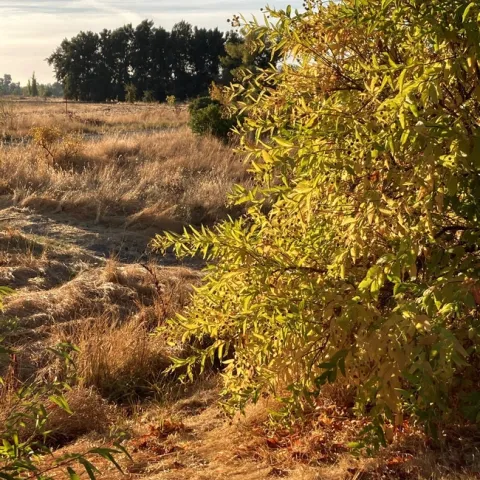
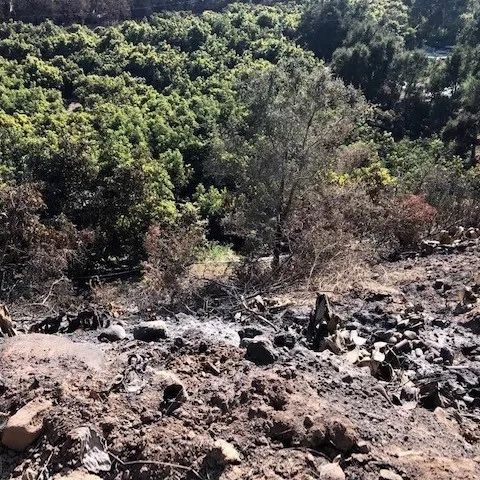
scorched tree
Topics in Subtropics: Article

Figuring the Loss of Trees

November 18, 2024
By Ben A Faber
UC Davis Ag Econ Department has put together a set of crop loss calculators in Excel. They are generic, but also specific to lemon and avocado. If you have had damage from the recent fire, take a look at them.
View Article
Primary Image
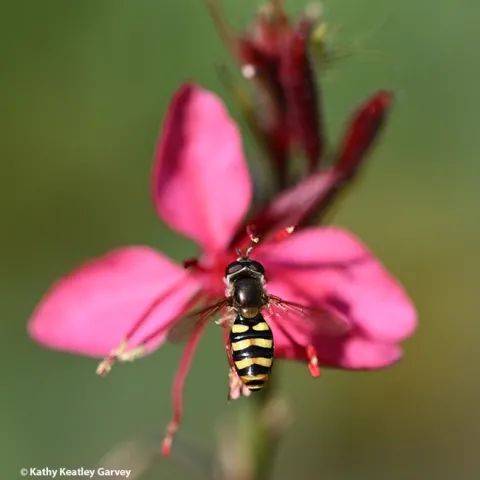
A syrphid fly heads for a Gaura in a Vacaville garden. (Photo by Kathy Keatley Garvey)
Bug Squad: Article

It's Friday Fly Day!

November 15, 2024
By Kathy Keatley Garvey
It's Friday Fly Day and what an appropriate day to honor a syrphid fly. This syrphid, caught in flight, was seeking nectar from a Gaura, a genus of flowering plants in the family Onagraceae, native to North America.
View Article
Primary Image
IMG 1135
Under the Solano Sun: Article

Momijigari

November 15, 2024
I have recently been slowly reading The Japanese Art of Living, An Invitation to Celebrate Every Day, by Natalie Leon (Watkins Publishing, 2024). The Japanese have 72 micro seasons and pay much closer attention to nature.
View Article
Primary Image
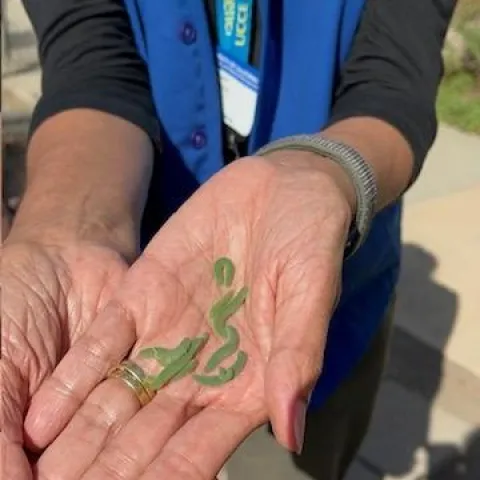
Hand holding multiple caterpillars.
The Stanislaus Sprout: Article

Cabbage Loopers – Not just pests of cabbage!

November 15, 2024
By Anne E Schellman
My cold season garden is planted with plenty of broccoli and cauliflower. Last week I noticed holes chewed in the leaves. I looked underneath and sure enough, I have cabbage loopers.
View Article
Primary Image
fire coming into orchard
Topics in Subtropics: Article

Fire in the Orchard

November 15, 2024
By Ben A Faber
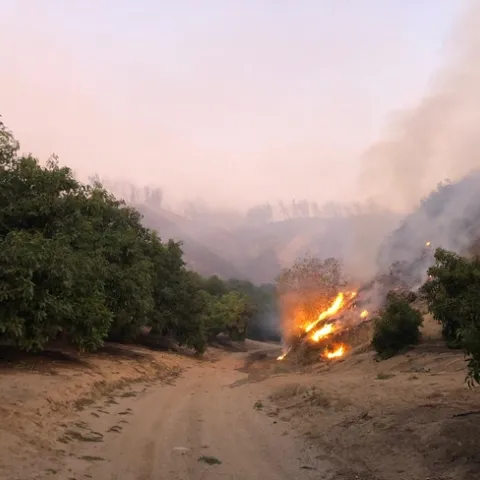
The very fact that avocados can be grown in hard to get to places means that the trees are also in areas that are subject to wildfire damage. Recently several hundred acres of avocado burned in the Fillmore/Santa Paula foothills. The fire was fanned by high winds and low humidity.
View Article
Primary Image
Smiling women in a group holding wreaths they made.
The Stanislaus Sprout: Article

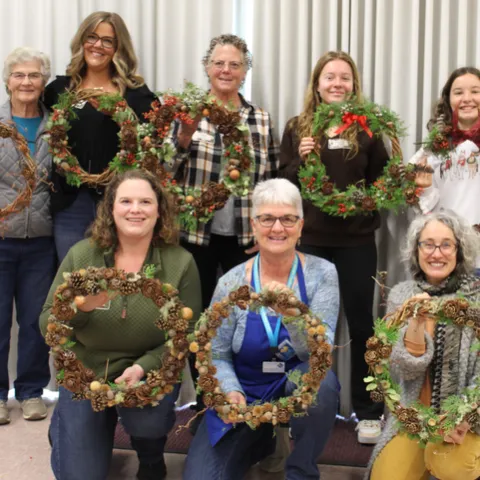
A few spaces left for Nature's Wreath Workshop, Nov 23, 2024

November 15, 2024
By Anne E Schellman
The holidays are nearly here, and we still have space left in our Nature's Wreath Workshop! After the colorful autumn leaves fall, the landscape can seem bare due to plants dying back or going dormant. Despite that, much splendor can still be found in nature this time of year.
View Article
Primary Image
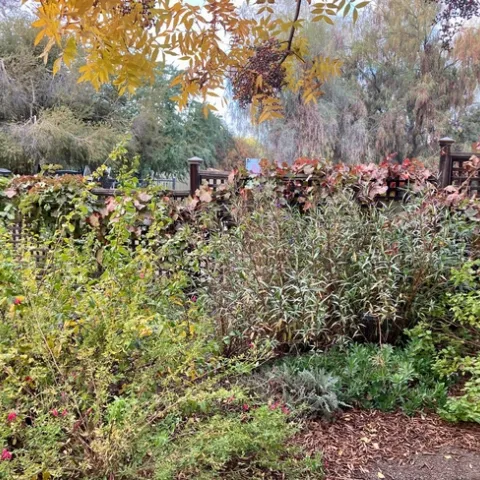
A winter garden has its own quiet appeal. This serene corner is at the Clovis Botanical Garden. (Photo: Jeannette Warnert)
Fresno Gardening Green: Article

This week in the garden: Nov. 14 - 20

November 15, 2024
A devoted gardener would rather give or receive tools, plants, or a unique garden treasure than gold, diamonds or pearls. Tasks Monitor ground moisture, especially in beds and under eaves and patios. Store unused fertilizers and pesticides in a dry place.
View Article
Primary Image
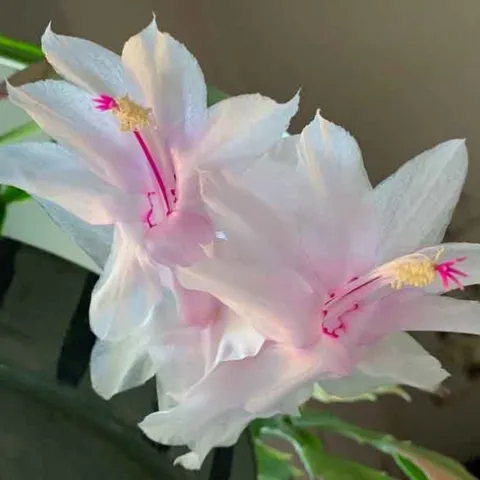
White Thanksgiving cactus flowers. Laura Kling
The Real Dirt: Article

Cactus from the Rainforest: Christmas Cactus

November 15, 2024
Imagine a mountainous and remote rainforest along the ocean coast. Whisps of fog drift through the trees as cascades of colorful flowers sweep down from plants perched high on the tree limbs.
View Article