A Natural Solution for California's Herds: African Catfish Peptides

California's cattle producers and agricultural communities are all too familiar with the rising challenge of antibiotic resistance, making common bacterial infections harder to treat in livestock. But imagine a future where we could tackle these infections with a natural, powerful alternative. Our research points to just that: antimicrobial peptides (AMPs) found in African catfish.

We're really excited about these peptides because African catfish thrive in pathogen-rich freshwater, naturally producing these robust immune compounds in their skin mucus as a defense. This natural origin makes them highly appealing alternatives to synthetic drugs.

Predicted Safety and Potent Action

One of the most compelling aspects of these AMPs is their predicted safety for mammals. Our initial computer analyses suggest that various catfish AMPs are generally recognized as safe (GRAS). We predict they'll be absorbed in the human intestine without causing liver, brain, or heart toxicity. Furthermore, lab tests on a promising peptide, NACAP-II, confirmed it was non-hemolytic, meaning it didn't damage rabbit red blood cells—a strong indicator of its potential safety for mammalian cells.

Beyond safety, these peptides demonstrate effectiveness against problematic bacteria. One study revealed NACAP-II's strong activity against Extended-Spectrum Beta-Lactamase (ESBL)-producing Escherichia coli—a critical concern for both animal and human health due to its resistance to many common antibiotics. Another peptide, ACAP-IV, also showed antibacterial activity against E. coli and Staphylococcus aureus. We believe these AMPs work by directly disrupting bacterial cell membranes, a mechanism that makes it harder for bacteria to develop resistance compared to how they resist traditional antibiotics.
Primary Image
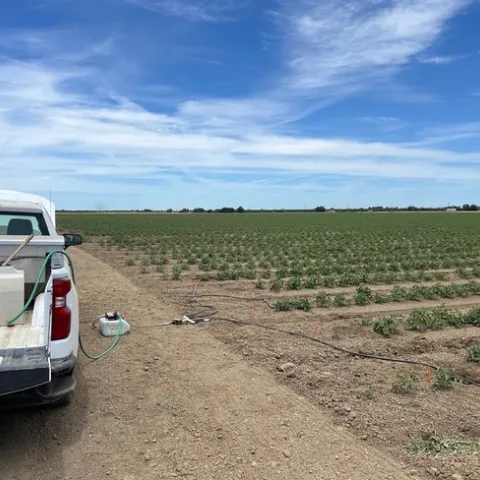
chemigation fig1
UC Weed Science (weed control, management, ecology, and minutia): Article

Large scale demonstration of chemigated rimsulfuron treatments for branched broomrape control in California processing tomato

November 22, 2024
By Brad Hanson
Large scale demonstration of chemigated rimsulfuron treatments for branched broomrape control in California processing tomato Matthew Fatino, Brad Hanson Plant Sciences Department, University of California, Davis Branched broomrape is an obligate holoparasite that can attach to a wide variety of agr...
View Article
Primary Image
Medfly-alone
Topics in Subtropics: Article

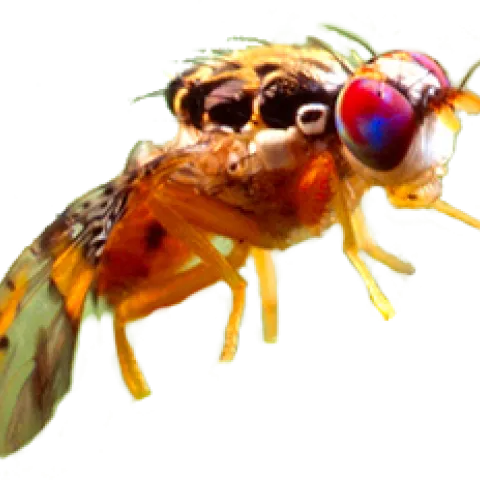
Medfly Quarantine Area Expanded

November 22, 2024
By Ben A Faber
The U.S. Department of Agriculture Animal and Plant Health Inspection Service (USDA/APHIS) and the California Department of Food and Agriculture (CDFA) expanded the Mediterranean fruit fly (Medfly) quarantine in Alameda and Santa Clara counties in California twice in October.
View Article
Primary Image
Fava beans are an attractive and popular cover crop due to their nitrogen-fixing effects in the soil. Photo: Flickr
UC Marin Master Gardeners: Article

December 2024: Giving the Garden a Rest

November 22, 2024
After an especially busy summer and fall harvest season, it was time to consider what to plant next in the Edible Demo Garden. In Marin its possible to grow vegetables year-round, however...
View Article
Primary Image
Bucket of pesticide being applied to plant roots.
Fresno Gardening Green: Article

New ban on certain pesticides goes into effect Jan. 1

November 22, 2024
As of Jan. 1, 2025, the sale of neonicotinoid pesticides will no longer be allowed in retail nurseries and garden centers, and may only be used or possessed in urban settings by licensed applicators under a new law enacted by the California legislature.
View Article
Primary Image
Enjoy the fresh scent and beautiful colors of rain in the garden this weekend. (Photo: Wikimedia Commons)
Fresno Gardening Green: Article

This week in the garden: Nov. 22 - 28

November 22, 2024
Wood ashes are not beneficial in the garden. They have no nutrient value and only a limited value as a deterrent to slugs and snails. Tasks Water citrus trees well now to produce a good crop next year. Check and improve drainage around plants in low areas.
View Article