A Natural Solution for California's Herds: African Catfish Peptides

California's cattle producers and agricultural communities are all too familiar with the rising challenge of antibiotic resistance, making common bacterial infections harder to treat in livestock. But imagine a future where we could tackle these infections with a natural, powerful alternative. Our research points to just that: antimicrobial peptides (AMPs) found in African catfish.

We're really excited about these peptides because African catfish thrive in pathogen-rich freshwater, naturally producing these robust immune compounds in their skin mucus as a defense. This natural origin makes them highly appealing alternatives to synthetic drugs.

Predicted Safety and Potent Action

One of the most compelling aspects of these AMPs is their predicted safety for mammals. Our initial computer analyses suggest that various catfish AMPs are generally recognized as safe (GRAS). We predict they'll be absorbed in the human intestine without causing liver, brain, or heart toxicity. Furthermore, lab tests on a promising peptide, NACAP-II, confirmed it was non-hemolytic, meaning it didn't damage rabbit red blood cells—a strong indicator of its potential safety for mammalian cells.

Beyond safety, these peptides demonstrate effectiveness against problematic bacteria. One study revealed NACAP-II's strong activity against Extended-Spectrum Beta-Lactamase (ESBL)-producing Escherichia coli—a critical concern for both animal and human health due to its resistance to many common antibiotics. Another peptide, ACAP-IV, also showed antibacterial activity against E. coli and Staphylococcus aureus. We believe these AMPs work by directly disrupting bacterial cell membranes, a mechanism that makes it harder for bacteria to develop resistance compared to how they resist traditional antibiotics.
Primary Image
photos by Nanelle Jones-Sullivan
Under the Solano Sun: Article

The Mystery of the Free Trees

October 4, 2024
Last year, I became a member of the Arbor Day Tree Foundation, and was offered ten free trees. For my zone, I chose Crepe Myrtles, which are fairly drought tolerant, flower all summer, and have fall foliage and lovely bark.
View Article
Primary Image
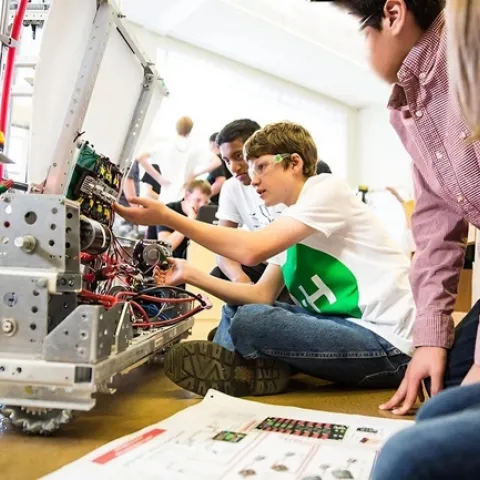
Young people work on a robot
Healthy Communities Blog: Article

4-H ag tech breakfast to support next generation of leaders, innovators

October 4, 2024
By Michael Hsu
The FIRA USA ag tech conference, Oct. 22-24 in Woodland, showcases the latest robotics and automation innovations. A special breakfast during the event will support tomorrow's leaders, scientists and engineers who will realize the potential of those technologies.
View Article
Article

COVID-19 is still affecting our lives

October 4, 2024
By Pamela S Kan-Rice
Dear Colleagues, It has been over four years since the COVID-19 pandemic has started, and while nearly all of us have returned to in-person work and activities, COVID-19 is still having an impact on our lives in a much different form than at the beginning.
View Article
Primary Image
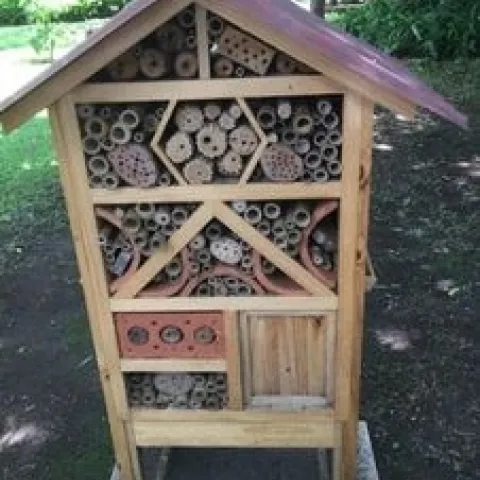
bee hotel
Topics in Subtropics: Article

Bee Hotels and Bee Gardens - the Difference

October 4, 2024
By Ben A Faber
Bee Hotels and Gardens Applications and Limitations The model of a Bee Hotel' has been a useful tool for surveying insects in research studies for decades.
View Article
Primary Image
Long view of modern dry garden at Tofuku-ji Temple in Kyoto. J.C. Lawrence
The Real Dirt: Article

Japanese Gardens

October 4, 2024
Looking for some garden inspiration? Let's do some armchair travelling across the Pacific to one of the world's loveliest places for garden viewing: Kyoto, Japan.
View Article
Primary Image
Luis Espino, UC ANR advisor, always committed to the future of sustainable agriculture in California.
Abriendo Caminos: Article

Luis Espino: El experto en arroz que encontró su vocación por casualidad

October 3, 2024
By Diana Cervantes
Luis Espino, agrnomo graduado en Per, es Asesor de Cultivos de Arroz en la Extensin Cooperativa del Condado de Butte de la Universidad de California (UC ANR). Su trayectoria en la agricultura comenz con una decisin clara: "Escog la agricultura porque quera algo prctico.
View Article
Primary Image
bugsquadblog

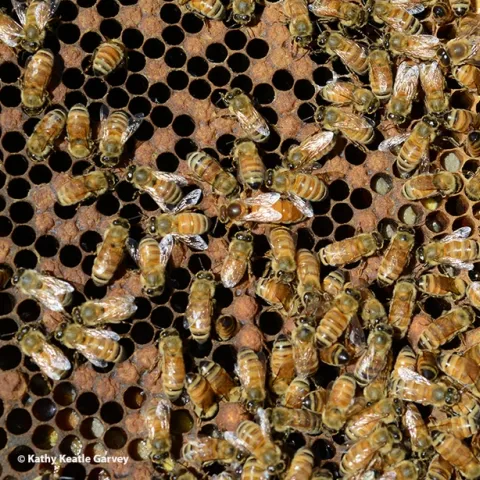
Zeroing in on Honey Bees

October 3, 2024
By Kathy Keatley Garvey
The next seminar hosted by the UC Davis Department of Entomology and Nematology promises to be of great interest to bee scientists, beekeepers, and all those who want to learn more about honey bees.
View Article
Salinas Valley Agriculture: Article

2024 Pest Management Meeting

October 3, 2024
By Yu-Chen Wang
2024 Pest Management Meeting Sponsor: UCCE Monterey County Date: Thursday, November 14, 2024 Location: Agricultural Center Meeting Room (1432 Abbott St, Salinas CA) Time: 7:55 am-12:15 pm Pre-registration is encouraged: https://surveys.ucanr.edu/survey.
View Article