A Natural Solution for California's Herds: African Catfish Peptides

California's cattle producers and agricultural communities are all too familiar with the rising challenge of antibiotic resistance, making common bacterial infections harder to treat in livestock. But imagine a future where we could tackle these infections with a natural, powerful alternative. Our research points to just that: antimicrobial peptides (AMPs) found in African catfish.

We're really excited about these peptides because African catfish thrive in pathogen-rich freshwater, naturally producing these robust immune compounds in their skin mucus as a defense. This natural origin makes them highly appealing alternatives to synthetic drugs.

Predicted Safety and Potent Action

One of the most compelling aspects of these AMPs is their predicted safety for mammals. Our initial computer analyses suggest that various catfish AMPs are generally recognized as safe (GRAS). We predict they'll be absorbed in the human intestine without causing liver, brain, or heart toxicity. Furthermore, lab tests on a promising peptide, NACAP-II, confirmed it was non-hemolytic, meaning it didn't damage rabbit red blood cells—a strong indicator of its potential safety for mammalian cells.

Beyond safety, these peptides demonstrate effectiveness against problematic bacteria. One study revealed NACAP-II's strong activity against Extended-Spectrum Beta-Lactamase (ESBL)-producing Escherichia coli—a critical concern for both animal and human health due to its resistance to many common antibiotics. Another peptide, ACAP-IV, also showed antibacterial activity against E. coli and Staphylococcus aureus. We believe these AMPs work by directly disrupting bacterial cell membranes, a mechanism that makes it harder for bacteria to develop resistance compared to how they resist traditional antibiotics.
Primary Image
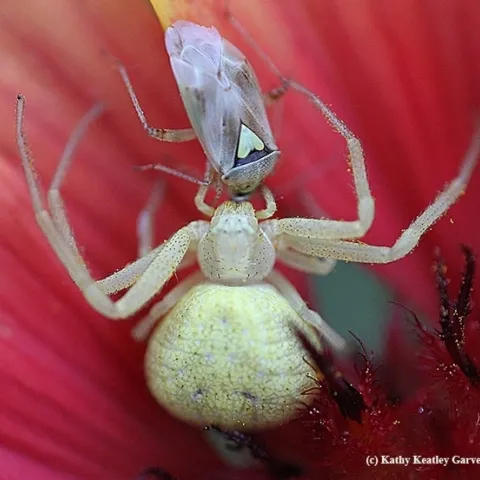
A crab spider eating a lygus bug, an agricultural pest in a Vacaville garden. (Photo by Kathy Keatley Garvey)

Celebrating the Crab Spider in Arachtober

October 9, 2024
By Kathy Keatley Garvey
It's Arachtober and that means celebrating arachnids for the entire month of October. Well, we ought to celebrate them year around, but October is THEIR month.
View Article
Kern County: Article

Green Scene October 2024

October 9, 2024
Next Horticultural Tour - Spain and Portugal, May 2025 Master Gardener Program Webinar for Landscapt Professionals Pruning Shade Trees Tree Care Accidents...
View Article
UC Cooperative Extension Napa County: Article

UCCE Workshop: Living with Wildlife

October 9, 2024
Join UCCE and the Lake County Agricultural Commissioner for a wildlife workshop covering vertebrate pests, feral pigs, beneficial birds, and livestock protection. 12:30-16:30, November 6, 2024 in Lakeport, CA Event is free, but registration is required. 3.
View Article
Monterey County: Article

4-H Leader's Council Meeting October 15, 2024

October 9, 2024
Dear members of the Monterey County 4-H Leaders Council, On Tuesday, October 15, there will be a Council starting at 7pm. This will be held inside the Orradre Building at the Salinas Valley Fairgrounds in King City.
View Article
Primary Image
IMG 0856
Santa Cruz Forests Update: Article

Invasive Shothole Borer Found in Santa Cruz County

October 9, 2024
By Brian Woodward
Folks, we have unfortunately had a confirmed detection of the invasive shothole borer (ISHB) in the Felton area of the Santa Cruz Mountains, near East Zayante Road and Graham Hill Road. This is the first ISHB infestation that has been confirmed in the County.
View Article
Primary Image
dorcas
Topics in Subtropics: Article

A Wonderful Teacher Passes

October 9, 2024
By Ben A Faber
There are all kinds of expressions: We stand on the shoulders who have come before us. No One is an Island. We learn from those around us. I made that last one up, but it really is true. And it's true in Cooperative Extension.
View Article
Primary Image
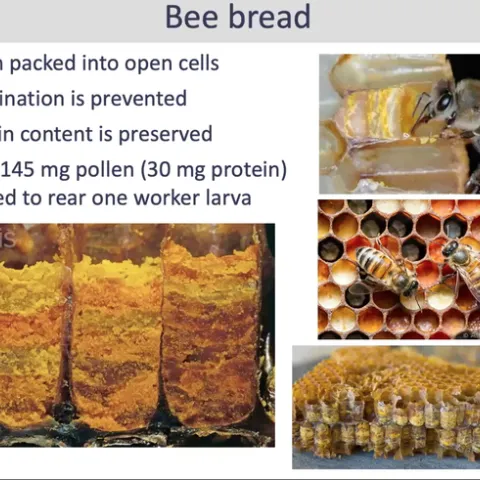
A screen shot from the seminar of apiculturist Juliana Rangel Posada of Texas A&M.

Learning About the Bees and the Nutrition They Need

October 8, 2024
By Kathy Keatley Garvey
If you missed the eagerly anticipated UC Davis Department of Entomology and Nematology seminar by apiculturist Juliana Rangel Posada, an associate professor at Texas A&M and an international leader in honey bee research, not to worry. Her Oct. 7th seminar was recorded.
View Article