A Natural Solution for California's Herds: African Catfish Peptides

California's cattle producers and agricultural communities are all too familiar with the rising challenge of antibiotic resistance, making common bacterial infections harder to treat in livestock. But imagine a future where we could tackle these infections with a natural, powerful alternative. Our research points to just that: antimicrobial peptides (AMPs) found in African catfish.

We're really excited about these peptides because African catfish thrive in pathogen-rich freshwater, naturally producing these robust immune compounds in their skin mucus as a defense. This natural origin makes them highly appealing alternatives to synthetic drugs.

Predicted Safety and Potent Action

One of the most compelling aspects of these AMPs is their predicted safety for mammals. Our initial computer analyses suggest that various catfish AMPs are generally recognized as safe (GRAS). We predict they'll be absorbed in the human intestine without causing liver, brain, or heart toxicity. Furthermore, lab tests on a promising peptide, NACAP-II, confirmed it was non-hemolytic, meaning it didn't damage rabbit red blood cells—a strong indicator of its potential safety for mammalian cells.

Beyond safety, these peptides demonstrate effectiveness against problematic bacteria. One study revealed NACAP-II's strong activity against Extended-Spectrum Beta-Lactamase (ESBL)-producing Escherichia coli—a critical concern for both animal and human health due to its resistance to many common antibiotics. Another peptide, ACAP-IV, also showed antibacterial activity against E. coli and Staphylococcus aureus. We believe these AMPs work by directly disrupting bacterial cell membranes, a mechanism that makes it harder for bacteria to develop resistance compared to how they resist traditional antibiotics.
Primary Image
Hernandez-Brito D., et al.
Garden Notes: Article

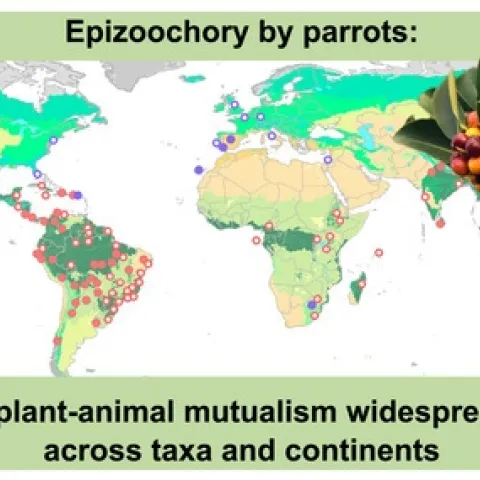
Horticultural Terms — Epizoochory: Another Form of Seed Dispersal

September 25, 2024
In the Summer 2024 edition of this blog, I highlighted the eliasome, a fleshy appendage on some seeds that allows ants to transport them into their nests to feed their young. The seeds are then taken to the ants' compost pile where they often germinate in the rich environment.
View Article
Primary Image
Herb Study Fig 1
Garden Notes: Article

Herb Study – Caraway

September 25, 2024
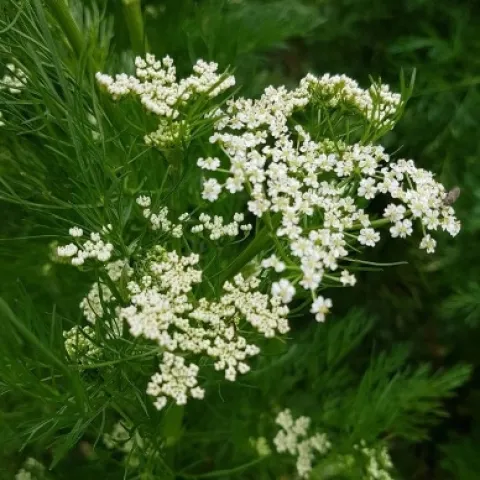
Over the years, my wife and I have converted our home's yard from 1100 ft2 of lawn to a native, edible, and herbal wonderland. We continue to add unique and fragrant herbs that enhance the overall beauty and bounty of our garden.
View Article
Primary Image
Recipes Fig 3
Garden Notes: Article

Recipes from the Garden: A Taste of the Season

September 25, 2024
It's time to gear up for shorter days, longer nights and pumpkin-spice everything! Cranking up the oven is finally sounding like a good idea. Fall lends itself to comforting heartier dishes that are inspired by fall produce, like apples, sweet potatoes, squash, and root vegetables.
View Article

An Urban Forest Council of Our Own

September 25, 2024
In my previous Master Gardener Blog, I took a wonderful walk in the woods. There I described the beauty, wonder and very practical creation of urban forests in Surrey, British Columbia and other Canadian cities.
View Article
Primary Image
graphic by Alexandra Hammond
The Savvy Sage: Article

Fall Equinox

September 25, 2024
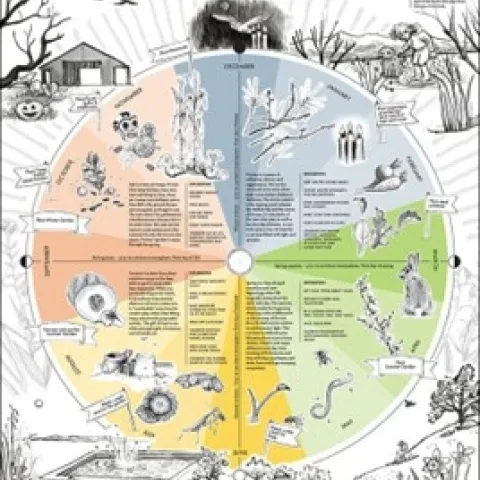
Gardeners live by the seasons, yet modern calendars, set into squares within a month, are not oriented to natural cycles. When writing a book about gardening with children, I created a calendar, with the help of my artist daughter Alexandra Hammond, which reflects the seasons in our valley.
View Article
ANR Employee News: Article

Workplace Violence Prevention Program Training due Oct. 5

September 24, 2024
By Pamela S Kan-Rice
We all play a crucial role in fostering a safe and respectful workplace. As part of UC ANR's Workplace Violence Prevention Program (WVPP), all employees are required to complete a mandatory 25-minute training on Workplace Violence Prevention, as mandated by CA Senate Bill 553 (CA Labor Code 6401.
View Article
Primary Image
A white bucket of clear liquid being poured into a smaller container.
Pests in the Urban Landscape: Article

Mixed up too much of a pesticide? Now what?

September 24, 2024
By Lauren Fordyce
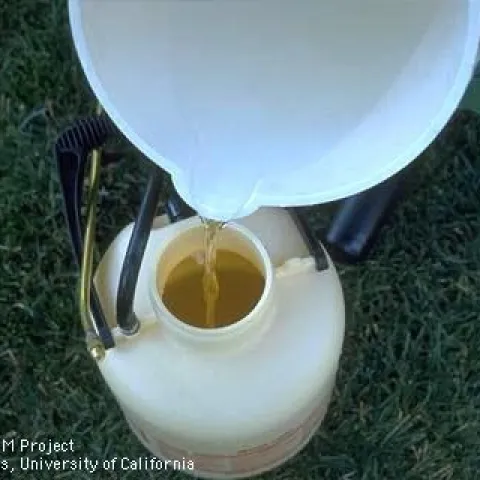
You bought a pesticide product that needs to be mixed with water before applying. Did you accidentally mix up too much and now have leftover pesticide? What should you do with it? Before mixing or applying a pesticide, always read the pesticide label to see where the product can be used (i.e.
View Article
Tulare County Cooperative Extension: Article

September 2024

September 24, 2024
In this Issue: UC Dairy Conference HPAI Updates Navel Disease in Calves BRD Considerations...
View Article