A Natural Solution for California's Herds: African Catfish Peptides

California's cattle producers and agricultural communities are all too familiar with the rising challenge of antibiotic resistance, making common bacterial infections harder to treat in livestock. But imagine a future where we could tackle these infections with a natural, powerful alternative. Our research points to just that: antimicrobial peptides (AMPs) found in African catfish.

We're really excited about these peptides because African catfish thrive in pathogen-rich freshwater, naturally producing these robust immune compounds in their skin mucus as a defense. This natural origin makes them highly appealing alternatives to synthetic drugs.

Predicted Safety and Potent Action

One of the most compelling aspects of these AMPs is their predicted safety for mammals. Our initial computer analyses suggest that various catfish AMPs are generally recognized as safe (GRAS). We predict they'll be absorbed in the human intestine without causing liver, brain, or heart toxicity. Furthermore, lab tests on a promising peptide, NACAP-II, confirmed it was non-hemolytic, meaning it didn't damage rabbit red blood cells—a strong indicator of its potential safety for mammalian cells.

Beyond safety, these peptides demonstrate effectiveness against problematic bacteria. One study revealed NACAP-II's strong activity against Extended-Spectrum Beta-Lactamase (ESBL)-producing Escherichia coli—a critical concern for both animal and human health due to its resistance to many common antibiotics. Another peptide, ACAP-IV, also showed antibacterial activity against E. coli and Staphylococcus aureus. We believe these AMPs work by directly disrupting bacterial cell membranes, a mechanism that makes it harder for bacteria to develop resistance compared to how they resist traditional antibiotics.
Primary Image
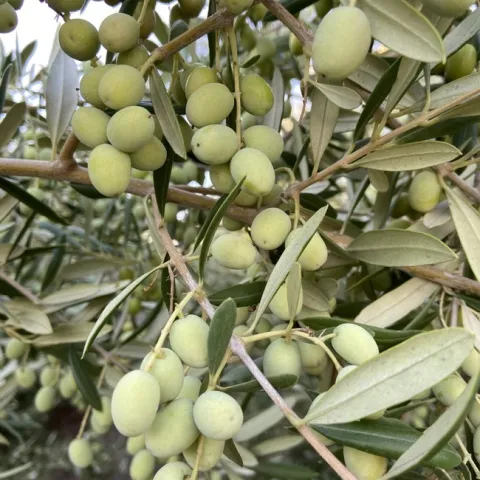
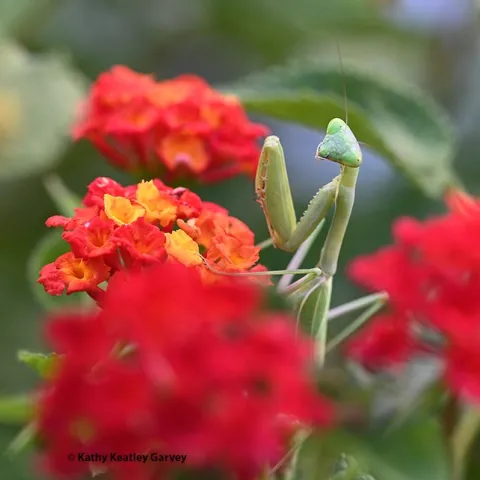
A female praying mantis, Stagmomantis limbata, poses for a portrait in a Lantana patch in a Vacaville garden. (Photo by Kathy Keatley Garvey)

Praying or Preying or Peering

September 24, 2024
By Kathy Keatley Garvey
Praying, preying, or peering? This female praying mantis, a Stagmomantis limbata, selects a patch of red Lantana to watch for pollinators. Her spiked forelegs resting, her eyes always watching but her body as still as a stone, she makes an incredible predator portrait.
View Article
Primary Image
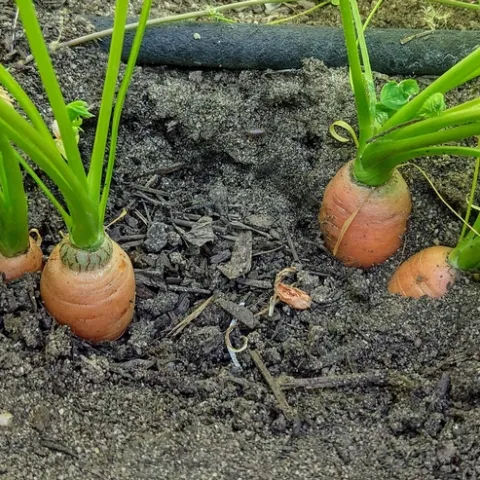
A row of carrots ready to be harvested.
The Stanislaus Sprout: Article

It's the perfect time to plant carrots!

September 23, 2024
By Anne E Schellman
Wondering what to plant right now? Why not try a perennial favorite carrots. This versatile root vegetable can be planted now for winter harvest. Whether you plant multicolored heirloom carrots or grocery store staple orange, now is the perfect time to plant.
View Article
Kern County: Article

Fall 2024

September 23, 2024
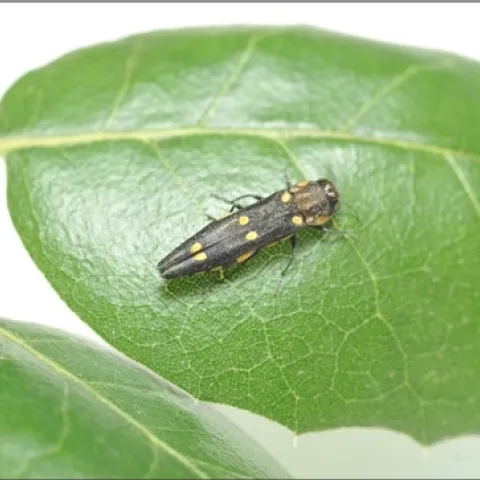
In this issue: Highly Pathogenic Avian Influenza Detected in California Dairies - What Ranchers Need to Know Borel Fire Resources and Livestock Pass Update Gold-spotted Oak Borer When is it Going to Rain?
View Article
Article

UC ANR Interpretation and Translation Services

September 23, 2024
By Pamela S Kan-Rice
In support of our employees and program participants who may require reasonable language accommodations, we are delighted to announce that UC ANR Human Resources has established agreements with new vendors to enhance our interpretation and translation services.
View Article
Primary Image
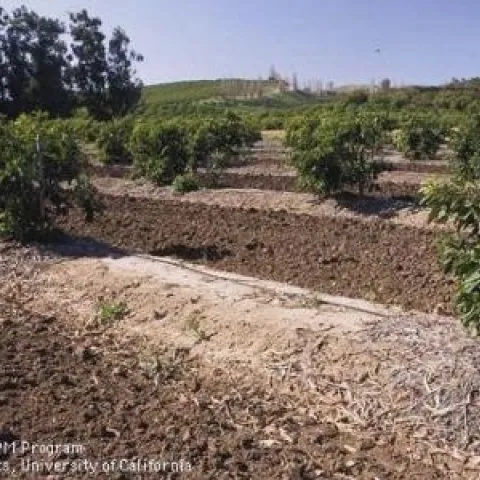
avocado berms
Topics in Subtropics: Article

CA Avocado Acreage

September 23, 2024
By Ben A Faber
Each year the California Avocado Commission partners with Land IQ to produce a Statewide Avocado Acreage and Condition Analysis report utilizing digital satellite imagery, aerial photography and analytical tools to survey California avocado groves.
View Article