A Natural Solution for California's Herds: African Catfish Peptides

California's cattle producers and agricultural communities are all too familiar with the rising challenge of antibiotic resistance, making common bacterial infections harder to treat in livestock. But imagine a future where we could tackle these infections with a natural, powerful alternative. Our research points to just that: antimicrobial peptides (AMPs) found in African catfish.

We're really excited about these peptides because African catfish thrive in pathogen-rich freshwater, naturally producing these robust immune compounds in their skin mucus as a defense. This natural origin makes them highly appealing alternatives to synthetic drugs.

Predicted Safety and Potent Action

One of the most compelling aspects of these AMPs is their predicted safety for mammals. Our initial computer analyses suggest that various catfish AMPs are generally recognized as safe (GRAS). We predict they'll be absorbed in the human intestine without causing liver, brain, or heart toxicity. Furthermore, lab tests on a promising peptide, NACAP-II, confirmed it was non-hemolytic, meaning it didn't damage rabbit red blood cells—a strong indicator of its potential safety for mammalian cells.

Beyond safety, these peptides demonstrate effectiveness against problematic bacteria. One study revealed NACAP-II's strong activity against Extended-Spectrum Beta-Lactamase (ESBL)-producing Escherichia coli—a critical concern for both animal and human health due to its resistance to many common antibiotics. Another peptide, ACAP-IV, also showed antibacterial activity against E. coli and Staphylococcus aureus. We believe these AMPs work by directly disrupting bacterial cell membranes, a mechanism that makes it harder for bacteria to develop resistance compared to how they resist traditional antibiotics.
Primary Image
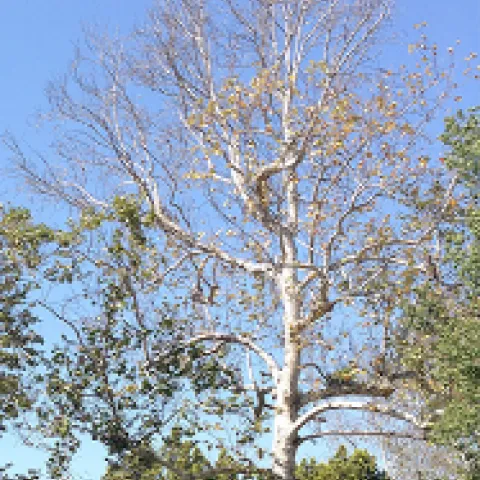
Figure 1. Young branches dying. Photo courtesy of UCANR.
UC Master Gardener Program of Contra Costa County: Article

Invasive beetle known for killing trees spotted in the Bay Area

September 26, 2024
by Dorothy Abeyta The headline above appeared recently in the SF Chronicle, on Facebook, X, and local news sources, but the Invasive Shot Hole Borers (ISHB) have been in the Bay Area since last year when they were spotted in north San Jose.
View Article
Primary Image
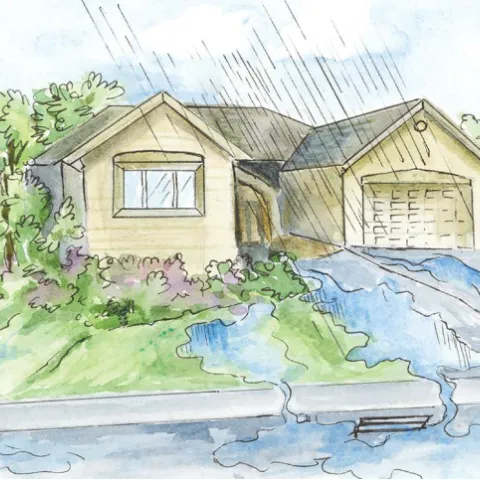
Classic “urban drool”. Photo courtesy of QWEL.net
UC Master Gardener Program of Contra Costa County: Article

Planting the Rain: A Guide for Passive Rainwater Harvesting

September 26, 2024
by Lori Palmquist Autumn has arrived, and we anticipate (actually, hope for) a healthy bounty of liquid refreshment from the sky this season and the next. We all know that fall is the best time to plant. Its also the best time to start planting the rain.
View Article
Primary Image
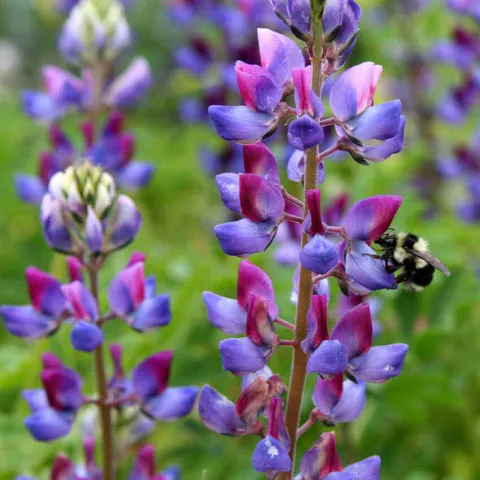
Arroyo or Succulent Lupine (Lupinus succulentus). Photo courtesy of Annie’s Annuals & Perennials.
UC Master Gardener Program of Contra Costa County: Article

Plant Natives this Fall

September 26, 2024
by Robin Mitchell Because California is a biodiversity hotspot, that is threatened by many factors, it is important to plant native plants in our gardens, even in urban and suburban areas.
View Article
Primary Image
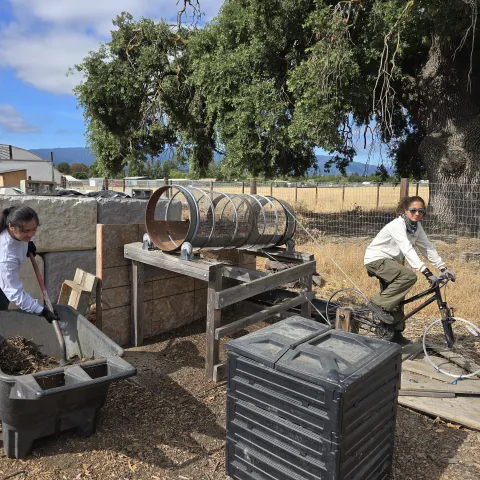
Two people sifting raw compost using a bike propelled trommel screen, one loading with a shovel, the other peddling the bike

Feature on UCCE Compost Demonstration Site

September 26, 2024
By Michael Cohen
Our site at Martial Cottle Park for demonstrating small-scale composting and vermicomposting was the focus of this recent feature article and video by UCANR Strategic Communications: News & Events - Division of Agriculture and Natural Resources...
View Article
UC Cooperative Extension San Diego County : Article

Issue 009

September 26, 2024
Fall, September 2024, Issue 009...
View Article
Primary Image
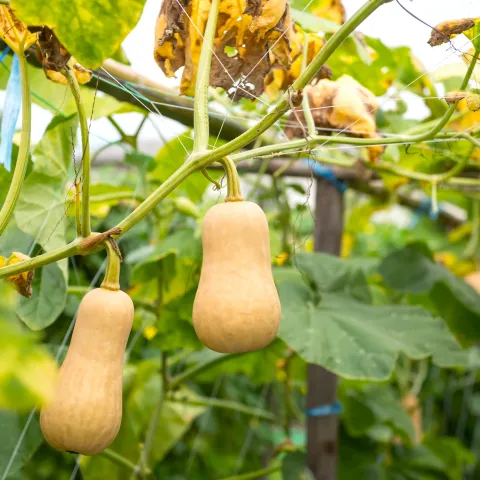
Butternut squash are excellent winter product. Photo courtesy Shutterstock
UC Master Gardener Program of Contra Costa County: Article

Growing Winter Veggies on Patios

September 26, 2024
by David George There is a crispness in the air, which means that autumn is right around the corner. Fall also marks the time when the growing season comes to an end across most of the US.
View Article
Primary Image
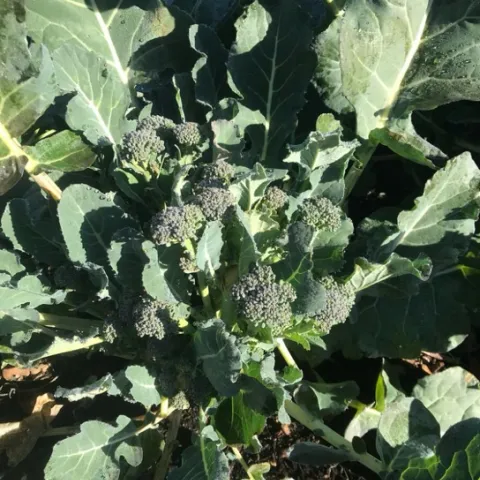
Plant something else - broccoli. Photo courtesy of Greg Letts.
UC Master Gardener Program of Contra Costa County: Article

Prepping Vegetable Beds for Winter

September 26, 2024
by Greg Letts So, you have harvested the last of your tomatoes and peppers for the year. Now what? Lets start with dispelling the myth that your veggie beds need to rest. Your vegetable beds don't need to rest during the off-season. In fact, it's much better for your soil to stay active.
View Article
Primary Image
Photo courtesy of Anne Sutherland.
UC Master Gardener Program of Contra Costa County: Article

Introducing a New Contra Costa Master Gardener Project

September 26, 2024
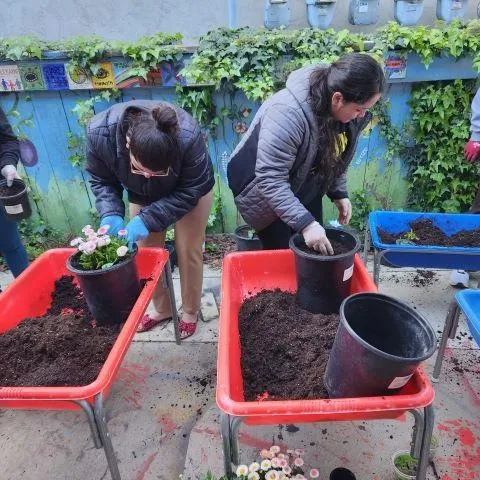
by Anne Sutherland In our big, vibrant county, Spanish is spoken in nearly 30% of households. As most of you know, English is typically spoken at our talks, Farmers Market tables, and in our videos...
View Article