A Natural Solution for California's Herds: African Catfish Peptides

California's cattle producers and agricultural communities are all too familiar with the rising challenge of antibiotic resistance, making common bacterial infections harder to treat in livestock. But imagine a future where we could tackle these infections with a natural, powerful alternative. Our research points to just that: antimicrobial peptides (AMPs) found in African catfish.

We're really excited about these peptides because African catfish thrive in pathogen-rich freshwater, naturally producing these robust immune compounds in their skin mucus as a defense. This natural origin makes them highly appealing alternatives to synthetic drugs.

Predicted Safety and Potent Action

One of the most compelling aspects of these AMPs is their predicted safety for mammals. Our initial computer analyses suggest that various catfish AMPs are generally recognized as safe (GRAS). We predict they'll be absorbed in the human intestine without causing liver, brain, or heart toxicity. Furthermore, lab tests on a promising peptide, NACAP-II, confirmed it was non-hemolytic, meaning it didn't damage rabbit red blood cells—a strong indicator of its potential safety for mammalian cells.

Beyond safety, these peptides demonstrate effectiveness against problematic bacteria. One study revealed NACAP-II's strong activity against Extended-Spectrum Beta-Lactamase (ESBL)-producing Escherichia coli—a critical concern for both animal and human health due to its resistance to many common antibiotics. Another peptide, ACAP-IV, also showed antibacterial activity against E. coli and Staphylococcus aureus. We believe these AMPs work by directly disrupting bacterial cell membranes, a mechanism that makes it harder for bacteria to develop resistance compared to how they resist traditional antibiotics.
Primary Image
NVTSchedule-01
UC Master Gardener Program of Contra Costa County: Article

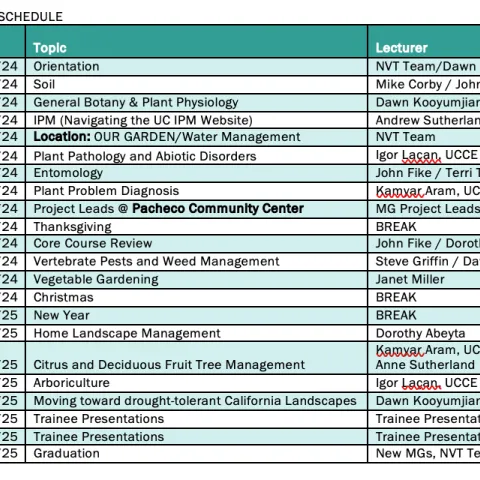
New Volunteer Training Schedule Unveiled

September 15, 2024
By Dorothy Abeyta and John Fike The New Volunteer Training team headed by John Fike and Dorothy Abeyta prepares to launch 17 weekly training sessions for the Class of 2025. The sessions occur Thursday afternoons from 1:00 PM to 7:00 PM at the UCCE Bisso Lane Office in Concord.
View Article
Primary Image
LeafBeetle-03
UC Master Gardener Program of Contra Costa County: Article

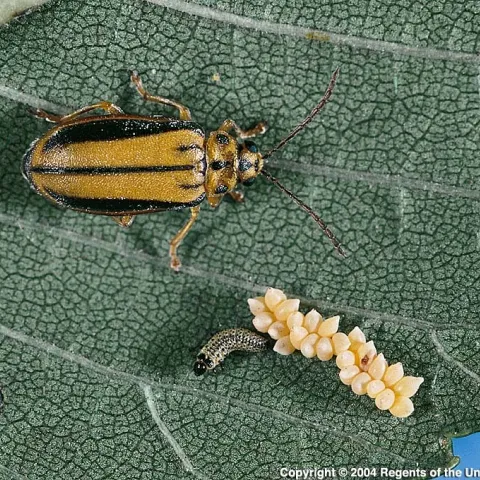
Elm Leaf Beetle Causes Considerable Damage

September 15, 2024
Clients question Hello, I was given a business card and told to contact you. I have attached photos of a bug thats killing the leaves on my tree. What is it? Susan Hecklys response Thank you for contacting the UC Master Gardener Program Help Desk.
View Article
UCCE Lassen County: Article

Summer 2024

September 13, 2024
Blister beetles, Grasshoppers, Endangered Species Act, & Common crupina...
View Article
Primary Image
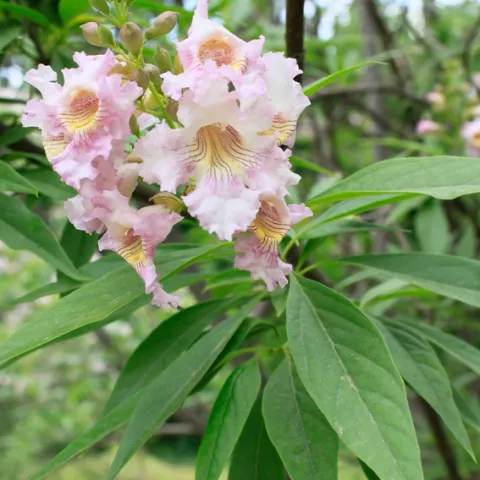
Pink blooms of chitalpa trees.
Fresno Gardening Green: Article

This week in the garden: Sept. 13 - 19

September 13, 2024
If you don't have a fall or winter garden, prepare for spring planting. Tasks Repair damaged spots in cool-season lawns (such as tall fescue) by scratching with a rake, seeding and covering with mulch. Keep moist until the new grass seedlings are well established.
View Article
Primary Image
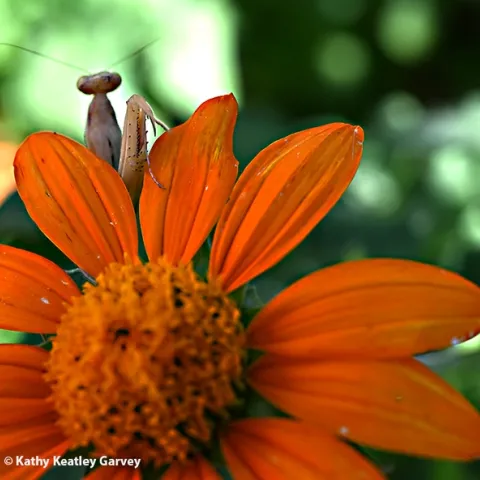
A female praying mantis, Mantis religiosa, pops up between the petals of a Mexican sunflower, Tithonia rotundifola. Surprise! (Photo by Kathy Keatley Garvey)
Bug Squad: Article

Jackie-in-the-Box

September 12, 2024
By Kathy Keatley Garvey
In your childhood, somebody probably gave you a jack-in-the-box toy, a music box that you crank up, and then the lid springs opens and out pops a wildly dressed clown, startling you and everyone around you. A praying mantis sighting is something like that, but without the music box.
View Article