A Natural Solution for California's Herds: African Catfish Peptides

California's cattle producers and agricultural communities are all too familiar with the rising challenge of antibiotic resistance, making common bacterial infections harder to treat in livestock. But imagine a future where we could tackle these infections with a natural, powerful alternative. Our research points to just that: antimicrobial peptides (AMPs) found in African catfish.

We're really excited about these peptides because African catfish thrive in pathogen-rich freshwater, naturally producing these robust immune compounds in their skin mucus as a defense. This natural origin makes them highly appealing alternatives to synthetic drugs.

Predicted Safety and Potent Action

One of the most compelling aspects of these AMPs is their predicted safety for mammals. Our initial computer analyses suggest that various catfish AMPs are generally recognized as safe (GRAS). We predict they'll be absorbed in the human intestine without causing liver, brain, or heart toxicity. Furthermore, lab tests on a promising peptide, NACAP-II, confirmed it was non-hemolytic, meaning it didn't damage rabbit red blood cells—a strong indicator of its potential safety for mammalian cells.

Beyond safety, these peptides demonstrate effectiveness against problematic bacteria. One study revealed NACAP-II's strong activity against Extended-Spectrum Beta-Lactamase (ESBL)-producing Escherichia coli—a critical concern for both animal and human health due to its resistance to many common antibiotics. Another peptide, ACAP-IV, also showed antibacterial activity against E. coli and Staphylococcus aureus. We believe these AMPs work by directly disrupting bacterial cell membranes, a mechanism that makes it harder for bacteria to develop resistance compared to how they resist traditional antibiotics.
UC Master Gardeners of Merced County: Article

2024 Sep Newsletter-UC Master Gardeners of Merced County

September 9, 2024
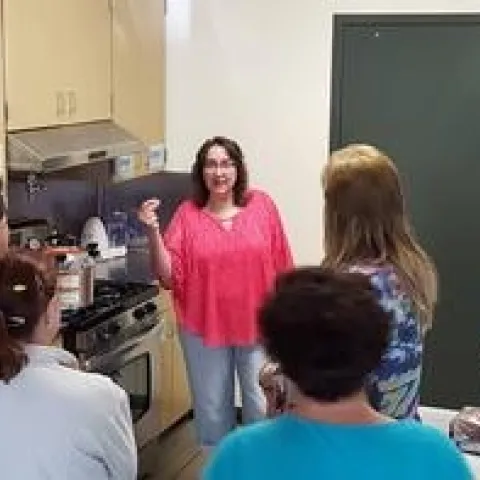
Register here (by Friday Sep 13) for this Saturday's Lose the Lawn- Go Native! workshop with Jim Brugger, a popular speaker from the CA Native Plant Society. Sat, Sep 14 from 10-12 noon at the UCCE classroom at 2145 Wardrobe Ave, Merced.
View Article
Primary Image
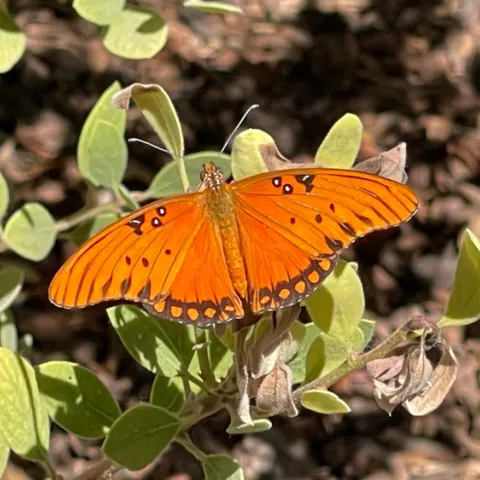
Bright orange butterfly with black and white markings.
The Stanislaus Sprout: Article

Gulf Fritillary Caterpillars on my Passion Vine!

September 9, 2024
By Anne E Schellman
In early May we planted a passion vine (Passiflora genus) in our garden. Over the past few weeks, we have had the pleasure of watching several Gulf fritillary (Agraulis vanillae) butterflies go through the process from egg to adults. (All photos are by the author unless noted).
View Article
Primary Image
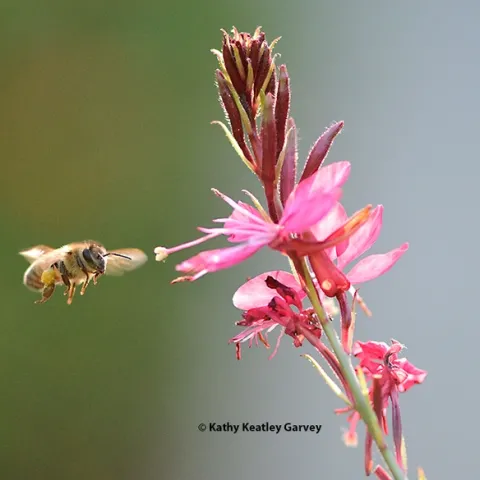
Honey bees will be among the topics at the UC Davis Department of Entomology and Nematology fall quarter seminars. This bee is heading toward gaura in early morning. (Photo by Kathy Keatley Garvey)
Bug Squad: Article

UC Davis ENT Seminars: Look Who's Speaking

September 9, 2024
By Kathy Keatley Garvey
From honey bees to butterflies to nematodes--those will be some of the topics when the UC Davis Department of Entomology and Nematology hosts its fall quarter seminars. The seminars begin Monday afternoon, Sept. 30 and continue every Monday through Dec. 2.
View Article
Primary Image
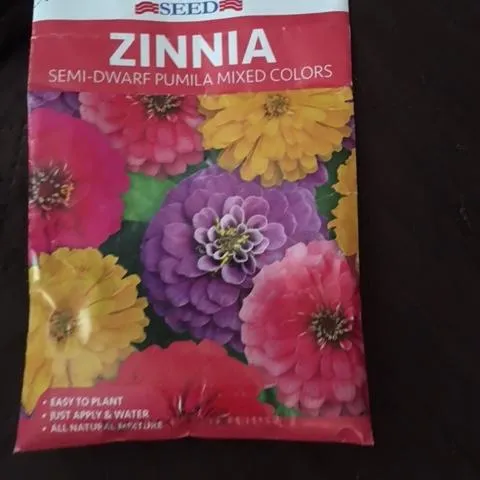
Zinnia seeds. photos by Heather Hamilton
Under the Solano Sun: Article

Zesty Zinnias

September 9, 2024
I have always loved zinnias for their vast range of colors and beauty. We once had a farm near me that you could go and pick your own flowers to bring home and enjoy, sadly they are no longer there. Since they moved on I decided I would try and plant some by seed this year.
View Article
Primary Image
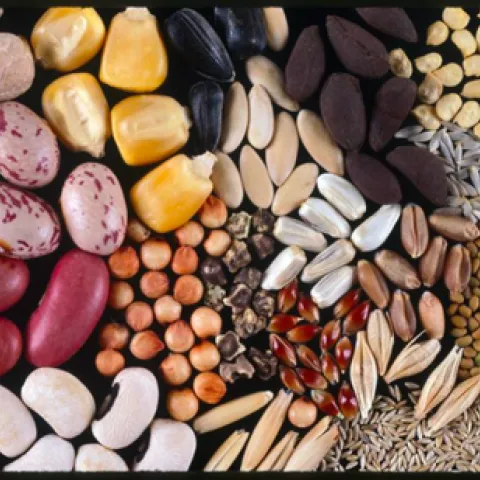
Photo of many different kinds of seeds
HOrT COCO-UC Master Gardener Program of Contra Costa: Article

Seeds Are Worth Saving

September 9, 2024
By Help Desk Team
It's getting close to the end of our summer gardening season. Now is the time to start thinking about next summer's garden.
View Article
Primary Image
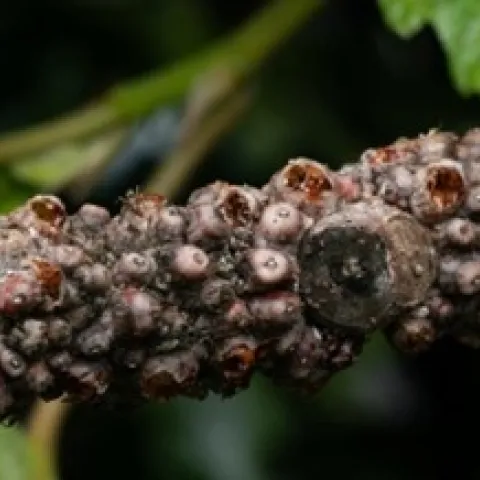
fig wax scale ant feeding
Topics in Subtropics: Article

Fig Wax Scale Alert

September 8, 2024
By Ben A Faber
F\ig Wax Scale has recently been detected in the environment in the San Diego County. This insect is commonly intercepted at ports of entry, especially on shipments of palms, but has not previously established a reproductive population in California to our knowledge.
View Article
Primary Image
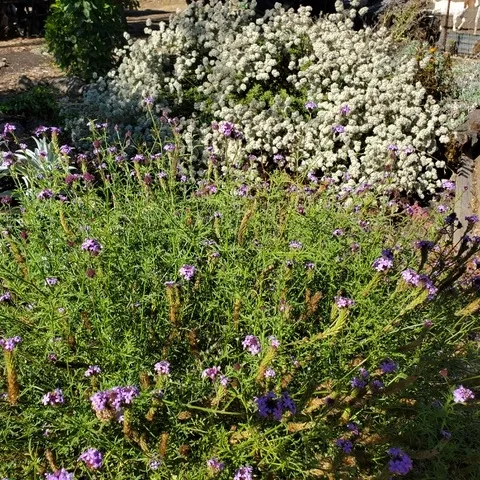
Fore ground plant is purple Cedric Island verbena-Background plant is California buckwheat-Image by David Layland

It’s Time For California Native Plant Season

September 8, 2024
It's getting close to what I call California native plant season. Fall and winter are the best times to plant natives, and that's also when the Napa Valley chapter of the California Native Plant Society (CNPS) holds its annual plant sale.
View Article