A Natural Solution for California's Herds: African Catfish Peptides

California's cattle producers and agricultural communities are all too familiar with the rising challenge of antibiotic resistance, making common bacterial infections harder to treat in livestock. But imagine a future where we could tackle these infections with a natural, powerful alternative. Our research points to just that: antimicrobial peptides (AMPs) found in African catfish.

We're really excited about these peptides because African catfish thrive in pathogen-rich freshwater, naturally producing these robust immune compounds in their skin mucus as a defense. This natural origin makes them highly appealing alternatives to synthetic drugs.

Predicted Safety and Potent Action

One of the most compelling aspects of these AMPs is their predicted safety for mammals. Our initial computer analyses suggest that various catfish AMPs are generally recognized as safe (GRAS). We predict they'll be absorbed in the human intestine without causing liver, brain, or heart toxicity. Furthermore, lab tests on a promising peptide, NACAP-II, confirmed it was non-hemolytic, meaning it didn't damage rabbit red blood cells—a strong indicator of its potential safety for mammalian cells.

Beyond safety, these peptides demonstrate effectiveness against problematic bacteria. One study revealed NACAP-II's strong activity against Extended-Spectrum Beta-Lactamase (ESBL)-producing Escherichia coli—a critical concern for both animal and human health due to its resistance to many common antibiotics. Another peptide, ACAP-IV, also showed antibacterial activity against E. coli and Staphylococcus aureus. We believe these AMPs work by directly disrupting bacterial cell membranes, a mechanism that makes it harder for bacteria to develop resistance compared to how they resist traditional antibiotics.

Primary Image
At the Vacaville Museum Children's Party on Aug. 8, a walk-around Queen Bee (costume from the UC Davis-based California Master Beekeeper Program) will hand out honey sticks donated by Z Specialty Food, Woodland. (Photo by Kathy Keatley Garvey)
Bug Squad: Article

Children's Party at the Vacaville Museum: A Honey of an Event

July 29, 2024
By Kathy Keatley Garvey
The Vacaville Museum Guild's annual children's party--for Vacaville children ages 3 to 9--promises to be a honey of a party. Themed "Fun on the Farm," it's an entertaining and educational event set for 10 a.m. to 12:30 p.m., Thursday, Aug. 8 in the museum courtyard, 213 Buck Ave.,Vacaville.
View Article
Primary Image
photos by Lorie Hammond
The Savvy Sage: Article

Garden Iced Tea for Hot Days

July 29, 2024
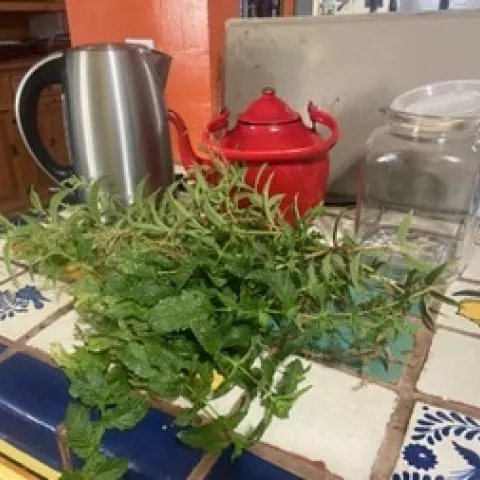
In the midst of this hottest summer, I take solace in making iced tea from the herbs in my garden every morning. This approach can be done using the sun tea method, putting herbs in a glass jar outside in the sun for part of the day, then refrigerating.
View Article
Citrus IPM News: Article

Upcoming Citrus Extension Outreach Meetings at LREC

July 29, 2024
By Sandipa Gautam
Upcoming Citrus Extension Outreach Meetings at LREC August 20, 2024. Register here for AAIE Organized Citrus Roundtable for SJV growers: This is an opportunity for citrus pest control advisors to get together and talk about how they manage pests.
View Article
Primary Image
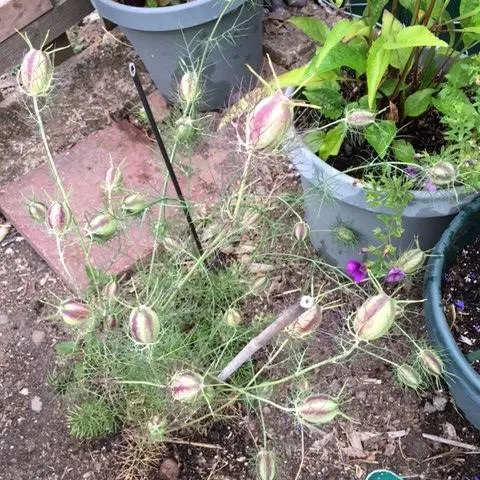
Nigella pods. photos by Heather Hamilton
Under the Solano Sun: Article

Love in a Mist

July 29, 2024
I have always had a love for wildflowers and cottage garden favorites. One in particular that I always enjoy during the summer months would be Nigella damascena Miss Jekyll Dark Blue'. I first purchased this plant from Annie's Annuals in 2020, and since then, I've had blooms year after year.
View Article
ANR Employee News: Article

Find out what’s new with the IWP project

July 29, 2024
By Pamela S Kan-Rice
The Integrated Web Platform, or IWP, project will transform UC ANR's digital experience for internal website editors and the people who visit our websites.
View Article