A Natural Solution for California's Herds: African Catfish Peptides

California's cattle producers and agricultural communities are all too familiar with the rising challenge of antibiotic resistance, making common bacterial infections harder to treat in livestock. But imagine a future where we could tackle these infections with a natural, powerful alternative. Our research points to just that: antimicrobial peptides (AMPs) found in African catfish.

We're really excited about these peptides because African catfish thrive in pathogen-rich freshwater, naturally producing these robust immune compounds in their skin mucus as a defense. This natural origin makes them highly appealing alternatives to synthetic drugs.

Predicted Safety and Potent Action

One of the most compelling aspects of these AMPs is their predicted safety for mammals. Our initial computer analyses suggest that various catfish AMPs are generally recognized as safe (GRAS). We predict they'll be absorbed in the human intestine without causing liver, brain, or heart toxicity. Furthermore, lab tests on a promising peptide, NACAP-II, confirmed it was non-hemolytic, meaning it didn't damage rabbit red blood cells—a strong indicator of its potential safety for mammalian cells.

Beyond safety, these peptides demonstrate effectiveness against problematic bacteria. One study revealed NACAP-II's strong activity against Extended-Spectrum Beta-Lactamase (ESBL)-producing Escherichia coli—a critical concern for both animal and human health due to its resistance to many common antibiotics. Another peptide, ACAP-IV, also showed antibacterial activity against E. coli and Staphylococcus aureus. We believe these AMPs work by directly disrupting bacterial cell membranes, a mechanism that makes it harder for bacteria to develop resistance compared to how they resist traditional antibiotics.
Primary Image
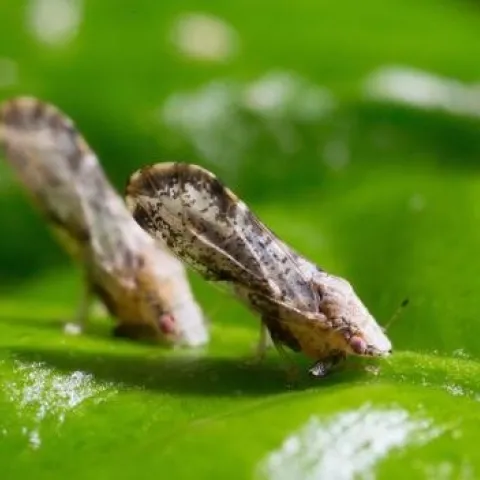
acp lewis
Topics in Subtropics: Article

The Twisitng Turns of HLB and ACP

August 1, 2024
By Ben A Faber
Greening Bacterium Causes Changes in Psyllids Recent studies, including a partnership project between Fundecitrus and the University of California, revealed that the citrus greening bacterium Candidatus Liberibacter asiaticus causes physiological changes in psyllids, posing additional challenges to...
View Article
Primary Image
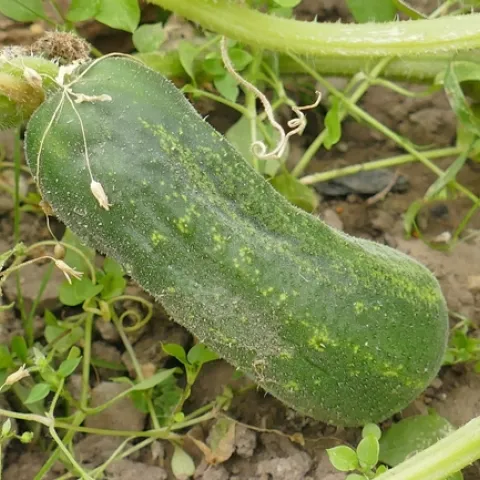
Irrigate ripening cucumbers carefully to avoid over and under watering. (Photo: PxHere)
Fresno Gardening Green: Article

This week in the garden: Aug. 2 - 8

August 1, 2024
A houseplant is simply an outdoor plant brought inside. Light requirements vary for indoor plants, but most of them will not tolerate direct summer sun. Tasks Check drip emitters to adjust flow and unclog them if needed. Lightly trim lavenders after they have finished flowering to keep them compact.
View Article
Primary Image
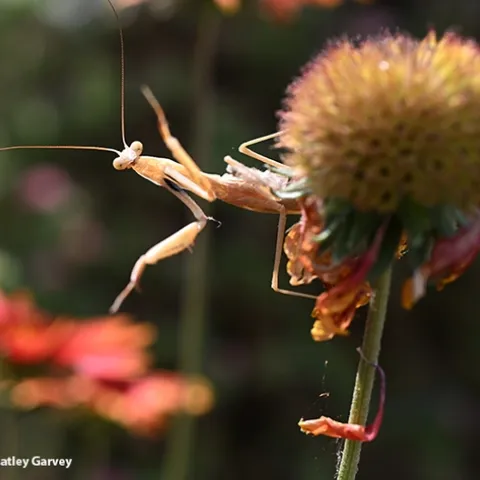
The male Mantis religiosa, investigates his surroundings. (Photo by Kathy Keatley Garvey)
Bug Squad: Article

Meet a Male Mantis in a Patch of Blanket Flowers

July 31, 2024
By Kathy Keatley Garvey
So there he is, a praying mantis in a patch of blanket flowers, Gaillardia, in a Vacaville garden. He's a male Mantis religiosa, as slim as a string bean, and scanning his environment. We're accustomed to seeing see the native Stagmomantis limbata in our garden, and not M.
View Article
Primary Image
IMG 0231
UC Rice Blog: Article

Blast update

July 31, 2024
By Luis Espino
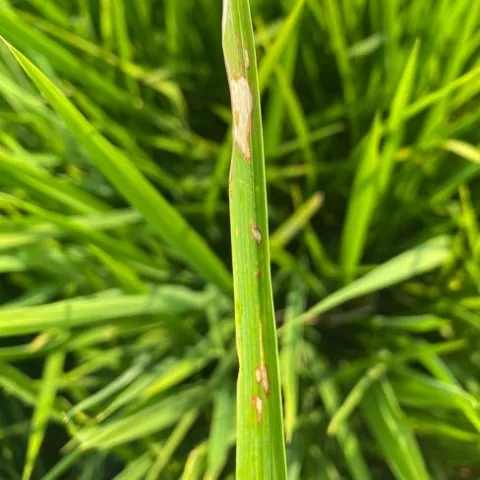
In the last two weeks, I visited a couple of fields suspected of having blast. After looking at the symptoms and the distribution of the lesions in the field, we determined that the injury we were observing was most likely due to herbicide burn.
View Article
Colusa County: Article

August 2024

July 31, 2024
Ornamental Plant of the Month Sedum Gardeners Corner Using Mulch in the Landscape Recipe of the Month Buttermilk Fried Chicken Penny Pinching Tips from a Master Gardener Garden Guide Safety Notes Family Fun at the Garden August 10, 10 am Donna Critchfield demonstration garden Education Village 499...
View Article
Primary Image
Vegetable beds filled with leafy greens at an urban farm in San Francisco. There is a row of blue houses in the background
Urban Agriculture: Article

NRCS Resources for Urban Growers

July 31, 2024
By Lucy Diekmann
Are you an urban grower looking to improve the sustainability of your farm? If so, the USDA Natural Resources Conservation Service (NRCS) may be able to help you achieve your conservation goals. NRCS is a federal agency focused on implementing on-farm conservation across agricultural operations.
View Article