A Natural Solution for California's Herds: African Catfish Peptides

California's cattle producers and agricultural communities are all too familiar with the rising challenge of antibiotic resistance, making common bacterial infections harder to treat in livestock. But imagine a future where we could tackle these infections with a natural, powerful alternative. Our research points to just that: antimicrobial peptides (AMPs) found in African catfish.

We're really excited about these peptides because African catfish thrive in pathogen-rich freshwater, naturally producing these robust immune compounds in their skin mucus as a defense. This natural origin makes them highly appealing alternatives to synthetic drugs.

Predicted Safety and Potent Action

One of the most compelling aspects of these AMPs is their predicted safety for mammals. Our initial computer analyses suggest that various catfish AMPs are generally recognized as safe (GRAS). We predict they'll be absorbed in the human intestine without causing liver, brain, or heart toxicity. Furthermore, lab tests on a promising peptide, NACAP-II, confirmed it was non-hemolytic, meaning it didn't damage rabbit red blood cells—a strong indicator of its potential safety for mammalian cells.

Beyond safety, these peptides demonstrate effectiveness against problematic bacteria. One study revealed NACAP-II's strong activity against Extended-Spectrum Beta-Lactamase (ESBL)-producing Escherichia coli—a critical concern for both animal and human health due to its resistance to many common antibiotics. Another peptide, ACAP-IV, also showed antibacterial activity against E. coli and Staphylococcus aureus. We believe these AMPs work by directly disrupting bacterial cell membranes, a mechanism that makes it harder for bacteria to develop resistance compared to how they resist traditional antibiotics.
Glenn County: Article

-Fire Information-

August 1, 2024
Here is some information for those affected by fire. Sorry for you losses! Attached is a quick fact sheet on what to expect on rangeland after fire. This fire is likely to be a combination of grassland and brush burns, even within the same ranch.
View Article
Primary Image
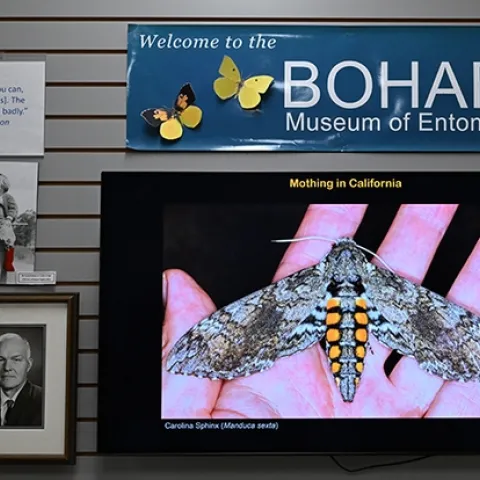
Moth-er scientist Volkmar Heinrich, UC Davis associate professor of biomedical engineering, displayed his images of moths. This is the adult form of the tobacco worm, Carolina sphinx, Manduca sexta.
Bug Squad: Article

National Moth Week Ended But...

August 1, 2024
By Kathy Keatley Garvey
National Moth Week ended July 27 but you can go moth-ing any time. Meanwhile, here's another look at the Bohart Museum of Entomology's 2024 Moth Night, which drew widespread interest.
View Article
Tehama County: Article

-Fire Information-

August 1, 2024
Here is some information for those affected by fire. Sorry for you losses! Attached is a quick fact sheet on what to expect on rangeland after fire. This fire is likely to be a combination of grassland and brush burns, even within the same ranch.
View Article
UCCE Siskiyou: Article

August 2024

August 1, 2024
Upcoming Events 2024-2025 Registration is OPEN Buyers Letters & Auction Invitations Officer Books & Record Books Due September 15th JLAC Meeting Notes Junior Livestock Auction Schedule of Events Anatomy of a Good Buyers Letter NEW!! 4-H Achievement Record Books and Forms...
View Article
Primary Image
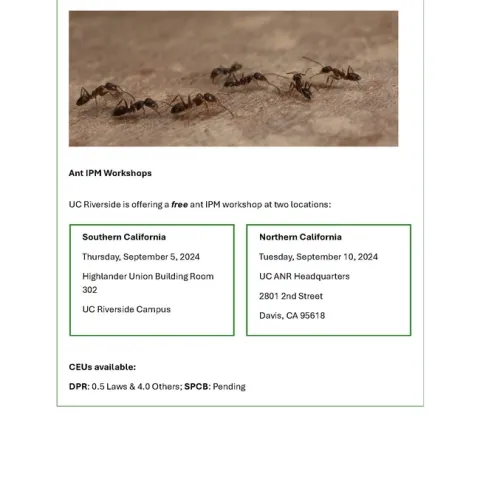
Ant Workshop Page 1
Topics in Subtropics: Article

Free Ant Workshop - Come Marching In

August 1, 2024
By Ben A Faber
Registration Deadline is August 19 Schedule Speakers Topics & Itinerary 8:00 AM 8:15 AM Arrival / Set-Up 8:30 AM 9:00 AM Registration & Coffee/Snacks 9:00 AM 9:05 AM Dong-Hwan Choe Brief introduction 9:05 AM 9:50 AM Robert Budd Pesticides in surface water 9:50 AM 10:20 AM Michael ?
View Article
Article

Advisory on Political Activities

August 1, 2024
By Michael Hsu
Dear Colleagues, As we enter the full swing of campaign season, now is a great time to re-post an advisory from the UC Office of General Counsel regarding political campaign activities. Please take time to review the resources below and familiarize yourself with what is/is not permissible.
View Article
Primary Image
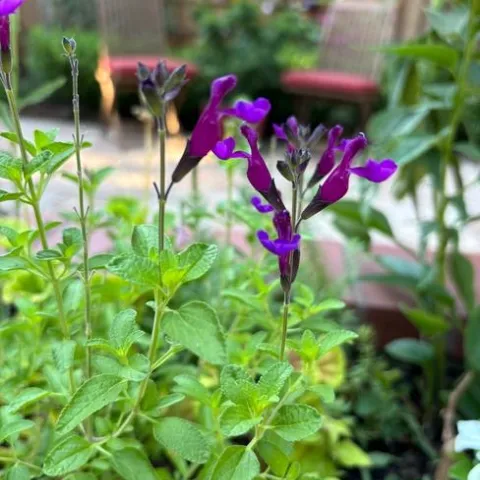
Sage (Salvia x jamensis 'Ignition Purple')
The Savvy Sage: Article

The Cranky Gardener

August 1, 2024
This time of year, I'm drooping. Just like my hydrangea when it gets that short blast of sun in the late afternoon.
View Article
Primary Image
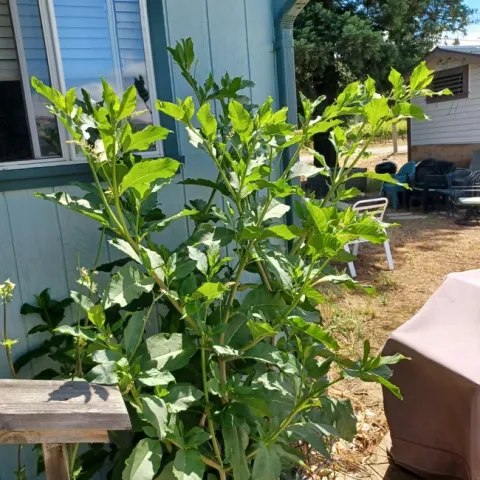
Pokeweed. photo by Jenni Dodini
Under the Solano Sun: Article

Purple Poisonous Plant

August 1, 2024
My daughter called me and asked me to come over to her house and check out this plant that had seemed to grow huge overnight.
View Article
Primary Image
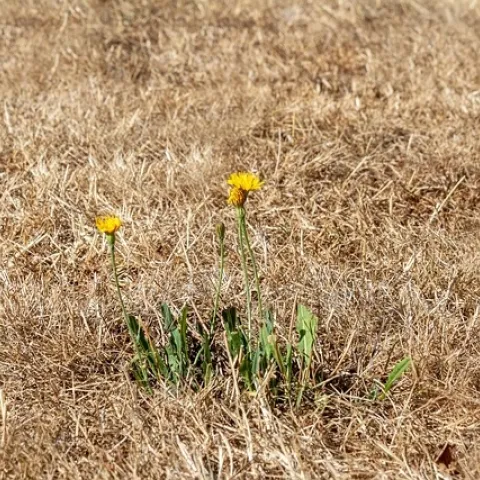
Lawns are suffering under record-setting heat. (Photo: Pixabay)
Fresno Gardening Green: Article

Take steps to help plants weather the high heat

August 1, 2024
The damage to plants from extreme heat spikes this June and July is now obvious. Mature drought and heat-tolerant sycamores that did not receive regular deep irrigation have lost two-thirds of their leaf canopy.
View Article