A Natural Solution for California's Herds: African Catfish Peptides

California's cattle producers and agricultural communities are all too familiar with the rising challenge of antibiotic resistance, making common bacterial infections harder to treat in livestock. But imagine a future where we could tackle these infections with a natural, powerful alternative. Our research points to just that: antimicrobial peptides (AMPs) found in African catfish.

We're really excited about these peptides because African catfish thrive in pathogen-rich freshwater, naturally producing these robust immune compounds in their skin mucus as a defense. This natural origin makes them highly appealing alternatives to synthetic drugs.

Predicted Safety and Potent Action

One of the most compelling aspects of these AMPs is their predicted safety for mammals. Our initial computer analyses suggest that various catfish AMPs are generally recognized as safe (GRAS). We predict they'll be absorbed in the human intestine without causing liver, brain, or heart toxicity. Furthermore, lab tests on a promising peptide, NACAP-II, confirmed it was non-hemolytic, meaning it didn't damage rabbit red blood cells—a strong indicator of its potential safety for mammalian cells.

Beyond safety, these peptides demonstrate effectiveness against problematic bacteria. One study revealed NACAP-II's strong activity against Extended-Spectrum Beta-Lactamase (ESBL)-producing Escherichia coli—a critical concern for both animal and human health due to its resistance to many common antibiotics. Another peptide, ACAP-IV, also showed antibacterial activity against E. coli and Staphylococcus aureus. We believe these AMPs work by directly disrupting bacterial cell membranes, a mechanism that makes it harder for bacteria to develop resistance compared to how they resist traditional antibiotics.
Primary Image
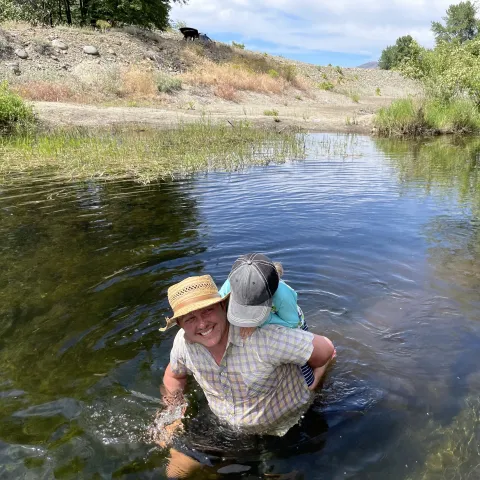
Cleo Woelfle Hazard and his child visit a beaver dam analog
Employee Spotlights: Article

Fire advisor Woelfle Hazard transcends bounds in studies, career

June 18, 2024
By Michael Hsu
Costumed as river creatures with papier mch heads and dressed as the Army Corps of Engineers, Cleo Woelfle Hazard and a performance art group called The Water Underground dazzled the biennial Bay Delta Science Conference a few years ago. Woelfle Hazard then a Ph.D.
View Article
Primary Image
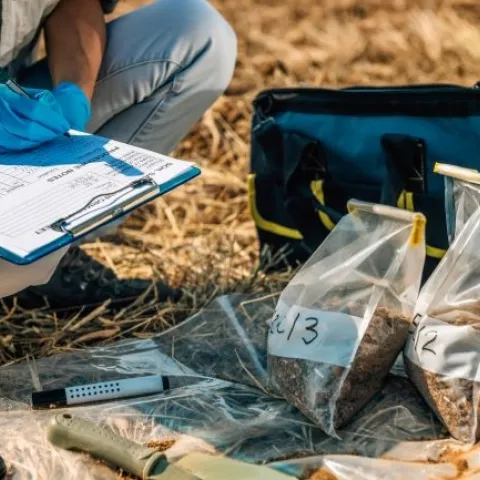
Soil in bags for testing.
Over the Fence (Alameda County): Article

Getting the Dirt on Soil Testing

June 18, 2024
By Jim Farr
Get the dirt on soil testing for Alameda County gardens. Learn pH levels, nutrient analysis, sampling methods & how to interpret results effectively.
View Article
Primary Image
salinas field day

Automated Technology Field Day (Salinas) June 27

June 18, 2024
By Brad Hanson
2024 Automated Technology Field Day Learn about the growing role of automated technologies in precision weeding and other ag operations at the 2024 Automated Technology Field Day! Watch live demonstrations of automated weeders, thinners, and sprayers from several companies, and discuss with company...
View Article
Primary Image
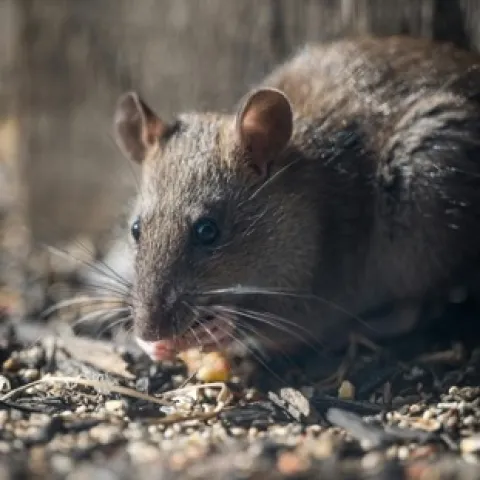
A grey brown rat on the ground with its hands by its mouth feeding on something.
Pests in the Urban Landscape: Article

Updated Rat Management Resources

June 18, 2024
By Lauren Fordyce
Rats can contaminate our food, damage structures, and spread diseases. To help residents and urban pest professionals safely and effectively manage rats, UC IPM has updated the Pest Notes: Rats publication.
View Article
Primary Image
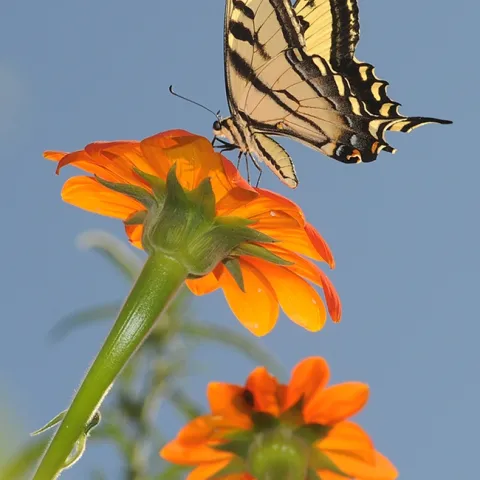
A Western tiger swallowtail, Papilio rutulus, touches down on a Mexican sunflower, Tithonia rotundifola. (Photo by Kathy Keatley Garvey)
Bug Squad: Article

Applause for the Pollinators

June 17, 2024
By Kathy Keatley Garvey
Bees, butterflies, beetles, birds and bats. What do they have in common? Skipping the alliteration for a moment, they're all pollinators. Honey bees grab the most attention, of course, and they do the bulk of the work. But so do bumble bees and other native bees.
View Article
Tehama County: Article

Third Thursdays Things from the Field - Join us June 27th!

June 17, 2024
Third Thursdays Things from the Field for June Next Thursday June 27th! 11:00AM - 12:30PM UCCE Sutter-Yuba 142A Garden Hwy, Yuba City, CA The first hour will feature lunch, a UCCE talk and Q&A on an orchard topic relevant to the time of year.
View Article
Primary Image
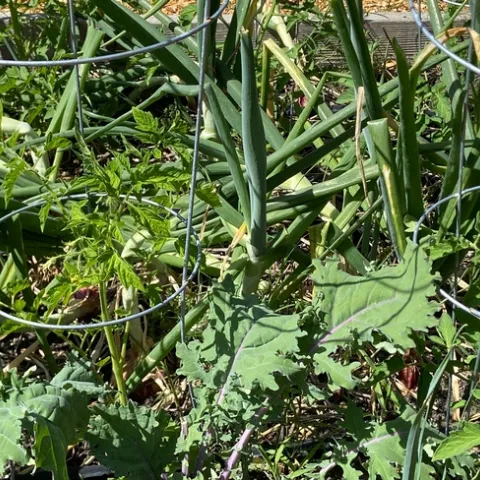
Onions, kale, and baby tomatoes growing in same bed.photos by Lorie Hammond
The Savvy Sage: Article

My Edible Horticultural Garden in Late Spring

June 17, 2024
Words have many definitions, but when I was studying anthropology of education, I learned that from an anthropologist's point of view, agriculture is different from horticulture. The difference is that agriculture is based on growing food or other products to sell.
View Article
Primary Image
1 Prickly Pear Cactus Pena Adobe - A.Alvarado
Under the Solano Sun: Article

Prickly Pear in Bloom at Peña Adobe

June 17, 2024
There is a magnificent old cactus garden located in Pea Adobe Regional Park, just west of Vacaville, CA. I was in awe when I first discovered the garden, noticing that some of the cactuses were huge with thick wood-like trunks.
View Article