A Natural Solution for California's Herds: African Catfish Peptides

California's cattle producers and agricultural communities are all too familiar with the rising challenge of antibiotic resistance, making common bacterial infections harder to treat in livestock. But imagine a future where we could tackle these infections with a natural, powerful alternative. Our research points to just that: antimicrobial peptides (AMPs) found in African catfish.

We're really excited about these peptides because African catfish thrive in pathogen-rich freshwater, naturally producing these robust immune compounds in their skin mucus as a defense. This natural origin makes them highly appealing alternatives to synthetic drugs.

Predicted Safety and Potent Action

One of the most compelling aspects of these AMPs is their predicted safety for mammals. Our initial computer analyses suggest that various catfish AMPs are generally recognized as safe (GRAS). We predict they'll be absorbed in the human intestine without causing liver, brain, or heart toxicity. Furthermore, lab tests on a promising peptide, NACAP-II, confirmed it was non-hemolytic, meaning it didn't damage rabbit red blood cells—a strong indicator of its potential safety for mammalian cells.

Beyond safety, these peptides demonstrate effectiveness against problematic bacteria. One study revealed NACAP-II's strong activity against Extended-Spectrum Beta-Lactamase (ESBL)-producing Escherichia coli—a critical concern for both animal and human health due to its resistance to many common antibiotics. Another peptide, ACAP-IV, also showed antibacterial activity against E. coli and Staphylococcus aureus. We believe these AMPs work by directly disrupting bacterial cell membranes, a mechanism that makes it harder for bacteria to develop resistance compared to how they resist traditional antibiotics.

Primary Image
A freshly made bed with white sheets and striped pillows.
Pests in the Urban Landscape: Article

Don’t Let the Bed Bugs Bite This Summer!

June 24, 2024
By Lauren Fordyce
As vacation season begins, people will be traveling much more in the coming months. Whether you'll be staying at a hotel, hostel, motel, rental home, or summer camp, you should always be on the lookout for bed bugs.
View Article
Primary Image
Eleven young people holding clear plastic cups of blackberries pose between rows of blackberry bushes.
ANR Employee News: Article

HBCU-Berkeley Environmental Scholars visit KARE

June 24, 2024
By Pamela S Kan-Rice
While tasting avocados and blackberries at Kearney Agricultural Research and Extension Center in Parlier, undergraduate students from historically Black colleges and universities got a taste of California agriculture.
View Article
Primary Image
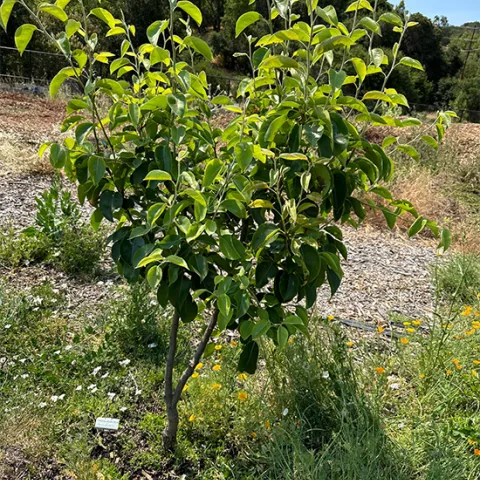
This Asian pear tree has been pruned for optimum size and shape.
UC Marin Master Gardeners: Article

July 2024: Fruit Tree Maintenance

June 24, 2024
All fruit trees require pruning for optimum vigor and fruit production. Pruning is also a way to control tree size, making care and harvesting easier.
View Article
Primary Image
Al Sokolow
ANR Employee News: Article

In memoriam: Alvin Sokolow

June 24, 2024
By Pamela S Kan-Rice
Al Sokolow, emeritus UC Cooperative Extension specialist in public policy and governance, passed away from complications from Parkinson's disease on June 1 at the University Retirement Community in Davis.
View Article
Primary Image
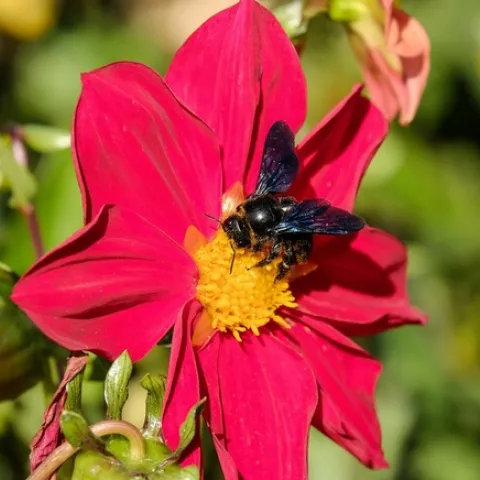
carpenter-bee-1696018 1280 Pixabay

Native Bees

June 23, 2024
One of the pleasures of being a UC Master Gardener is our monthly seminars. Not only are they varied and interesting, but it is always a pleasure when the local members are present. I enjoy being reminded of how smart my colleagues are.
View Article
Primary Image
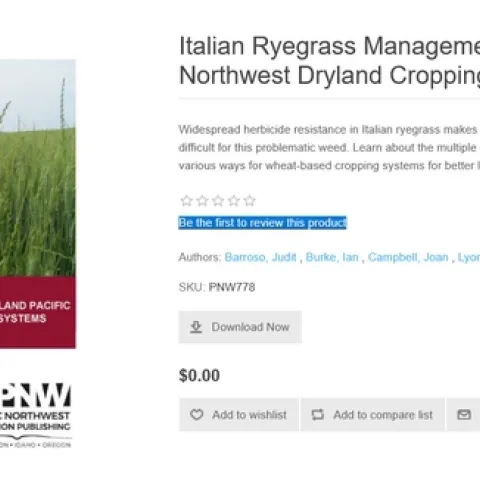
PNW778, Italian Ryegrass Management in Inland Pacific Northwest Dryland Cropping Systems
UC Weed Science (weed control, management, ecology, and minutia): Article

New herbicide resistance resources

June 23, 2024
By Gale Perez
Herbicides are an important tool for the management of weeds in crops but an overreliance on herbicides for weed management has accelerated the development of herbicide-resistant weed biotypes.
View Article
Primary Image
UCCE logo
UC Dry Bean Blog: Article

UC Dry Bean Field Day on August 15, 2024

June 21, 2024
By Michelle M Leinfelder-Miles
Please save the date for the annual UC Dry Bean Field Day! UC Davis and UC Cooperative Extension will provide updates on dry bean research and management.
View Article