A Natural Solution for California's Herds: African Catfish Peptides

California's cattle producers and agricultural communities are all too familiar with the rising challenge of antibiotic resistance, making common bacterial infections harder to treat in livestock. But imagine a future where we could tackle these infections with a natural, powerful alternative. Our research points to just that: antimicrobial peptides (AMPs) found in African catfish.

We're really excited about these peptides because African catfish thrive in pathogen-rich freshwater, naturally producing these robust immune compounds in their skin mucus as a defense. This natural origin makes them highly appealing alternatives to synthetic drugs.

Predicted Safety and Potent Action

One of the most compelling aspects of these AMPs is their predicted safety for mammals. Our initial computer analyses suggest that various catfish AMPs are generally recognized as safe (GRAS). We predict they'll be absorbed in the human intestine without causing liver, brain, or heart toxicity. Furthermore, lab tests on a promising peptide, NACAP-II, confirmed it was non-hemolytic, meaning it didn't damage rabbit red blood cells—a strong indicator of its potential safety for mammalian cells.

Beyond safety, these peptides demonstrate effectiveness against problematic bacteria. One study revealed NACAP-II's strong activity against Extended-Spectrum Beta-Lactamase (ESBL)-producing Escherichia coli—a critical concern for both animal and human health due to its resistance to many common antibiotics. Another peptide, ACAP-IV, also showed antibacterial activity against E. coli and Staphylococcus aureus. We believe these AMPs work by directly disrupting bacterial cell membranes, a mechanism that makes it harder for bacteria to develop resistance compared to how they resist traditional antibiotics.
Primary Image
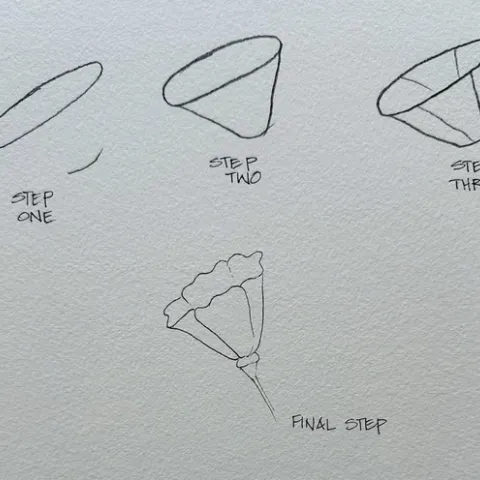
All drawings by Lisa Rico
Under the Solano Sun: Article

Garden Journaling

May 31, 2024
I've read a thousand times about the benefits of journaling. Expressing your thoughts, venting your frustrations, sharing your inner worries and concerns, acknowledging your blessings none of which I've done. But a garden journal. That's a different thing entirely.
View Article
Primary Image
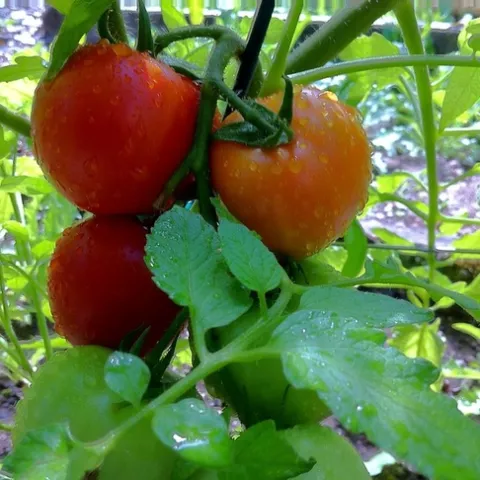
Tomato, early girl by jenn2d2 is licensed under CC BY-NC-SA 2.0.
The Savvy Sage: Article

A Beginner's Guide to Planting Tomatoes in the Spring

May 31, 2024
As spring ushers in warmer weather and longer days, it is the perfect time to embark on the journey of planting tomatoes. Whether you are a seasoned gardener or a novice with a green thumb, growing tomatoes can be a rewarding experience.
View Article
Primary Image
Eta Takele
ANR Employee News: Article

Celebration Corner

May 31, 2024
By Pamela S Kan-Rice
Takele honored for DEI achievements The Agricultural & Applied Economics Association's Committee on Women in Agricultural Economics recognized Etaferahu Takele, UCCE area agricultural economics and farm management advisor in Southern California, for advancing diversity, equity and inclusion as a res...
View Article
Primary Image
Ngodoo Atume
ANR Employee News: Article

Names in the News

May 31, 2024
By Pamela S Kan-Rice
Coyne named Master Gardener assistant director of volunteer and community engagement Marisa Coyne returned to the statewide Master Gardener Program office on May 22 as the assistant director of volunteer and community engagement.
View Article
Primary Image
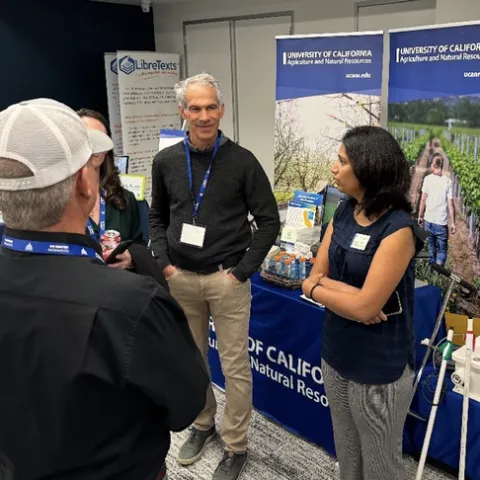
Four people stand and converse at a display booth
ANR Employee News: Article

Legislators learn about Steam Weeder and CropManage at UC Innovation Day

May 31, 2024
By Pamela S Kan-Rice
On May 8, the University of California hosted an emerging science and technology innovation day at the UC Center in Sacramento. The UC inventions showcased at the event were examples of how academic research translates into real-world applications that benefit Californians and the world.
View Article
Primary Image
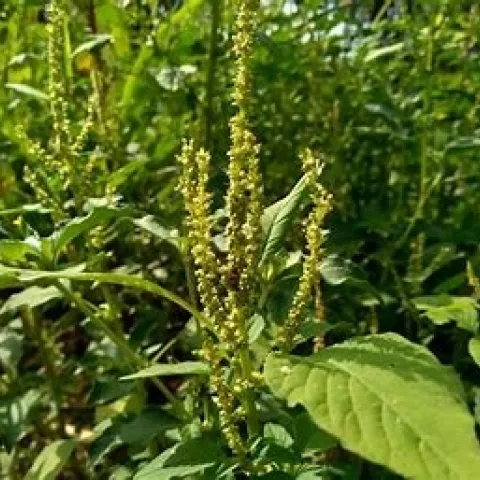
palmer amaranth
Topics in Subtropics: Article

New Avocado Herbicide

May 31, 2024
By Ben A Faber
Rely 280 Herbicide Available for Use in California Avocado Groves The California Department of Pesticide Regulation has approved the herbicide Rely 280 (glufosinate-ammonium) for use in avocado groves in California.
View Article
Primary Image
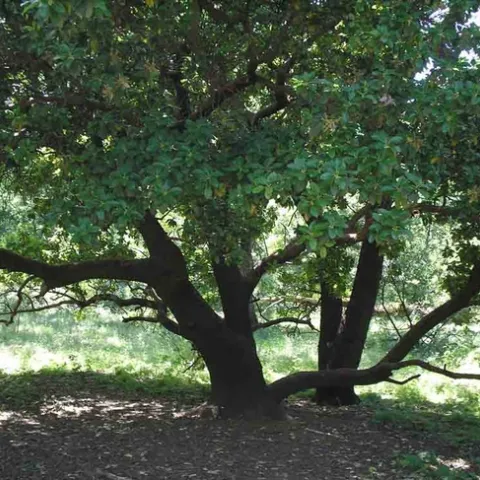
Madrone in Lower Bidwell Park. Low, horizontal branches are tempting to climb. Laura Lukes
The Real Dirt: Article

Local Trees: The Pacific Madrone – Rare in Lower Bidwell Park

May 31, 2024
A beautiful tree sits on the north side of Little Chico Creek, shading the picnic table at site #34 in Lower Bidwell Park. Its thick, smooth lower branches are perfect for climbing, and its form is both rounder and more symmetrical than its relatives at higher elevations.
View Article
Primary Image
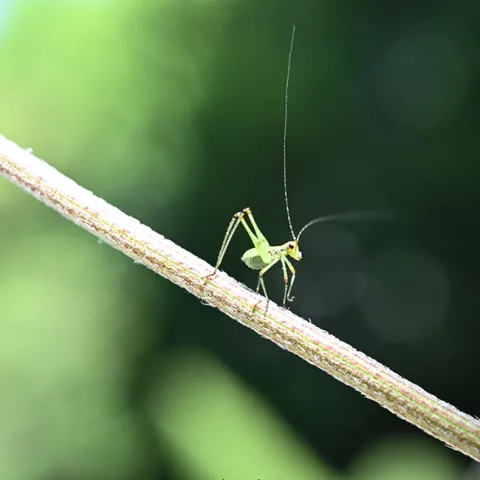
A katydid nymph, its long threadlike antennae upright, descends a stem in a Vacaville garden. (Photo by Kathy Keatley Garvey)
Bug Squad: Article

The Katydid Nymph Did

May 30, 2024
By Kathy Keatley Garvey
The katydid nymph did. It did appear in May. The UC Statewide Integrated Pest Management Program (UC IPM) tells us that katydid nymphs appear in our gardens in April or May. This little nymph was right on time, barely, as it surfaced in our Vacaville garden on May 28.
View Article