A Natural Solution for California's Herds: African Catfish Peptides

California's cattle producers and agricultural communities are all too familiar with the rising challenge of antibiotic resistance, making common bacterial infections harder to treat in livestock. But imagine a future where we could tackle these infections with a natural, powerful alternative. Our research points to just that: antimicrobial peptides (AMPs) found in African catfish.

We're really excited about these peptides because African catfish thrive in pathogen-rich freshwater, naturally producing these robust immune compounds in their skin mucus as a defense. This natural origin makes them highly appealing alternatives to synthetic drugs.

Predicted Safety and Potent Action

One of the most compelling aspects of these AMPs is their predicted safety for mammals. Our initial computer analyses suggest that various catfish AMPs are generally recognized as safe (GRAS). We predict they'll be absorbed in the human intestine without causing liver, brain, or heart toxicity. Furthermore, lab tests on a promising peptide, NACAP-II, confirmed it was non-hemolytic, meaning it didn't damage rabbit red blood cells—a strong indicator of its potential safety for mammalian cells.

Beyond safety, these peptides demonstrate effectiveness against problematic bacteria. One study revealed NACAP-II's strong activity against Extended-Spectrum Beta-Lactamase (ESBL)-producing Escherichia coli—a critical concern for both animal and human health due to its resistance to many common antibiotics. Another peptide, ACAP-IV, also showed antibacterial activity against E. coli and Staphylococcus aureus. We believe these AMPs work by directly disrupting bacterial cell membranes, a mechanism that makes it harder for bacteria to develop resistance compared to how they resist traditional antibiotics.
Primary Image
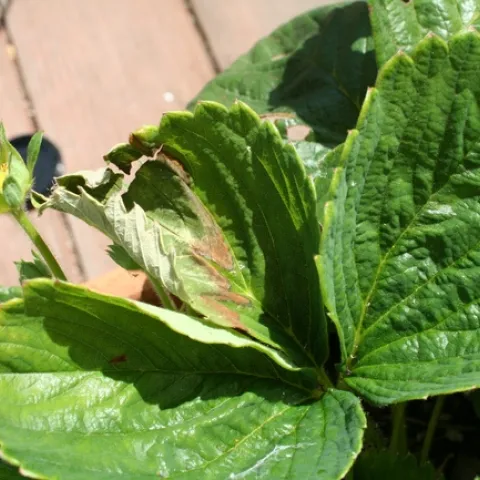
Sunburned leaves on a strawberry plant. (Photo: Mark Bolda, UC ANR)
Fresno Gardening Green: Article

The heat is on!

June 4, 2024
What do we gardeners do when the forecast says a high of 100F but our plants beckon us? There are a few things we can do to make sure we and our plants stay safe. First, take care of yourself.
View Article
Primary Image
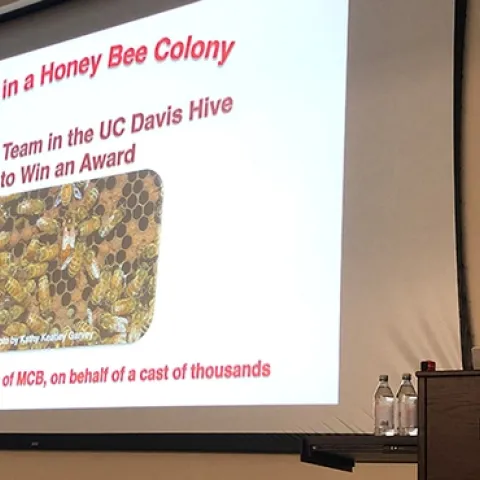
UC Davis distinguished professor Walter Leal delivering his Academic Senate Faculty Distinguished Research Award lecture. (Photo by Kathy Keatley Garvey)
Bug Squad: Article

The Bees, The Team, The Honor

June 3, 2024
By Kathy Keatley Garvey
When UC Davis distinguished professor Walter Leal, recipient of a UC Davis Academic Senate's 2024 Faculty Distinguished Research Award, delivered his seminar at a recent luncheon in the UC Davis Conference Center, honey bees showed up, too. In images, text, and analogies.
View Article
Colusa County: Article

June 2024

June 3, 2024
Ornamental Plant of the Month Sneezeweed Gardeners Corner Hot Weather tips Recipe of the Month One Pan Orzo Dinner Penny Pinching Tips from a Master Gardener Garden Guide Safety Notes...
View Article
Primary Image
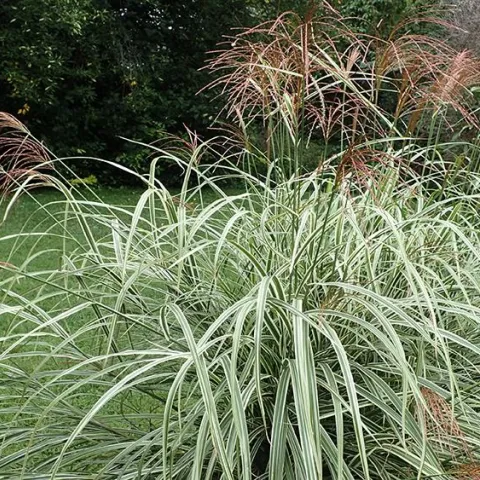
Miscanthus sinensis. Photo: Wikimedia Commons
UC Marin Master Gardeners: Article

How to grow and care for grasses

June 3, 2024
Whether you want to create a naturalistic meadow, showcase a dramatic backlit border, or line a path, ornamental grasses are up for the job...
View Article
Primary Image
Photo: UC ANR
UC Marin Master Gardeners: Article

Tomato hornworm

June 3, 2024
Damage by hornworm larvae is usually most common in midsummer, but there may also be a small population peak of larvae in the late summer...
View Article
Primary Image
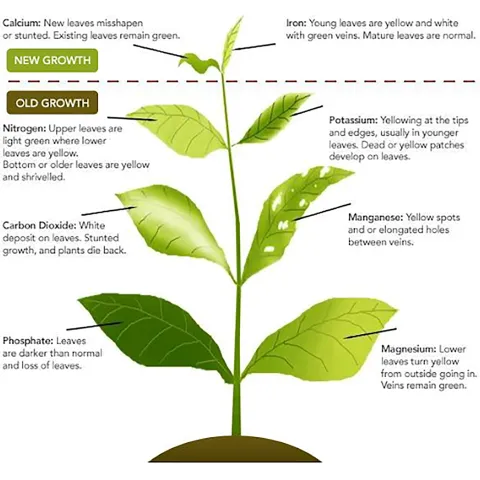
Look closely at the plant and observe! Ask the Expert - Extension
UC Marin Master Gardeners: Article

Figuring out plant problems

June 3, 2024
Plants need the right combination of nutrients to live, grow, and reproduce. Too little or too much of one or more nutrients can cause problems for plants...
View Article
Primary Image
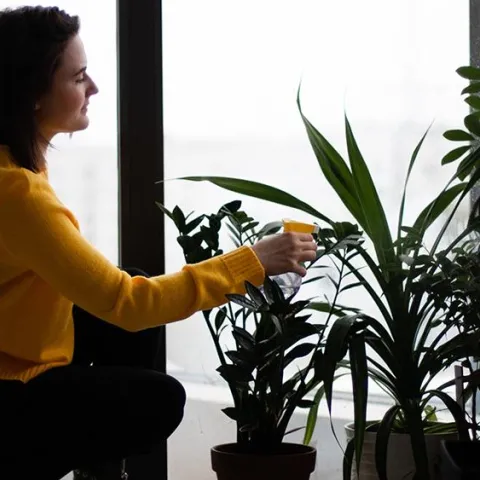
Photo: Daria Rem, Pexels
UC Marin Master Gardeners: Article

Houseplants bring nature indoors

June 3, 2024
If you revel in the array of tones and textures in our garden, you can bring that feeling indoors with a few well-placed houseplants...
View Article
Primary Image
Photo: Cimi, pxhere
UC Marin Master Gardeners: Article

Clematis

June 3, 2024
Searching for a long living, abundant blooming vine to cover an arbor, weave its tendrils through your climbing rose, or scamper across a sunny fence?
View Article