A Natural Solution for California's Herds: African Catfish Peptides

California's cattle producers and agricultural communities are all too familiar with the rising challenge of antibiotic resistance, making common bacterial infections harder to treat in livestock. But imagine a future where we could tackle these infections with a natural, powerful alternative. Our research points to just that: antimicrobial peptides (AMPs) found in African catfish.

We're really excited about these peptides because African catfish thrive in pathogen-rich freshwater, naturally producing these robust immune compounds in their skin mucus as a defense. This natural origin makes them highly appealing alternatives to synthetic drugs.

Predicted Safety and Potent Action

One of the most compelling aspects of these AMPs is their predicted safety for mammals. Our initial computer analyses suggest that various catfish AMPs are generally recognized as safe (GRAS). We predict they'll be absorbed in the human intestine without causing liver, brain, or heart toxicity. Furthermore, lab tests on a promising peptide, NACAP-II, confirmed it was non-hemolytic, meaning it didn't damage rabbit red blood cells—a strong indicator of its potential safety for mammalian cells.

Beyond safety, these peptides demonstrate effectiveness against problematic bacteria. One study revealed NACAP-II's strong activity against Extended-Spectrum Beta-Lactamase (ESBL)-producing Escherichia coli—a critical concern for both animal and human health due to its resistance to many common antibiotics. Another peptide, ACAP-IV, also showed antibacterial activity against E. coli and Staphylococcus aureus. We believe these AMPs work by directly disrupting bacterial cell membranes, a mechanism that makes it harder for bacteria to develop resistance compared to how they resist traditional antibiotics.

Primary Image
Pruning diagram in the free UC ANR publication 'Fruit Trees: Training and Pruning Deciduous Trees,' publication number 8057. (Find link in last paragraph.)
Fresno Gardening Green: Article

Abundant rainfall spurs tree growth, which may require pruning

June 2, 2024
After two consecutive years of normal and above-normal rainfall, trees, hedges and bushes whose growth was constrained during the drought years have shown a huge growth spurt this spring. My neighbor's magnificent loropetalum hedge is at least four feet taller and wider.
View Article
Primary Image
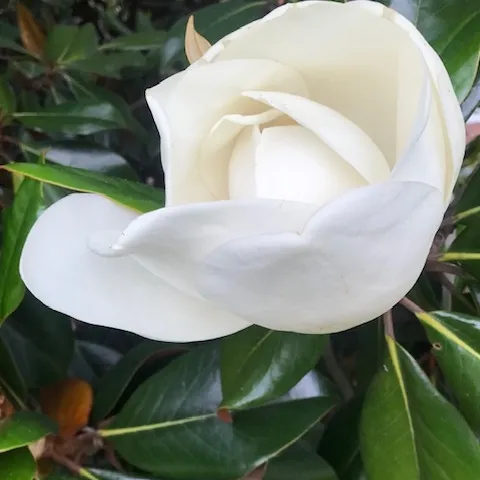
Magnolia Photo by Author
Napa Master Gardener Column: Article

Magnolias

June 1, 2024
There is a beautiful house for sale in my neighborhood, and it was recently featured in the New York Times. Among its abundant selling points is a magnolia tree. It is indeed a lovely tree, and it is in bloom right now.
View Article
UC Master Gardener Program of Riverside County: Article

Garden Views, 2024.05 - May/Jun 2024

June 1, 2024
In this issue: Skylar McDonald describes the Master Gardener 2024 Graduation; Alex Groves announces Janet Hartins retirement; Debbie OBrien recounts the 2024 Class Presentations; Jan Seaman updates the Revitalization Project for Palm Springs Animal Shelter; Ann Platzer paints for us the Satyr Comma...
View Article
Napa Master Gardener Column: Article

Do yourself a favor and avoid invasive plants.

June 1, 2024
When my husband and I first started gardening at our new Napa home, we made many errors. One of the big mistakes was planting invasive plants. We really wanted bamboo, but we did know it had a reputation for taking over gardens.
View Article
Primary Image
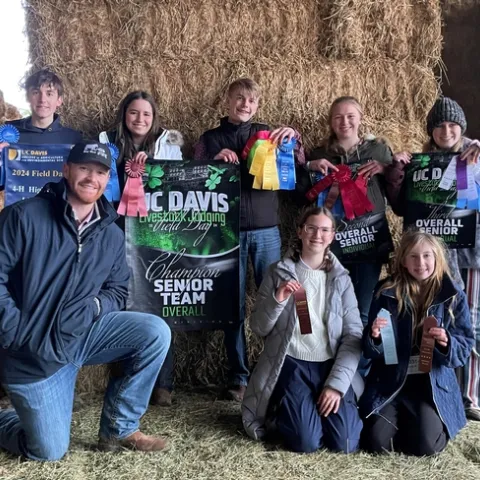
Against a backdrop of hay bales, 5 youth hold ribbons and posters of their contest placing. Kneeling in front of them is an adult coach and 2 youth holding ribbons.
California 4-H Grown: Article

4-H Highlights from the UC Davis CA&ES Field Day

May 31, 2024
By Erica A Pettey
Ten 4-H counties participated in the UC Davis College of Agriculture and Environmental Sciences Field Day on Saturday, March 2, 2024. The 4-H teams competed in contests on Vet Science and Light Horse Judging, as well as the State Qualifier for 4-H Livestock Judging.
View Article
ANR Employee News: Article

2024-25 UC Cooperative Extension positions announced

May 31, 2024
By Pamela S Kan-Rice
Vice President Glenda Humiston announced on May 24 the approval of new University of California Cooperative Extension Advisor and Specialist positions for recruitment in 2024-25. The list includes 29 UC Cooperative Extension advisor positions and 20 UCCE specialist positions.
View Article
Primary Image
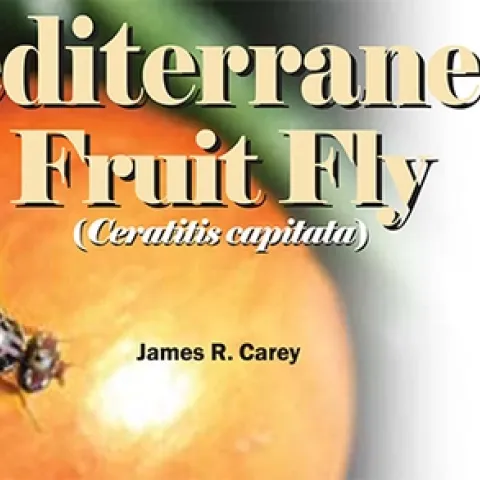
UC Davis distinguished professor James R. Carey has written numerous research articles on the Mediterranean fruit fly.
Bug Squad: Article

Medfly Invasion Crisis in California: What Should Be Done?

May 31, 2024
By Kathy Keatley Garvey
During the initial throes of the Mediterranean fruit fly invasion in California, protesters disagreeing with the California Department of Food and Agriculture's eradication procedures and policies used to sing the catchy tune, "There Ain't No Bugs on Me," the work of Jerry Garcia and David Grisman.
View Article
Primary Image
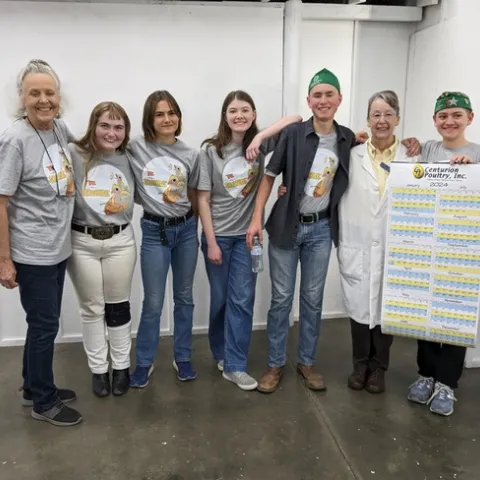
2 adults stand with 5 youth holding a large calendar poster
California 4-H Grown: Article

Ventura County 4-H'ers Take Avian Bowl State Title

May 31, 2024
By Erica A Pettey
The 2024 Avian Bowl 4-H State Qualifier Contest was held during the Greater Society of Poultry Fanciers' Show at the Fresno Fairgrounds on Saturday, February 24, 2024. The 2024 Avian Bowl State Champion Team is led by Zuzu H., Ean R., Samuel B., and Melanie S. from Ventura County 4-H.
View Article
Primary Image
Warm summer evenings in Fresno are perfect for backyard barbecues. (Photo: Pixabay)
Fresno Gardening Green: Article

This week in the garden: May 31 - June 6

May 31, 2024
Enjoy the balmy early summer evenings with a poolside barbecue, homemade ice cream or outdoor dining. Tasks Be sure your watering schedule conforms to new guidelines. Check sprinkler timer settings at least once a month. Water citrus being careful not to overwater.
View Article