A Natural Solution for California's Herds: African Catfish Peptides

California's cattle producers and agricultural communities are all too familiar with the rising challenge of antibiotic resistance, making common bacterial infections harder to treat in livestock. But imagine a future where we could tackle these infections with a natural, powerful alternative. Our research points to just that: antimicrobial peptides (AMPs) found in African catfish.

We're really excited about these peptides because African catfish thrive in pathogen-rich freshwater, naturally producing these robust immune compounds in their skin mucus as a defense. This natural origin makes them highly appealing alternatives to synthetic drugs.

Predicted Safety and Potent Action

One of the most compelling aspects of these AMPs is their predicted safety for mammals. Our initial computer analyses suggest that various catfish AMPs are generally recognized as safe (GRAS). We predict they'll be absorbed in the human intestine without causing liver, brain, or heart toxicity. Furthermore, lab tests on a promising peptide, NACAP-II, confirmed it was non-hemolytic, meaning it didn't damage rabbit red blood cells—a strong indicator of its potential safety for mammalian cells.

Beyond safety, these peptides demonstrate effectiveness against problematic bacteria. One study revealed NACAP-II's strong activity against Extended-Spectrum Beta-Lactamase (ESBL)-producing Escherichia coli—a critical concern for both animal and human health due to its resistance to many common antibiotics. Another peptide, ACAP-IV, also showed antibacterial activity against E. coli and Staphylococcus aureus. We believe these AMPs work by directly disrupting bacterial cell membranes, a mechanism that makes it harder for bacteria to develop resistance compared to how they resist traditional antibiotics.
Primary Image
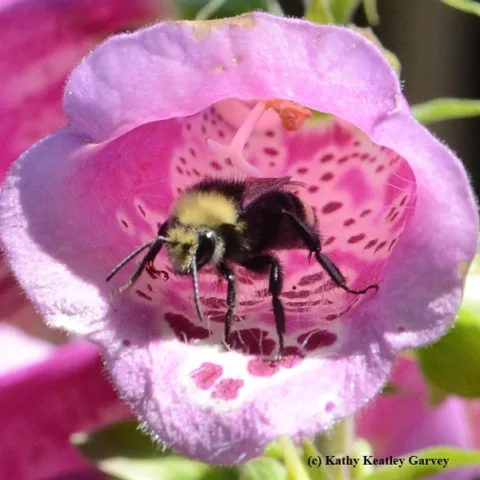
The yellow-faced bumble bee, Bombus vosnesenskii, emerging from a foxglove in Vacaville, Calif. (Photo by Kathy Keatley Garvey)

Celebrating Bumble Bees on World Bee Day

May 20, 2024
By Kathy Keatley Garvey
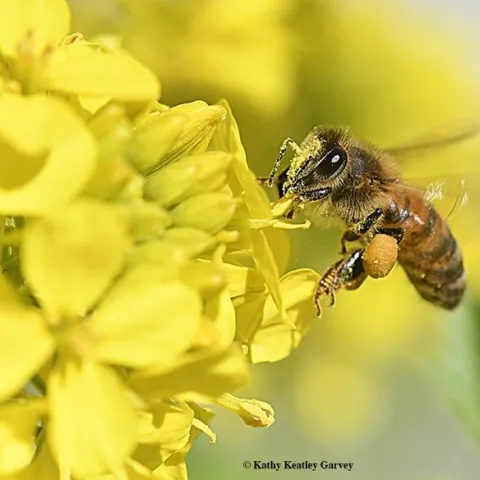
It's World Bee Day and there's no better time than to showcase bumble bees, Bombus. The United Nations designated May 20 as World Bee Day to raise awareness of the importance of pollinators, the threats they face and their contribution to sustainable development, according to its website.
View Article
Primary Image
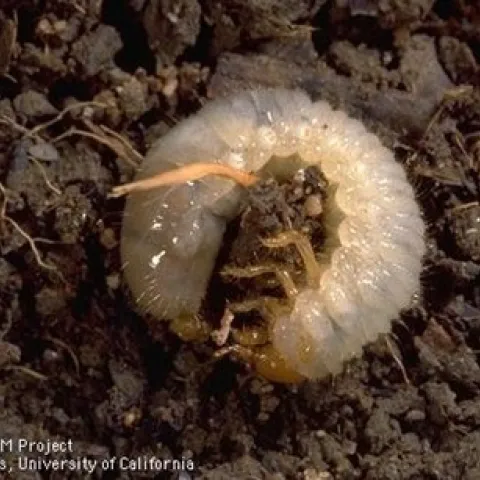
Photo of a Masked Chafer Grub
HOrT COCO-UC Master Gardener Program of Contra Costa: Article

What To Do About White Grubs in Your Vegetable Beds

May 20, 2024
By Help Desk Team
It's Spring, and many gardeners are turning with anticipation to their vegetable gardening beds and thinking about summertime harvesting and feasting. If you're one of them, you may find an unexpected surprise of white grubs just below the surface when you start to prepare your soil for planting.
View Article
The Backyard Gardener: Article

Garden Rotation Rules of Thumb

May 18, 2024
By Dustin W Blakey
Vegetable gardening is both an art and a science, and an important technique for success is crop rotation. By rotating crops, you can improve soil health, reduce pests, and increase yields. Continuous planting of the same kind of plant in the same place every year is a recipe for creating problems.
View Article
Primary Image
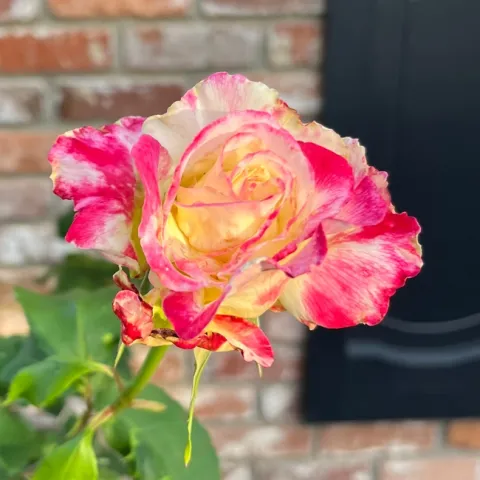
We can complain that roses have thorns or rejoice that thorn bushes have roses. ~ Abraham Lincoln (Photo:Amy Tobin)
Fresno Gardening Green: Article

This week in the garden: May 17 - 23

May 18, 2024
Tasks Avoid cutting lawns too severely because the resulting stress causes yellowing. Water citrus being careful not to over water. Continuously wet soil in the upper few inches risks root rot. Hand pick hoplia beetles from white and yellow rose blossoms. Pruning Remove spent blooms.
View Article
San Joaquin 4-H News: Article

State Field Day Update

May 17, 2024
By Angela Tipsey
Message from the State 4-H Office: State Field Day 2024 is moving from our usual home to the School of Veterinary Medicine. There are student protest demonstrations taking place on the Quad next to Wellman Hall (our usual home), and counterprotests have begun.
View Article
Primary Image
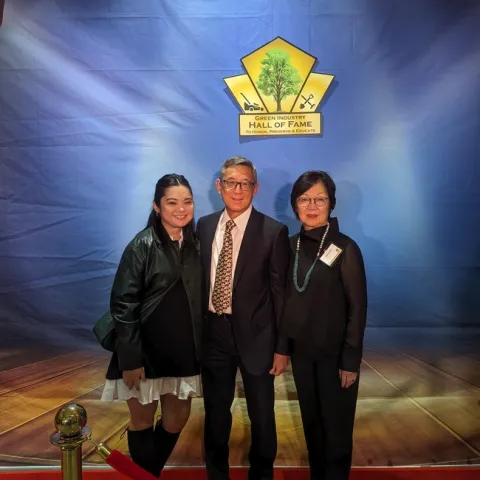
A family with a wife and husband with their daughter.
ANR Employee News: Article

Green Hall of Famer Oki retires after 29-year UC career

May 17, 2024
By Saoimanu Sope
When interviewed to become a University of California Cooperative Extension specialist in environmental horticulture, Lorence Loren Oki was asked what kind of research he wanted to conduct. In response, he showed the hiring committee a photo of a residential gutter.
View Article