A Natural Solution for California's Herds: African Catfish Peptides

California's cattle producers and agricultural communities are all too familiar with the rising challenge of antibiotic resistance, making common bacterial infections harder to treat in livestock. But imagine a future where we could tackle these infections with a natural, powerful alternative. Our research points to just that: antimicrobial peptides (AMPs) found in African catfish.

We're really excited about these peptides because African catfish thrive in pathogen-rich freshwater, naturally producing these robust immune compounds in their skin mucus as a defense. This natural origin makes them highly appealing alternatives to synthetic drugs.

Predicted Safety and Potent Action

One of the most compelling aspects of these AMPs is their predicted safety for mammals. Our initial computer analyses suggest that various catfish AMPs are generally recognized as safe (GRAS). We predict they'll be absorbed in the human intestine without causing liver, brain, or heart toxicity. Furthermore, lab tests on a promising peptide, NACAP-II, confirmed it was non-hemolytic, meaning it didn't damage rabbit red blood cells—a strong indicator of its potential safety for mammalian cells.

Beyond safety, these peptides demonstrate effectiveness against problematic bacteria. One study revealed NACAP-II's strong activity against Extended-Spectrum Beta-Lactamase (ESBL)-producing Escherichia coli—a critical concern for both animal and human health due to its resistance to many common antibiotics. Another peptide, ACAP-IV, also showed antibacterial activity against E. coli and Staphylococcus aureus. We believe these AMPs work by directly disrupting bacterial cell membranes, a mechanism that makes it harder for bacteria to develop resistance compared to how they resist traditional antibiotics.
Primary Image
photos by Heather Hamilton
Under the Solano Sun: Article

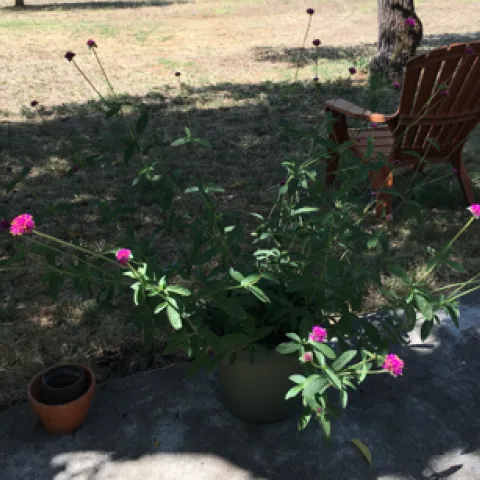
Gomphrena

April 30, 2024
Gomphrena is a super fun addition to the garden. It is in the Amaranthaceae family and is commonly know as globe amaranth. It comes in pink, purple, orange, red and white. It is native to Central and South America.
View Article
Primary Image
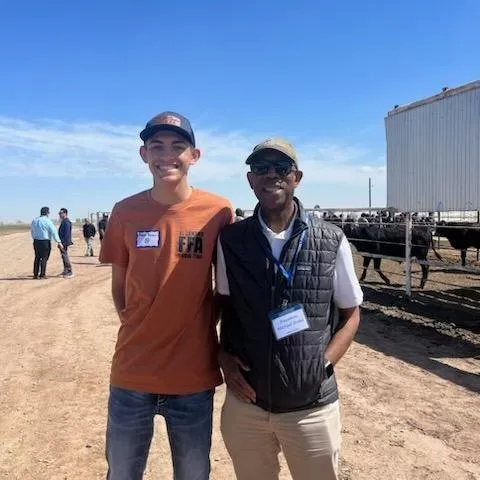
Young man stands next to President Drake with cows in the background.
ANR Employee News: Article

Governing Council, PAC tour Desert REC, Salton Sea

April 29, 2024
By Pamela S Kan-Rice
Vice President Glenda Humiston and UC ANR employees gave UC President Michael Drake, the UC ANR Governing Council and the President's Advisory Commission members a tour of the Salton Sea area and Desert Research and Extension Center in Holtville on April 25 and 26.
View Article
Primary Image
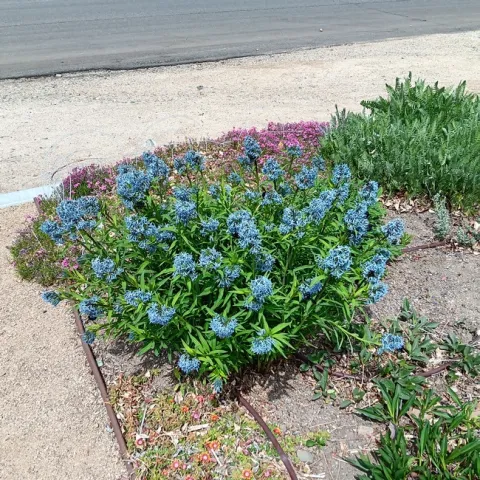
Amsonia Blue Ice in Bishop.
The Backyard Gardener: Article

Amsonia: A Favorite with Pollinators

April 29, 2024
Amsonia, a plant native to the Northeastern USA, seems to be little known in the West. They are commonly known as bluestars on account of the shape and color of their flowers.
View Article
Kern County: Article

Dispatches from the Orchard-April 2024

April 29, 2024
Silverleaf Nightshade in Young Pistachio Orchards General Irrigation Tips for Young Pistachios Carbohydrates, dormancy, and yield in pistachios Early season leaf sampling can help you stay on your fertilization target Upcoming meetings Young Orchard Irrigation and Nutrient Management Workshop; June...
View Article
Primary Image
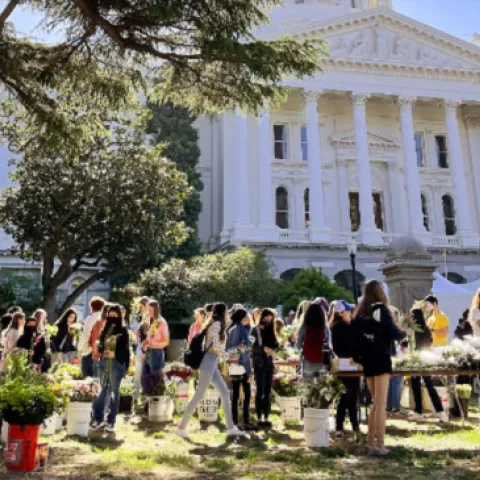
Large group of people in from of the CA state capital.
Coordinator News: Article

Connecting UC Master Gardener’s to Elected Officials

April 29, 2024
By Barbra Braaten
UC Master Gardener volunteers play a crucial role in community gardening education, food donations and other activities. This important statewide program also hosts community education fairs and offers seedling sales to local residents.
View Article
Primary Image
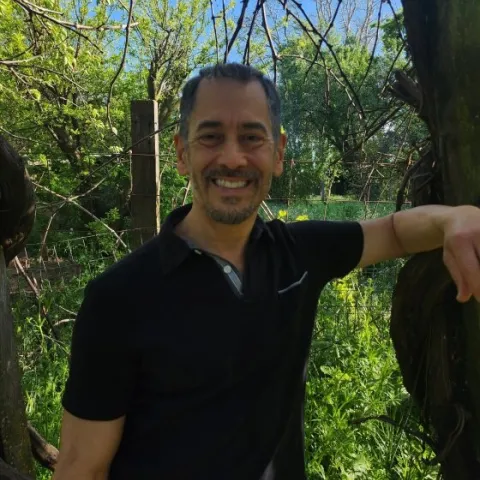
Phillip Fujiyoshi
ANR Employee News: Article

Names in the News

April 29, 2024
By Pamela S Kan-Rice
Fujiyoshi joins Capitol Corridor small farms team Phillip Fujiyoshi joined UCANR on April 3 as a UCCE small farms extension and research associate in the Capitol Corridor.
View Article
Primary Image
two interconnecting trees that help to form the words equity, diversity, and inclusion as intertwined roots.
Together@Work: Article

Award Opportunity & Feedback Request

April 29, 2024
By Elizabeth A Moon
I love this time of year. The weather is the perfect blend of cold and warm and the gardens are abundant with flowers and possibilities. It is also a time of many celebrations.
View Article