A Natural Solution for California's Herds: African Catfish Peptides

California's cattle producers and agricultural communities are all too familiar with the rising challenge of antibiotic resistance, making common bacterial infections harder to treat in livestock. But imagine a future where we could tackle these infections with a natural, powerful alternative. Our research points to just that: antimicrobial peptides (AMPs) found in African catfish.

We're really excited about these peptides because African catfish thrive in pathogen-rich freshwater, naturally producing these robust immune compounds in their skin mucus as a defense. This natural origin makes them highly appealing alternatives to synthetic drugs.

Predicted Safety and Potent Action

One of the most compelling aspects of these AMPs is their predicted safety for mammals. Our initial computer analyses suggest that various catfish AMPs are generally recognized as safe (GRAS). We predict they'll be absorbed in the human intestine without causing liver, brain, or heart toxicity. Furthermore, lab tests on a promising peptide, NACAP-II, confirmed it was non-hemolytic, meaning it didn't damage rabbit red blood cells—a strong indicator of its potential safety for mammalian cells.

Beyond safety, these peptides demonstrate effectiveness against problematic bacteria. One study revealed NACAP-II's strong activity against Extended-Spectrum Beta-Lactamase (ESBL)-producing Escherichia coli—a critical concern for both animal and human health due to its resistance to many common antibiotics. Another peptide, ACAP-IV, also showed antibacterial activity against E. coli and Staphylococcus aureus. We believe these AMPs work by directly disrupting bacterial cell membranes, a mechanism that makes it harder for bacteria to develop resistance compared to how they resist traditional antibiotics.
Primary Image
IMG 0014
Climate Smart Agriculture: Article

Spotlight on SWEEP - NAPA Farms, LLC

April 26, 2024
By Caddie Bergren
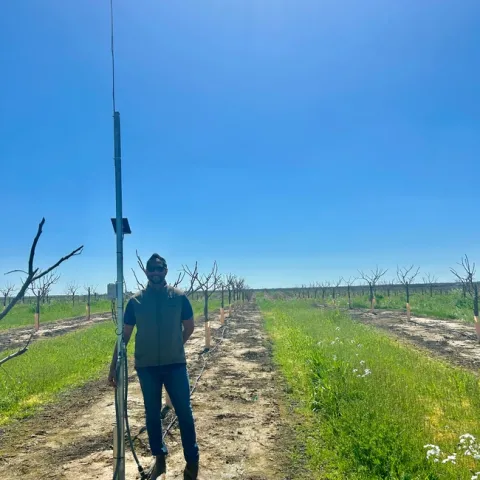
In 2021, Nav Athwal, of NAPA Farms, LLC received funding through the CDFA Statewide Water Efficiency and Enhancement Program (SWEEP). He has 140 acres of young pistachio trees in Merced County, and wanted to build an irrigation system as efficiently as possible.
View Article
Primary Image
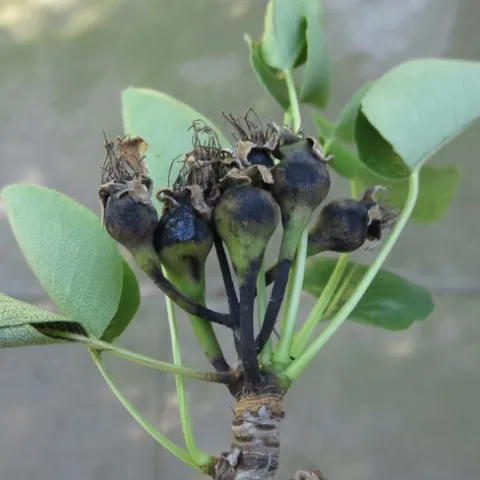
Fire blight inhibits fruit development on pear. Jeanette Alosi
The Real Dirt: Article

It’s Fire Blight Season!

April 26, 2024
If you are noticing droopy, dried-out flower clusters on your pears, Asian pears, quince, apples or crabapples, fire blight may be the cause. Fire blight is caused by a bacterium and is a common and frequently destructive disease that shows up in April and May.
View Article
Shasta County: Article

2024 May Tips 'N Topics

April 25, 2024
In this issue: County Ambassador Application deadline Nominations for Council positions Foothill 4-H Baking/Garden Project Report Fuzzy Goat Show Inter-Mountain Favorite Foods Day Results 4-H Thriving Model State Field Day Registration is OPEN ! Inter-Mountain Home Ec & Ag Stills Results Flag Instal...
View Article
UCCE in Santa Barbara County: Article

May Garden Talk

April 25, 2024
Free Monthly Zoom Garden Talk What: Barn Owls & Integrated Pest Management When: Monday, May 6, 2024, 7:00 pm - 8:00 pm Master Gardener Dave McDonald will give a research based presentation on Barn Owls & Integrated Pest Management.
View Article
Primary Image
Rose Garden Corral - May 2024
Spill the Beans: Article

Rose Garden Corral - May 2024

April 25, 2024
In the Master Gardener's Rose Cycle, May is when we fertilize with organic products, start deadheading and check our irritation systems. Last year we had a section of irrigation tubing that was chewed through by rodents in the garden.
View Article