A Natural Solution for California's Herds: African Catfish Peptides

California's cattle producers and agricultural communities are all too familiar with the rising challenge of antibiotic resistance, making common bacterial infections harder to treat in livestock. But imagine a future where we could tackle these infections with a natural, powerful alternative. Our research points to just that: antimicrobial peptides (AMPs) found in African catfish.

We're really excited about these peptides because African catfish thrive in pathogen-rich freshwater, naturally producing these robust immune compounds in their skin mucus as a defense. This natural origin makes them highly appealing alternatives to synthetic drugs.

Predicted Safety and Potent Action

One of the most compelling aspects of these AMPs is their predicted safety for mammals. Our initial computer analyses suggest that various catfish AMPs are generally recognized as safe (GRAS). We predict they'll be absorbed in the human intestine without causing liver, brain, or heart toxicity. Furthermore, lab tests on a promising peptide, NACAP-II, confirmed it was non-hemolytic, meaning it didn't damage rabbit red blood cells—a strong indicator of its potential safety for mammalian cells.

Beyond safety, these peptides demonstrate effectiveness against problematic bacteria. One study revealed NACAP-II's strong activity against Extended-Spectrum Beta-Lactamase (ESBL)-producing Escherichia coli—a critical concern for both animal and human health due to its resistance to many common antibiotics. Another peptide, ACAP-IV, also showed antibacterial activity against E. coli and Staphylococcus aureus. We believe these AMPs work by directly disrupting bacterial cell membranes, a mechanism that makes it harder for bacteria to develop resistance compared to how they resist traditional antibiotics.

Primary Image
Rice (photo credit: Brad Hooker)
UC Weed Science (weed control, management, ecology, and minutia): Article

New herbicides bring additional tools to California rice weed management in 2024

April 25, 2024
By Whitney B Brim-Deforest
This year brings several new chemical tools to California rice. With many herbicide-resistant species as well as emerging problematic weed species, the new chemistries are a welcome tool for managing resistance and preventing the selection of resistant biotypes.
View Article
Primary Image
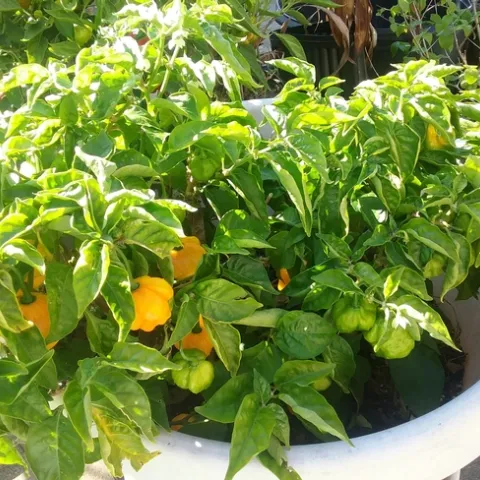
Scotch Bonnet OG photos by Nanelle Jones-Sullivan
Under the Solano Sun: Article

Scotch Bonnet Jean

April 25, 2024
When I first married into my husband's family, I was new to the Capsicum chinense family, but I thought I knew to what Scotch Bonnet was. A Yank, in a family ofyardies. For years I would buy Scotch Bonnet plants, and for years, brother-in-law would say no.
View Article
Primary Image
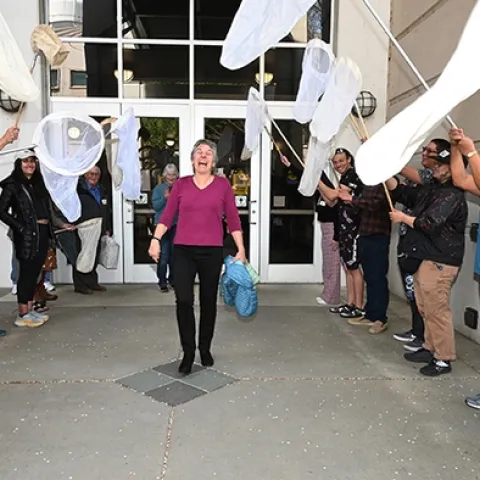
UC Davis distinguished professor emerita Lynn Kimsey walks under the archway of a 21-insect net salute. (Photo by Kathy Keatley Garvey)
Bug Squad: Article

An Incredible Salute to Entomologist Lynn Kimsey

April 25, 2024
By Kathy Keatley Garvey
When a noted entomologist retires, what do you do? Give them a 21-insect net salute. That's what occurred at a recent retirement celebration honoring the legacy of UC Davis distinguished professor emerita Lynn Kimsey, director of the Bohart Museum of Entomology for 34 years.
View Article
Kern County: Article

Vit Tips - San Joaquin Valley Viticulture Newsletter

April 24, 2024
In This Issue Effect of Variety, Cordon Height, and Irrigation on Mechanical Pruned Vineyard in Southern SJV Tackle Summer Bunch Rot and Sour Rot Now Table Grapes Needs Assessment Summary Impacts of Rootstocks on Performance and Fruit Quality of Mature 'Autumn King' Vines Trialing Nematode Resistant...
View Article
Primary Image
Flyer by Sonam
The Stanislaus Sprout: Article

Gardening with Succulents Workshop - May 4, 2024 Space Available

April 24, 2024
By Anne E Schellman
When: Saturday, May 4, 2024 from 9:30 a.m. -12:00 pm Cost: $30 Location: emailed to participants. Instructors: UC Cooperative Extension Stanislaus County Master Gardeners Roxanne Campbell, Rho Yare, and Sandy Mann. Sign Up: Space is limited, register by paying online at https://ucanr.
View Article
UC Rice Blog: Article

Don't Forget About the Bugs!

April 24, 2024
By Consuelo B Baez Vega
Arthropods have not been very problematic in California in the past few years. However, do not let your guard down and let the bugs catch you unprepared. The tadpole shrimp is our key pest.
View Article
Primary Image
Robert Peck, an entomologist with the University of Hawaii won first prize in the PBESA Photo Salon competition with this image of a damselfly. (Copyright, Robert Peck)
Bug Squad: Article

Winning PBESA Images: A Damselfly, a Blowfly and a Monarch

April 23, 2024
By Kathy Keatley Garvey
An image of a damselfly photographed in Hawaii, and images of a blowfly and a monarch photographed in California won the Photo Salon recently hosted by the Pacific Branch, Entomological Society of America (PBESA) Photo Salon coordinator Joshua Milnes, an entomologist with the Plant Protection Divisi...
View Article