A Natural Solution for California's Herds: African Catfish Peptides

California's cattle producers and agricultural communities are all too familiar with the rising challenge of antibiotic resistance, making common bacterial infections harder to treat in livestock. But imagine a future where we could tackle these infections with a natural, powerful alternative. Our research points to just that: antimicrobial peptides (AMPs) found in African catfish.

We're really excited about these peptides because African catfish thrive in pathogen-rich freshwater, naturally producing these robust immune compounds in their skin mucus as a defense. This natural origin makes them highly appealing alternatives to synthetic drugs.

Predicted Safety and Potent Action

One of the most compelling aspects of these AMPs is their predicted safety for mammals. Our initial computer analyses suggest that various catfish AMPs are generally recognized as safe (GRAS). We predict they'll be absorbed in the human intestine without causing liver, brain, or heart toxicity. Furthermore, lab tests on a promising peptide, NACAP-II, confirmed it was non-hemolytic, meaning it didn't damage rabbit red blood cells—a strong indicator of its potential safety for mammalian cells.

Beyond safety, these peptides demonstrate effectiveness against problematic bacteria. One study revealed NACAP-II's strong activity against Extended-Spectrum Beta-Lactamase (ESBL)-producing Escherichia coli—a critical concern for both animal and human health due to its resistance to many common antibiotics. Another peptide, ACAP-IV, also showed antibacterial activity against E. coli and Staphylococcus aureus. We believe these AMPs work by directly disrupting bacterial cell membranes, a mechanism that makes it harder for bacteria to develop resistance compared to how they resist traditional antibiotics.
Primary Image
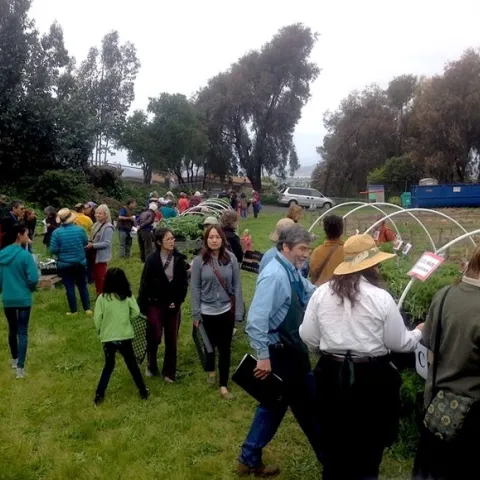
Clients of the first West County GTPS, held in 2014 at the former Adams Middle School site in Richmond, CA, choose plants. Photo by Liz Rottger.
UC Master Gardener Program of Contra Costa County: Article

The Tomato Sale That Grew

March 18, 2024
By Liz Rottger When did UC Master Gardeners of Contra Costa hold its first tomato sale? That depends on how you define first. In 2010, CoCoMGs took over a small, neglected vegetable garden next to the Contra Costa Times building on Shadelands in Walnut Creek.
View Article
Primary Image
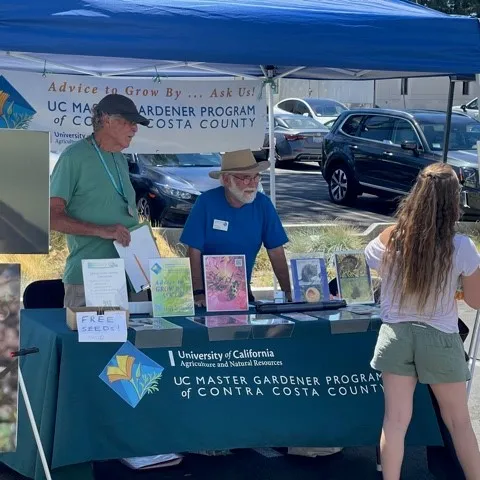
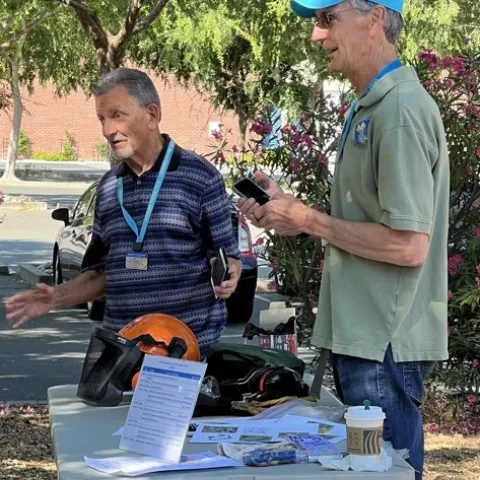
Photo by UC Master Gardener. CoCoMGs John Fike and Bill Miller volunteer at a local Farmers market.
UC Master Gardener Program of Contra Costa County: Article

The Return of AAMG!

March 18, 2024
By Laura Brainin-Rodriguez We have an exciting Ask a Master Gardener season coming up! AAMG is unique in that we reach Contra Costa County residents as they go about their lives at Farmers Markets, Our Garden, and single-day events throughout the county. Our usual season runs from April to October.
View Article
Primary Image
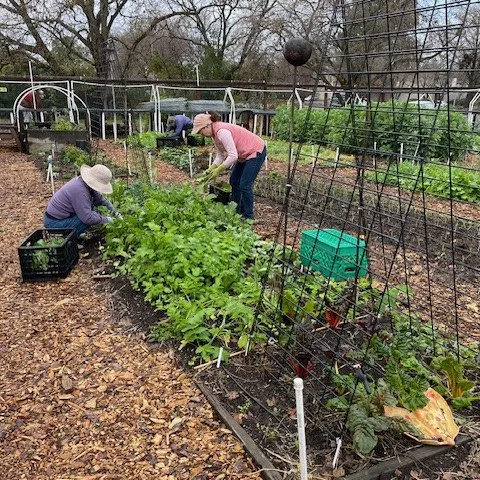
CoCoMGs Betty Yee and Suzanne Miller work in the Family Garden Bed at Our Garden. Photo by Jan Manns.
UC Master Gardener Program of Contra Costa County: Article

Family Garden Bed…The Story

March 18, 2024
By Jan Manns The Family Garden Bed at Our Garden Walnut Creek was initiated six years ago when UC Master Gardeners Monika Witte and Janet Miller proposed dedicating one of the 30 garden plots as a tangible example of what a family can accomplish in their own backyard. The idea mushroomed.
View Article
Primary Image
fungi-1
UC Master Gardener Program of Contra Costa County: Article

Help Desk Solves Fungi Mystery

March 18, 2024
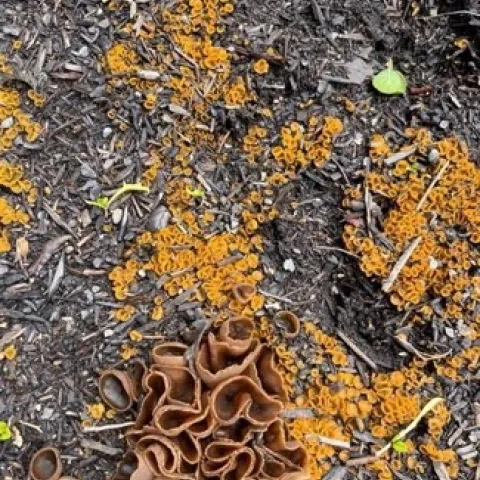
By Sara Hoyer The Help Desk recently received the following questions from a local gardener about mystery mushrooms in their gardens.
View Article
Primary Image
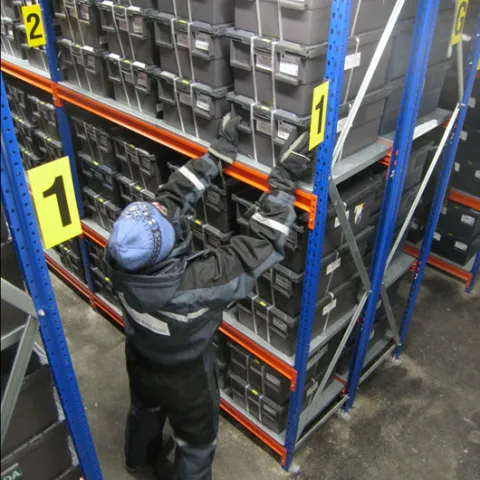
The Svalbard Global Seed Vault in Norway.
UC Master Gardener Program of Contra Costa County: Article

Seed Viability for Seed Savers

March 18, 2024
By Simone Adair The Svalbard Global Seed Vault in Norway is the backup insurance policy for all the seed banks worldwide, said its founder, Cary Fowler. The Vault, which stores 500 million seeds, is naturally three to four degrees below zero Fahrenheit.
View Article
Primary Image
Seeds-1
UC Master Gardener Program of Contra Costa County: Article

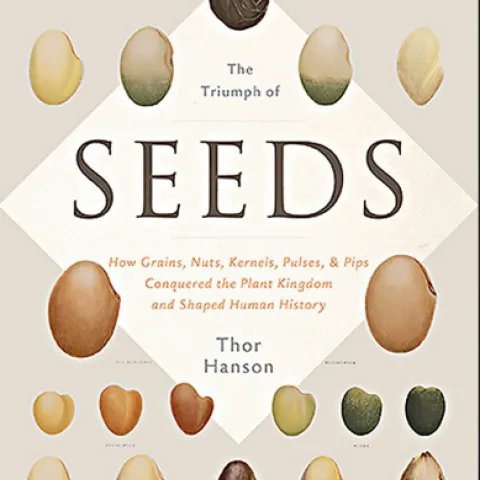
The Triumph of Seeds: A Book Review

March 18, 2024
By Liz Rottger Think of the fierce energy concentrated in an acorn! You bury it in the ground, and it explodes into a giant oak! Bury a sheep, and nothing happens but decay.
View Article
Primary Image
Conference-1
UC Master Gardener Program of Contra Costa County: Article

2024 UC Master Gardener Conference Great Success

March 18, 2024
By Dawn Kooyumjian and David George UC Master Gardeners from around the state converged on the Lake Tahoe region last October for the triennial 2023 UC Master Gardener Program conference. The conference occurred Oct. 2 6 at the Granlibakken Tahoe resort in sparkling Tahoe City, California.
View Article
UC Master Gardener Program of Contra Costa County: Article

Invasive Fly Quarantine In Our Area

March 18, 2024
By Paige Shewmaker On behalf of the California Department of Food and Agriculture, I am providing you with some informational resources for residents regarding an invasive fruit fly quarantine in your area.
View Article